From the misty mountains of Zhejiang to tea shops across Africa and Europe, China green tea continues to inspire connection, wellness, and trade. Among the many varieties, Gunpowder Tea and Chunmee Tea stand out for their rich history, unique flavor, and high export demand. For tea importers, wholesalers, and distributors, understanding their differences can help tailor the perfect selection for each market.
The Elegance of Chunmee Tea
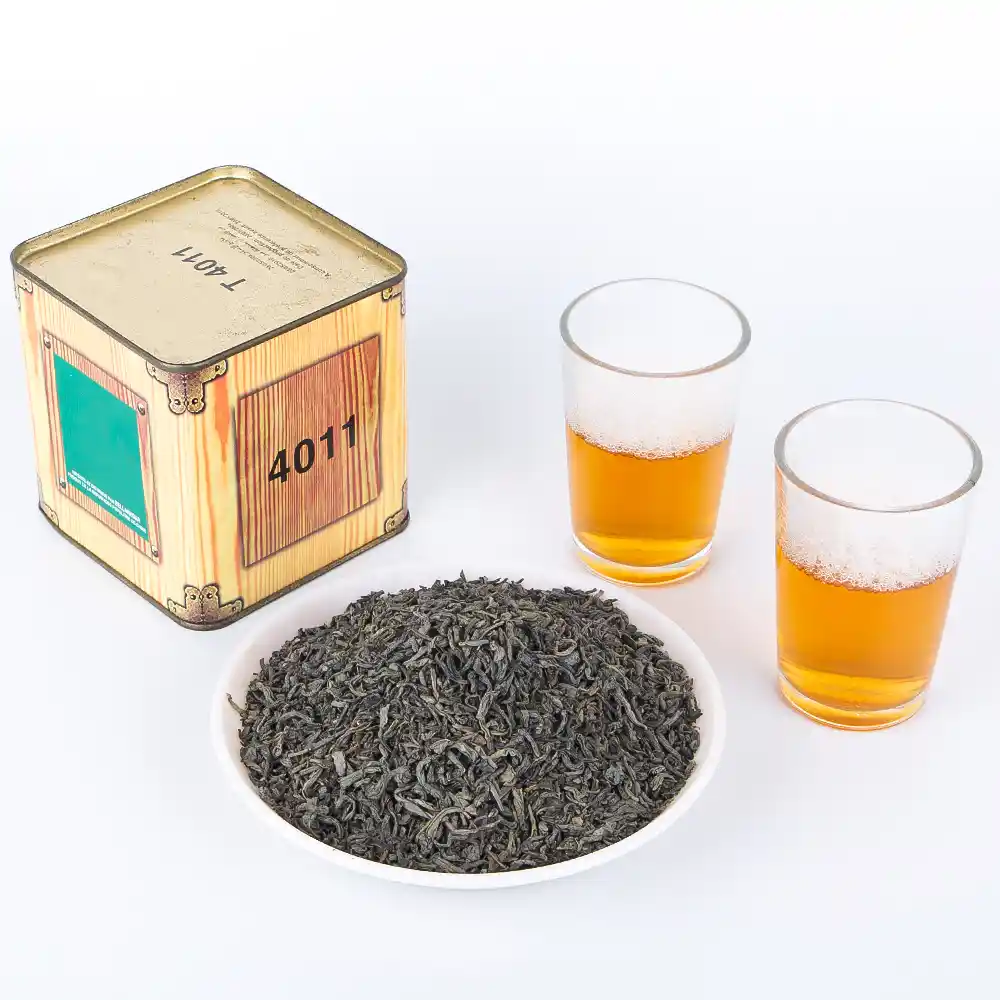
Chunmee Tea—literally “Precious Eyebrow Tea” for its gracefully curved leaf shape—offers a softer, more refined flavor. In export trade, Chunmee tea is known for its:
- Strip‑shaped leaves, neatly rolled
- Slightly grey‑green or yellow‑green dry appearance
- Clear, bright liquor in the cup
- Slightly smoky aroma

(For more information about chunmee tea, you can check this article ” What Is Chunmee Tea? “)
What Makes Gunpowder Tea Unique
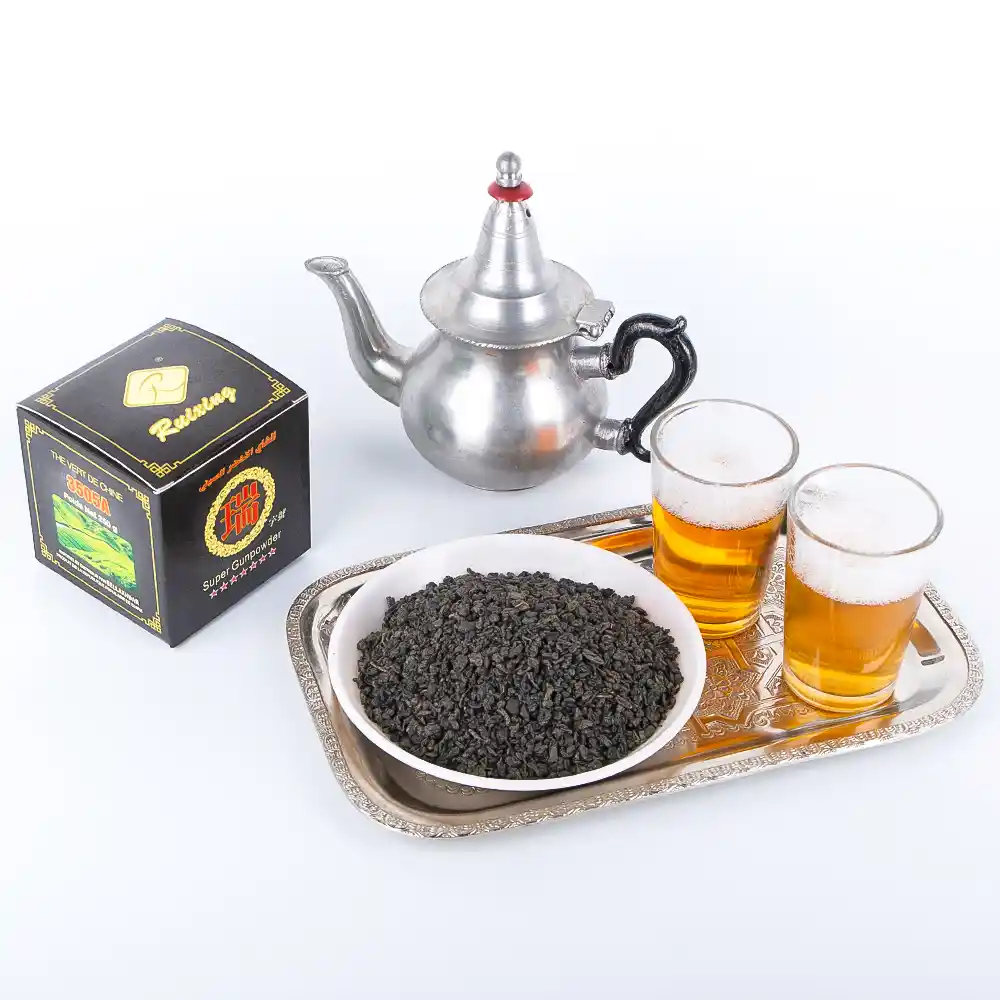
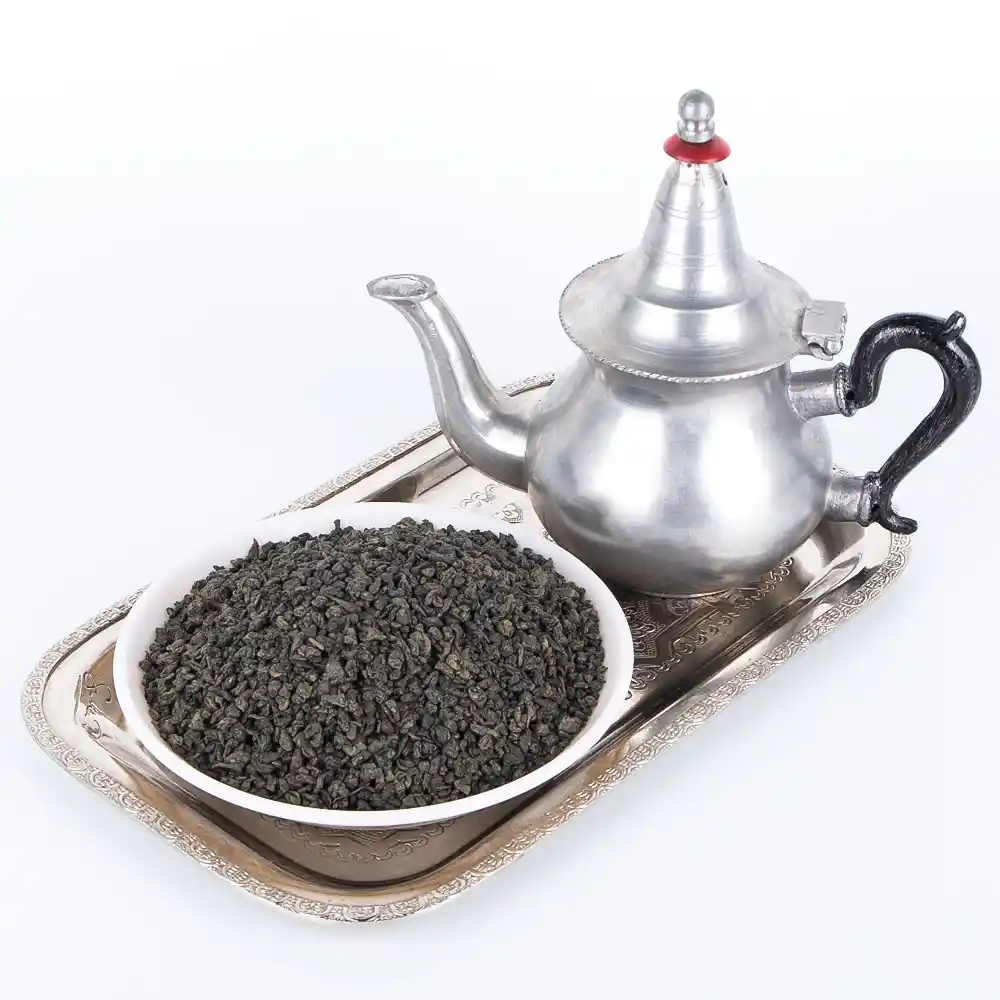
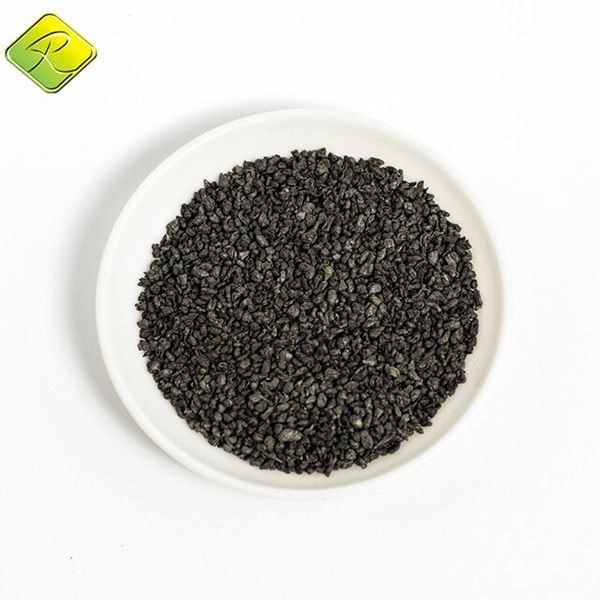
Gunpowder Tea, known in Chinese as Zhu Cha (珠茶), gets its name from its tightly rolled appearance, resembling tiny pellets of gunpowder. This tea is traditionally produced in Zhejiang Province, where producers have perfected the art of pan-firing leaves to preserve freshness and flavor. Commercially, Gunpowder is recognized for:
- Round, bead‑like pellets with a tight roll
- Higher density and heavier feel compared with Chunmee
- Stronger, fuller taste in the cup
- Good stability during long storage and transport
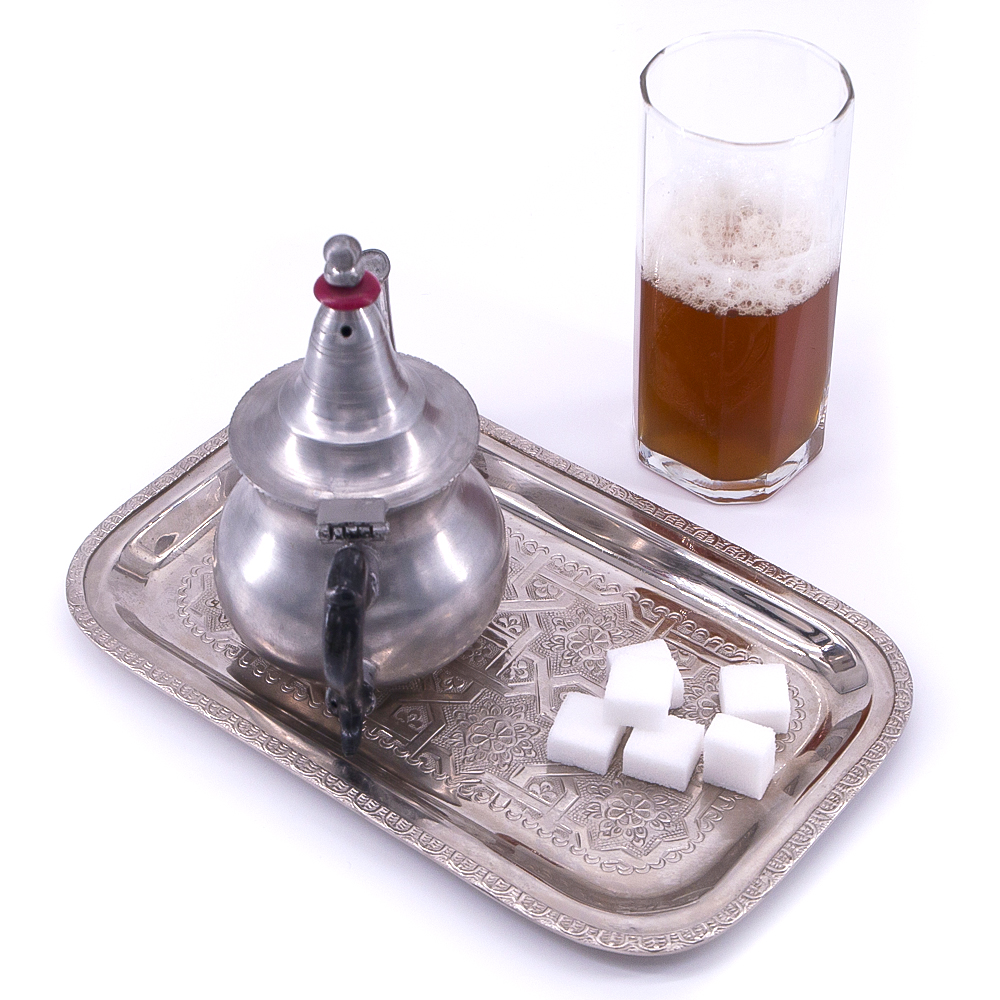
Gunpowder tea is especially popular in markets that prepare traditional mint tea with sugar, such as Morocco and surrounding regions, and it is also used in Europe for blends and tea boxes. For green tea importers, Gunpowder Tea’s distinct appearance and versatility make it easy to market across both traditional and modern tea cultures.

(For more information about gunpowder tea, you can check this article “What Is Gunpowder Tea 3505?” “What is Gunpowder tea? “)
Taste and Brewing Differences
Both types share a common origin—centuries-old tea-making traditions—but serve different market needs:
- Chunmee tea
- Brisk, sharp, and lively
- Often slightly more astringent but refreshing
- Very suitable for daily drinking, tea bags, and lighter blends
- Tea soup is clearer
- Gunpowder tea
- Fuller body and stronger taste
- Can show a hint of smokiness depending on the grade
- Ideal as a base for Moroccan mint tea and other flavored or sweetened styles
- More resistant to brewing
- Feel more filling after drinking.
For importers and distributors, offering both allows flexibility to meet diverse consumer tastes across regions.
Market Preferences in Africa
In North Africa and West Africa, both Chunmee tea and Gunpowder tea have strong positions, but usage can be different from country to country.
- In North Africa such as Morocco, Algeria, Gunpowder tea is preferred for traditional mint tea recipes where sugar and fresh mint are added. The stronger Gunpowder base ensures the tea flavor is still clear after adding other ingredients.
- Chunmee tea is often used for daily plain drinking or for consumers who prefer a cleaner, sharper green tea without too much heaviness. Nowadays more and more importers prefer chunmee tea as their main goods.
Many wholesalers and brands keep both Chunmee tea and Gunpowder tea so they can serve different price levels and taste preferences in the same market.
Market Preferences in Europe
In Europe, Chunmee tea and Gunpowder tea also play important roles, but buyers usually face stricter requirements on documentation and compliance.
- Chunmee tea in Europe
- Used for tea boxes, loose packs, and ethnic channels
- Often positioned as traditional Chinese green tea with a clean, brisk profile
- European buyers focus more on residue limits, certificates, and retail‑ready packaging
- Gunpowder tea in Europe
- Popular for mint blends and flavored teas
- Used both in ethnic distribution and mainstream supermarkets
- Buyers look for stable pellet size, good cup color, and strong but clean flavor
For European importers, the choice between Chunmee tea and Gunpowder tea is often not “either‑or,” but how to balance their range and ensure all products meet local regulations. A reliable China green tea exporter should be able to support you with test reports, certifications, and flexible packing options.