Every morning in Morocco, millions of people begin their day the same way: pouring boiling water over tightly rolled green pellets that unfurl into fragrant, amber-green liquor. These pellets are Gunpowder tea, and they represent one of the most remarkable success stories in global tea trade. For importers, wholesalers, and tea brands looking to build a reliable green tea supply chain, understanding Gunpowder tea is not optional — it is essential.
Gunpowder tea accounts for approximately 18% of China’s total green tea exports, with annual export volumes stabilizing around 35,000 tonnes. Zhejiang Province, particularly the cities of Shaoxing and Shengzhou, produces over 78% of the world’s Gunpowder tea supply. In 2025, Shengzhou alone processed and exported roughly 70,000 tonnes of tea, generating approximately 1.3 billion RMB in export value. These numbers are not accidents — they reflect a deeply entrenched production ecosystem that has made Chinese Gunpowder tea the default choice for importers across Africa, the Middle East, Central Asia, and Europe.
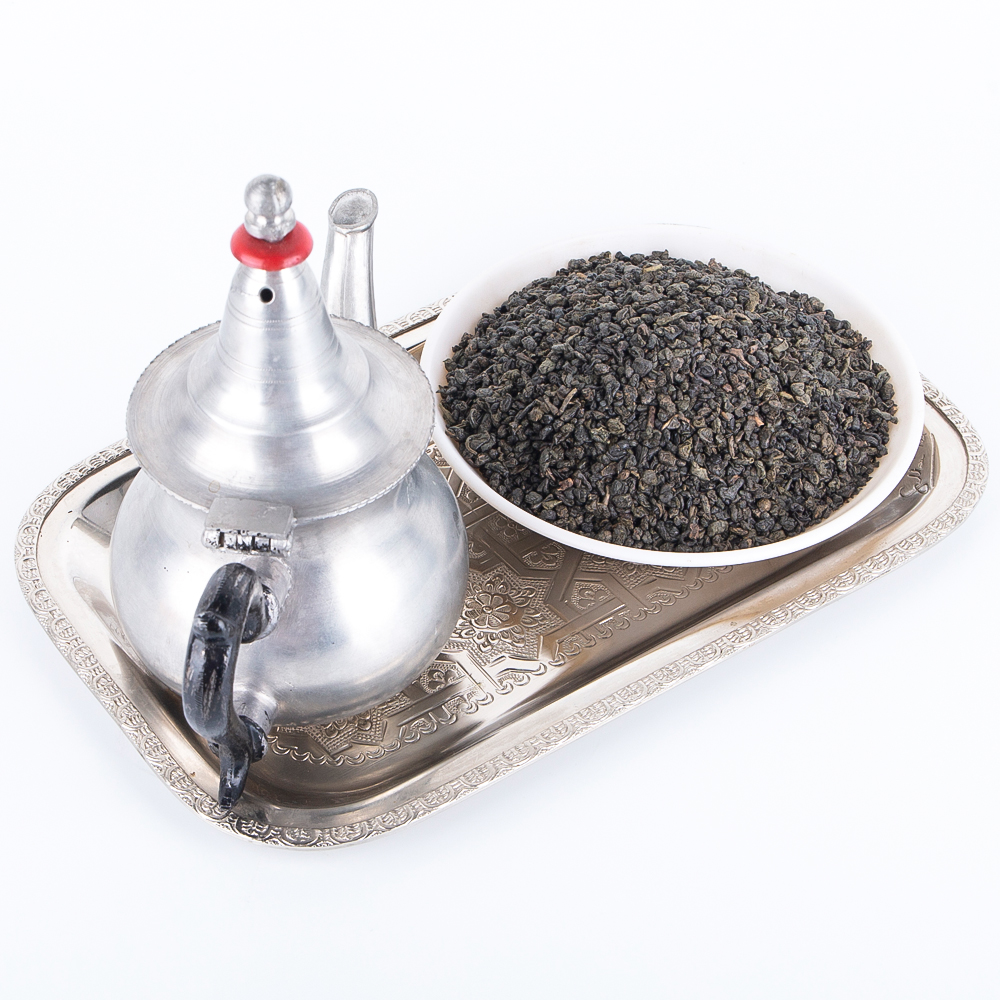
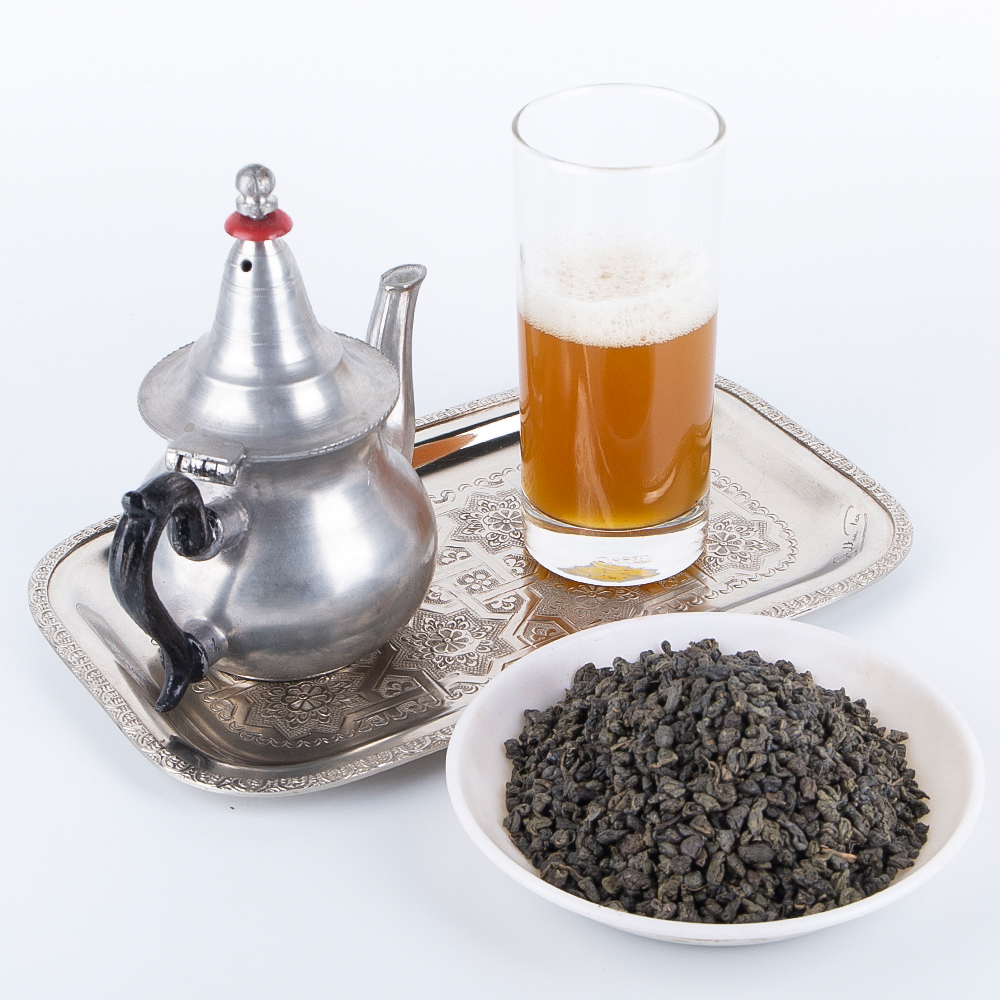
Gunpowder tea (珠茶, zhū chá, literally “pearl tea”) is a style of Chinese green tea characterized by its distinctive pellet shape. The name comes from the resemblance of the tightly rolled leaves to grains of gunpowder — a visual association that has stuck in Western markets since the 17th century, when Dutch and British traders first encountered the tea in Zhejiang’s ports.
The production process that creates this iconic shape is what sets Gunpowder tea apart from other green teas:
1. Withering — Freshly picked leaves (typically one bud and two or three leaves) are spread thin on bamboo trays to lose approximately 30% of their moisture content. This softens the leaf structure for rolling.
2. Fixation (Sha Qing / 杀青) — The withered leaves are pan-fired at 280-320°C in large rotating drums for 2-3 minutes. This critical step deactivates the polyphenol oxidase enzymes, halting oxidation and preserving the green color and fresh character. The high heat also develops the tea’s signature smoky-sweet undertone.
3. Rolling — This is where the magic happens. Unlike other green teas that are rolled by hand or machine into twisted strips (Chunmee) or flattened (Longjing), Gunpowder tea leaves are fed into specialized rotating barrel rollers that tumble them continuously for 40-60 minutes. The friction and pressure shape each leaf into a tight, round pellet while squeezing essential oils to the surface, which creates the characteristic glossy sheen.
4. Drying — The rolled pellets are dried in stages, first at medium heat (80-100°C) to remove surface moisture, then at higher heat (110-120°C) to achieve a final moisture content of 5-6%. This multi-stage drying locks in the shape and develops the toasty aroma profile.
5. Grading and Sorting — The dried pellets pass through a series of vibrating sieves with progressively finer mesh sizes. This mechanical sorting separates leaves by pellet size, uniformity, and density, producing distinct commercial grades.
The result is a tea that, unlike more delicate green teas, can withstand long-distance shipping, extended storage, and repeated brewing — qualities that have made it the backbone of the global bulk green tea trade.
Gunpowder Tea Grades: Understanding the Numbers
For importers, the grading system is the most important thing to understand. Gunpowder tea grades follow a numeric system where the numbers indicate pellet size, shape quality, and overall appearance — not necessarily flavor superiority.
| Grade | Pellet Size | Characteristics | Primary Markets |
| 3505AAA | Smallest, tightest | Uniform tiny pellets, bright green, premium appearance | Europe, Africa Morocco, premium Middle East |
| 3505AA | Very small, tight | Slightly less uniform than AAA, still premium | Europe, Africa Morocco |
| 3505A | Small, tight | Standard premium grade, good luster | General export premium |
| 505 | Round, a little bigger, tight | Standard premium grade | Europe, Morocco, Algeria, Central Asia |
| 9501 | Medium-small | Well-rolled, balanced size, good value | Central Asia, Uzbekistan |
| 9375 | Medium-small | Well-rolled,with few tea stems | Morocco, Central Asia, Middle East |
| 9475 | Biggest tea head leaves | Central Asia, Uzbekistan |
| 9575 | Medium-large | Larger pellets | Central Asia, Uzbekistan |
| 9675 | Flat tea leaves with tea stems | West Africa, Central Asia, budget markets |

Key insight for importers: A smaller number (3505 series) indicates smaller, more uniform pellets — these command higher prices in markets where appearance matters (EU retail, Morocco, gift packaging). Larger numbers (9475, 9575) consumed a lot in Middle East and Central Asia markets. The “A” designation (A, AA, AAA) indicates increasing uniformity and visual quality within the same size category.
Health Benefits That Drive Consumer Demand
Gunpowder tea shares the full spectrum of health benefits associated with all high-quality green teas, but its production process gives it some unique advantages:
High Antioxidant Content: Gunpowder tea is rich in catechins, particularly epigallocatechin gallate (EGCG), which has been extensively studied for its anti-inflammatory, cardioprotective, and metabolic effects. The pan-firing process, because it applies heat rapidly and briefly, may preserve slightly higher catechin levels than steamed green teas according to some studies.
Metabolism and Weight Management: The combination of caffeine and catechins in Gunpowder tea has been shown to increase thermogenesis (the body’s rate of burning calories). A meta-analysis published in the *International Journal of Obesity* found that green tea catechins combined with caffeine produced a modest but statistically significant increase in energy expenditure and fat oxidation.
Digestive Health: The slight smokiness of Gunpowder tea, combined with its moderate astringency, makes it particularly popular as an after-meal beverage in North African and Middle Eastern cultures. The tannins can aid digestion by stimulating the production of digestive enzymes.
Cardiovascular Benefits: Regular green tea consumption is associated with reduced LDL cholesterol and improved arterial function. For markets where cardiovascular disease is a growing concern — including North Africa and the Middle East — this health positioning is a powerful marketing advantage.
Mental Alertness Without Jitters: With approximately 30-40mg of caffeine per cup (compared to 80-100mg in coffee), Gunpowder tea provides sustained mental clarity without the crash. The presence of L-theanine, an amino acid that promotes calm focus, moderates the stimulant effect.

How to Brew Gunpowder Tea Perfectly
The biggest mistake people make with Gunpowder tea is treating it like a delicate green tea. It is not delicate — it is robust, forgiving, and designed for multiple infusions.
Traditional Moroccan Method (for 3-4 servings):
1. Add 2 teaspoons (5-7g) of Gunpowder tea to a teapot
2. Pour in just enough boiling water (100°C) to cover the leaves — about 50ml
3. Swirl for 10 seconds, then discard this first water (this “washes” the tea and opens the pellets)
4. Add fresh boiling water (500ml), fresh mint leaves, and sugar to taste
5. Steep for 3-5 minutes
6. Pour from a height to create the signature foam (“crown”)
Standard Western Method:
1. Use 1 teaspoon (2-3g) per 200ml cup
2. Water temperature: 80-85°C (if using 100°C, reduce steep time to 2 minutes)
3. First infusion: 2-3 minutes
4. Second infusion: 3-4 minutes (the pellets will have fully opened)
5. Third infusion: 4-5 minutes
For Cold Brew:
1. Add 10g of Gunpowder tea to 1 liter of cold water
2. Refrigerate for 6-8 hours or overnight
3. Strain and serve — remarkably smooth with no bitterness
Global Market Landscape: Where Gunpowder Tea Flows
Understanding the demand geography of Gunpowder tea is crucial for importers planning their product portfolio:
Morocco: The World’s Largest Importer
Morocco imports approximately 60,000-90,000 tonnes of green tea annually, with the vast majority being Chinese Gunpowder tea of grades 3505. Tea is not just a beverage in Morocco — it is a cultural institution. Moroccan mint tea (*atay*) is served multiple times daily, in homes, shops, and during every social interaction. The market is price-sensitive but volume-stable, with demand that has proven remarkably resilient to economic fluctuations.
Other North and West African Markets:
– Algeria: Second-largest African importer, similar grade preferences to Morocco
– Mauritania: One of the highest per-capita tea consumption rates globally, three-round serving ceremony
European Union:
The EU market demands higher grades (3505 series) and increasingly requires certifications: organic (EU Organic), Rainforest Alliance, Fairtrade. Key importing countries include France, Belgium and Spain. EU buyers are less price-sensitive but more quality- and compliance-sensitive. The EU’s strict pesticide residue standards (testing for 480+ residues) mean that only professionally managed, export-oriented factories can reliably supply this market.
Central Asia:
Uzbekistan has emerged as a significant growth market, with direct rail connections from Yiwu facilitating efficient logistics. Central Asian consumers prefer medium-to-large grades (9501, 9475, 9575) and value tea size and color over delicate flavor profiles.
United States and Specialty Markets:
The US market for Gunpowder tea is small but growing, driven by specialty tea shops, wellness consumers, and Moroccan diaspora communities. This market demands organic certification, transparent sourcing stories, and smaller packaging formats (100g-500g retail units rather than bulk).
Why Source Gunpowder Tea Directly from Chinese Factories?
For importers, the traditional model of buying through intermediary traders adds cost layers that erode margins. Direct factory sourcing from Zhejiang’s core production zone offers several structural advantages:
Price Competitiveness: Factory-direct pricing typically saves 15-25% compared to multi-tiered trader networks. With average export prices ranging from $1.0-$5.0/kg for standard grades, every percentage point of margin matters at container-scale volumes.
Quality Consistency: When you buy from a single, well-managed factory, you get batch-to-batch consistency that intermediaries blending from multiple sources cannot guarantee. For brands building consumer trust, consistency is more valuable than the lowest possible price on any single shipment.
Traceability and Compliance: Direct relationships enable full supply chain transparency — critical for EU organic certification, corporate sustainability reporting, and emerging regulatory requirements like the EU Deforestation Regulation (EUDR). You can trace your tea to specific growing areas, harvest dates, and processing batches.
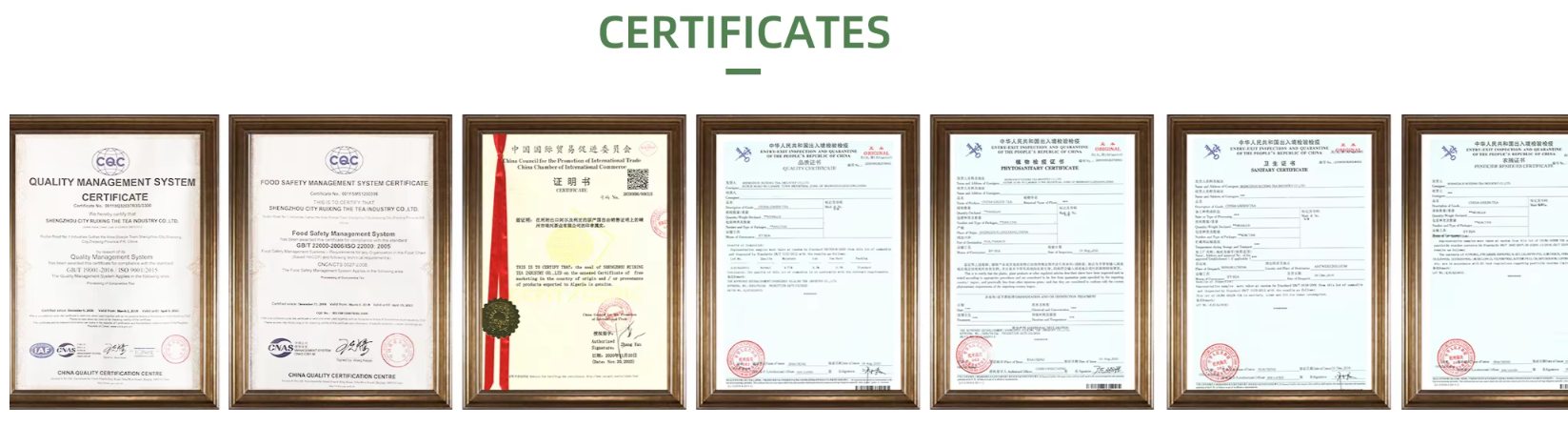
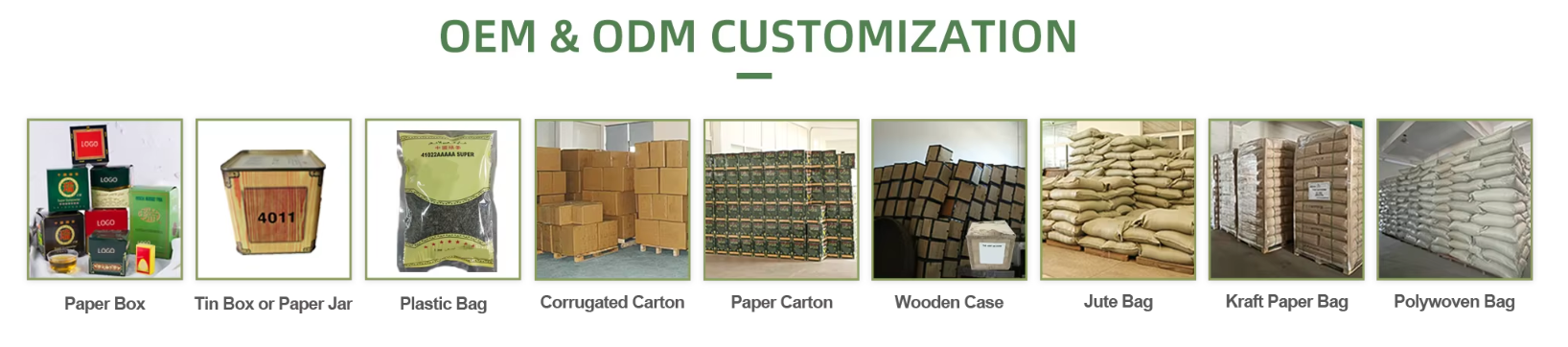
Customization: Direct factory relationships allow for custom grading (blending different screen sizes to match your market’s exact preference), custom packaging (from bulk sacks to branded retail units), and even private-label product development.
Stability of Supply: Zhejiang’s Gunpowder tea industry is not a cottage industry — it is a mature, industrialized sector with over 30 refined tea processing factories in Shengzhou alone, including 15 enterprises with independent import-export rights. This production depth ensures that even during challenging seasons, reliable suppliers can fulfill contracts.
Storage and Shelf Life:
One of Gunpowder tea’s commercial advantages is its relative stability compared to other green teas. The tight pellet structure provides some natural protection against oxidation:
– Optimal conditions: Cool (<20°C), dry (<60% humidity), away from direct light and strong odors
– Shelf life: 3-10 years from production date when properly stored
– Quality indicators: Fresh Gunpowder tea has a bright, slightly glossy appearance and a clean, toasty aroma. Fading color and flat or musty smell indicate age or poor storage
For tea importers and distributors, Gunpowder tea offers something rare in today’s volatile commodity markets: stable, predictable demand at scale. It may not command the premium prices of artisanal single-origin teas, but it offers volume, consistency, and a market that measures consumption in tonnes per day rather than grams per month.
The key to success is not finding the cheapest Gunpowder tea — it is matching the right grade to the right market, building a direct and transparent supply relationship, and positioning the product’s health and cultural credentials effectively for your target consumers.