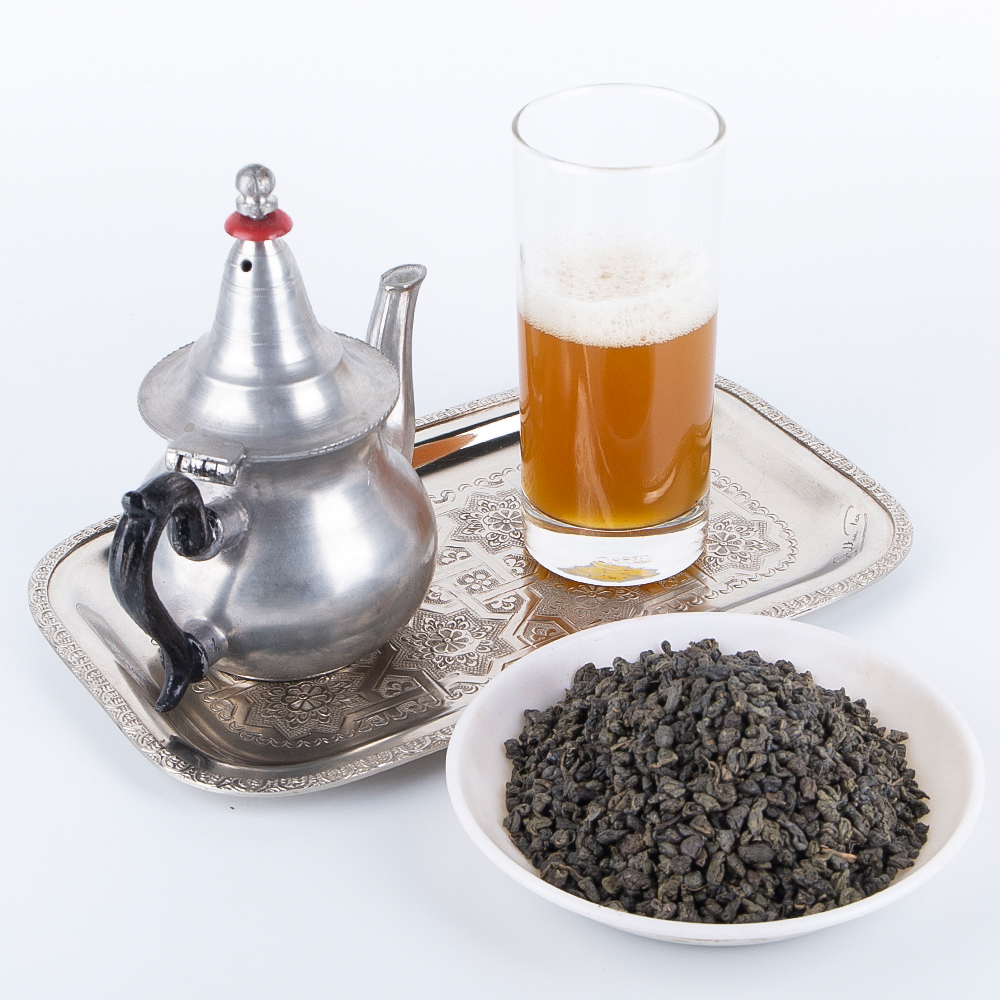
Gunpowder Tea Grades Explained: A Comprehensive Guide for International Buyers

If you have ever sourced green tea from China, you have almost certainly encountered the alphanumeric codes that define Gunpowder tea grades. To the uninitiated, strings like “3505AAA” or “9375” might look like factory inventory numbers. In reality, they are the key to understanding what you are buying — and how much you should be paying.

This guide breaks down the Gunpowder tea grading system from a B2B buyer’s perspective. Whether you import for a supermarket chain in Europe, blend mint tea for the North African market, or stock specialty loose-leaf tea in the Middle East, understanding these grades will help you make smarter purchasing decisions.


1. What Is Gunpowder Tea?

Gunpowder tea (Chinese: 珠茶, literally “pearl tea”) is a type of pan-fired green tea in which the leaves are rolled into small, dense pellets that resemble grains of gunpowder. The name dates back to 18th-century British tea traders, who noted the visual similarity between the tightly rolled leaves and actual gunpowder pellets used in firearms at the time.

The tea traces its origins to Zhejiang Province in eastern China, with Pingshui (平水) in Shaoxing recognized as the historical production center. As early as the Tang Dynasty (618–907 AD), Zhejiang was producing compressed tea cakes for transport along the Silk Road. The pellet-rolling technique was perfected during the Ming Dynasty (1368–1644), when loose-leaf tea became the dominant form of consumption in China.

What makes Gunpowder tea distinctive is the rolling process. After pan-firing (kill-green), the leaves are mechanically rolled under pressure into tight spheres. This compression serves three purposes. It preserves freshness by reducing the leaf surface area exposed to air. It makes the tea exceptionally dense, allowing shippers to pack more weight into less volume — a critical advantage for 19th-century maritime trade. And it creates a slow, controlled unfurling during brewing, which releases flavor in layers rather than all at once.

Today, Gunpowder tea accounts for a significant share of China’s green tea exports. The largest import markets include Morocco, Algeria, Libya, Senegal, and Mauritania in North and West Africa; Uzbekistan in Central Asia; and Spain, France, and Belgium in Europe. For many of these markets, Gunpowder tea is not a specialty product — it is a daily staple.


2. Understanding the Grading System

The international grading system for Gunpowder tea was standardized by Chinese state-run export agencies in the mid-20th century. The codes you see on commercial invoices — 3505, 9375, 9475, etc. — are not arbitrary numbers. They are trade designations that communicate specific quality parameters.

2.1 What the Numbers Actually Mean

The numbering system reflects two primary variables:

  • Pellet size: Smaller numbers generally indicate smaller, more tightly rolled pellets made from younger leaves.
  • Leaf quality: The raw material grade — bud-to-leaf ratio, harvest season, and leaf tenderness.

The “AAA” suffix on grades like 3505AAA represents a further quality stratification within the same pellet size category. Think of it as: same model, premium trim level.

2.2 Core Grading Factors

Professional tea graders evaluate Gunpowder tea across five dimensions:

FactorWhat to Look ForIndicator of Quality
Pellet SizeConsistent, uniform pelletsSmaller = younger leaves, more skilled rolling
TightnessDense, hard-to-crush pelletsProper compression during processing
ColorDeep jade-green with a slight lusterFreshness and well-preserved essential oils
AromaFresh, slightly sweet, vegetal with faint smokinessProper firing without scorching
LiquorBright yellow-green, clearClean processing, no contaminants

A yellowish or grayish hue in the dry leaf signals age or improper storage. A dusty, flat aroma suggests stale product. Broken pellets or inconsistent sizing point to lower-grade raw material or careless processing.


3. Gunpowder Tea Grade Breakdown

Below is a detailed breakdown of the most commonly traded grades, organized from highest to lowest.

3.1 Grade 3505AAA — “Pinhead” (Top Premium)

This is the pinnacle of Gunpowder tea. The pellets are exceptionally small — approximately 1–2mm in diameter — perfectly round, and gleaming with a dark jade-green sheen. Made from the earliest spring harvest using only the youngest buds and leaves, Pinhead Gunpowder is the benchmark against which all other grades are measured.

Sensory Profile: Nutty and sweet with a remarkably smooth, full-bodied mouthfeel. Minimal astringency. The aftertaste is long and clean — what Chinese tea masters call hui gan (returning sweetness).

Best For: Premium loose-leaf retail, high-end food service, specialty tea shops, and markets where consumers are willing to pay for quality differentiation.

Price Position: 2–3× the cost of standard grades. Minimum order quantities are typically higher, and availability is seasonal.

3.2 Grade 3505A — “Premium”

A step below Pinhead, with pellets measuring approximately 2–3mm. Still tightly rolled and uniform, but using a slightly broader leaf selection that includes the bud and the first two leaves.

Sensory Profile: Rich and toasted with balanced astringency. The liquor is bright golden-green, and the flavor holds up well to multiple infusions. More robust than 3505AAA while retaining refinement.

Best For: Mid-to-premium retail brands, high-quality tea bag production, and hospitality markets. The most popular premium grade in European tea houses.

3.3 Grade 3505B / 3505C — “Upper Standard”

These grades use larger pellets (approximately 3–4mm) and can include leaves from later harvests. The rolling tightness is slightly reduced, and pellet uniformity begins to show more variation. Still well within acceptable quality parameters for most commercial applications.

Sensory Profile: Fuller body with more pronounced vegetal and slightly smoky notes. Higher astringency than premium grades, but still smooth enough for daily drinking.

Best For: Mainstream retail packaging, mid-range food service, and private-label supermarket brands. Offers a strong quality-to-cost ratio.

3.4 Grade 9375 — “Standard”

The workhorse of the Gunpowder tea trade. Pellets are approximately 4–5mm, visibly larger and less uniformly rolled than the 3505 series. This is the grade most commonly associated with the North African mint tea tradition.

Sensory Profile: Strong, assertive, and distinctly astringent. The flavor is bold enough to stand up to generous amounts of fresh mint and sugar. Produces a darker, amber-tinged liquor compared to higher grades.

Best For: Mint tea blending (Morocco, Algeria, Tunisia), economical retail bags, and markets where a strong, brisk cup is preferred. Single-largest volume grade in global Gunpowder tea trade.

3.5 Grade 9475 — “Economy”

Pellets exceed 5mm, with an open, sometimes irregular roll. Made from larger, more mature leaves harvested later in the season. Color tends toward a yellowish-green rather than the deep jade of premium grades.

Sensory Profile: Coarse, bitter, and flat, with none of the layered complexity of higher grades. The aftertaste is short and sometimes harsh.

Best For: Price-sensitive markets, industrial tea extraction, and applications where tea is a background ingredient rather than the star. Not recommended for retail loose-leaf.

3.6 Grade Comparison at a Glance

Grade CodeMarket NamePellet SizeFlavor ProfilePrimary Markets
3505AAAPinhead~1–2mmNutty, smoothPremium retail, EU/US specialty
3505APremium~2–3mmRich, toasted, balancedMid-premium retail, EU hospitality
3505B/CUpper Standard~3–4mmVegetal, slight smokinessMainstream retail, private label
9375Standard~4–5mmStrong, astringent, boldNorth African mint tea, bulk
9475Economy>5mmCoarse, flatIndustrial, extreme price sensitivity

4. Choosing the Right Grade for Your Market

Grade selection should be driven by three factors: your target consumer, your price point, and your format.

4.1 Market-Specific Preferences

North Africa (Morocco, Algeria, Libya): The 3505AAA-D grade dominates. Consumers here brew Gunpowder tea with fresh mint and sugar, and the bold, astringent base is essential for cutting through the sweetness. Anything too smooth or delicate gets lost. Strong, dark brews preferred.

West Africa (Senegal, Mauritania, Mali): Similar to North Africa, but with even greater price sensitivity. 3505 and sometimes 3505D are the standard. Mint tea rituals are deeply cultural, and volume matters more than refinement.

Europe (Belgium, France, Spain): A bifurcated market. Health-conscious consumers and specialty tea shops demand 3505A and above, with organic certification increasingly becoming a requirement. Supermarket and private-label segments work well with 3505 and 9375 grades. Cold-brew Gunpowder tea is an emerging trend in this region.

Middle East (UAE, Saudi Arabia, Kuwait): Preference for 3505AAA and 3505A in premium retail, with 9375 serving the food service and catering sector. Consumers in the Gulf states often have higher disposable income and are willing to pay for visible quality.

Central Asia (Russia, Uzbekistan): Price-driven. 9501 and 9475 grades, often sold in large-format bulk packaging.

4.2 Format Considerations

  • Loose-leaf retail: 3505AAA or 3505A. Visual appearance matters — consumers judge with their eyes first.
  • Tea bags: 3505B or 9375. Pellet size needs to work within bag dimensions, and cost-per-cup is critical.
  • Mint tea blends: 9375 exclusively. The grade was practically designed for this application.
  • Ready-to-drink / extraction: 9475. Flavor defects are masked by other ingredients, and cost is everything.

5. Quality Red Flags: What to Watch For

Even within the same grade code, quality can vary significantly between suppliers. Here is what professional buyers should check:

  • Inconsistent pellet size within a batch: Indicates poor sorting or mixing of harvests.
  • Excessive broken pellets and dust at the bottom of the bag: A sign of rough handling, age, or both.
  • Yellowish-gray coloration: Old stock or improper storage (exposure to heat and moisture).
  • Flat, musty aroma: Stale tea or mold contamination from excessive moisture during transport.
  • Lack of luster on pellet surface: Essential oils have oxidized; freshness is compromised.
  • Excessive stem or non-tea material: Poor sorting and low production standards.

Always request a pre-shipment sample and cup it yourself. Photographs are not enough. The brewing test reveals everything that grading codes cannot.


6. Sourcing Gunpowder Tea from China

6.1 The Zhejiang Advantage

Zhejiang Province remains the world’s premier Gunpowder tea production region. The combination of subtropical climate, mountainous terrain, and centuries of accumulated processing expertise creates a terroir that cannot be replicated elsewhere. Factories in Shaoxing, Ningbo, and Jinhua produce the bulk of China’s Gunpowder tea exports.

6.2 Certification and Compliance

For European and North American buyers, certifications are non-negotiable. Look for suppliers who can provide:

  • ISO 9001 / HACCP: Basic food safety and quality management.
  • EU Organic / USDA Organic: Required for organic-label products in their respective markets.
  • Eurofins / SGS test reports: Pesticide residue testing against EU MRL standards (particularly important after the EU increased scrutiny on anthraquinone residues from coal drying).
  • Rainforest Alliance / Fair Trade: Value-added certifications for premium positioning.

6.3 Why Buy Factory Direct

Working directly with a Zhejiang-based producer eliminates middlemen, reduces cost, and gives you control over quality specifications. A factory-direct relationship means you can customize grades, packaging, and blends to your market’s exact requirements — rather than settling for whatever the trader has in stock.

Contact us to request samples, discuss specifications, or receive a quotation for your market.
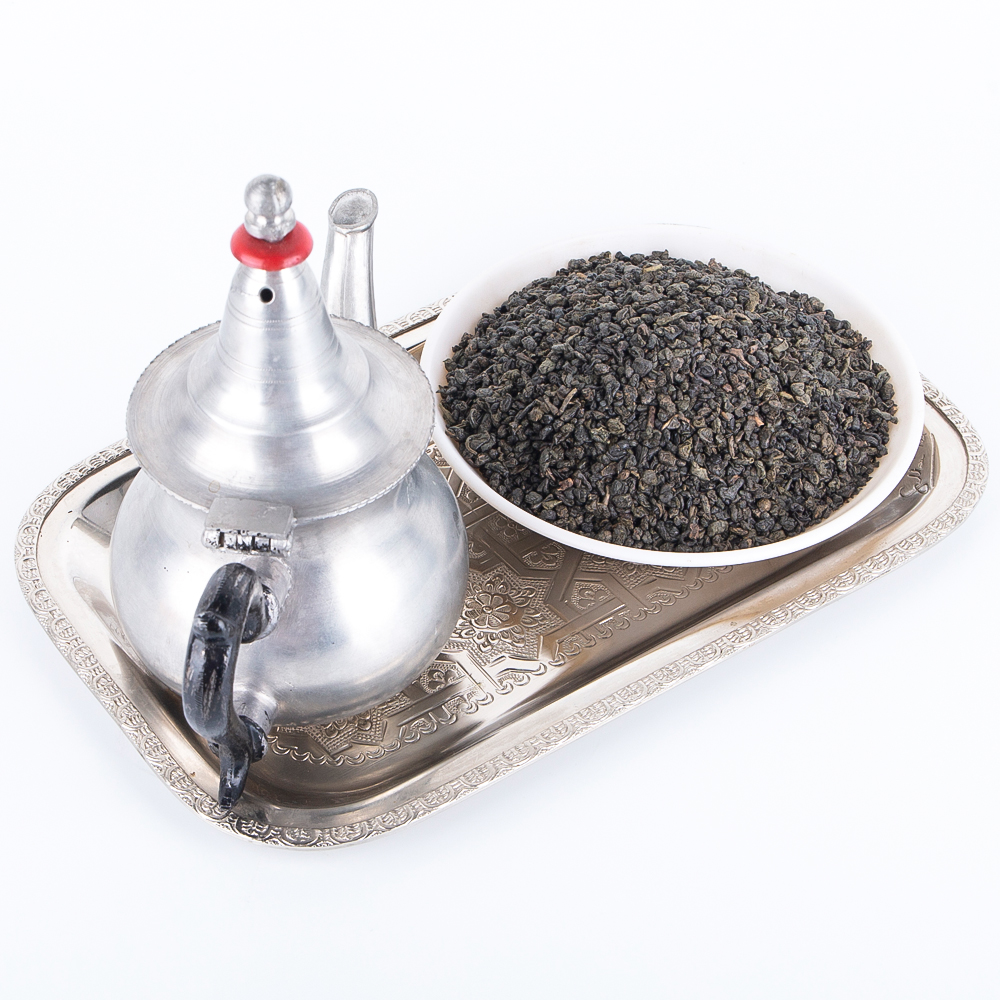
Thé vert Gunpowder : Le guide complet pour les importateurs et les amateurs de thé

Chaque matin au Maroc, des millions de personnes commencent leur journée de la même manière : verser de l’eau bouillante sur de petites boulettes vertes bien roulées qui se déploient en une liqueur ambrée et parfumée. Ces boulettes sont du thé Gunpowder, et elles représentent l’une des histoires de succès les plus remarquables du commerce mondial du thé. Pour les importateurs, les grossistes et les marques de thé cherchant à construire une chaîne d’approvisionnement fiable en thé vert, comprendre le thé Gunpowder n’est pas optionnel — c’est essentiel.

Le thé Gunpowder représente environ 18 % des exportations totales de thé vert de la Chine, avec des volumes d’exportation annuels se stabilisant autour de 35 000 tonnes. La province du Zhejiang, en particulier les villes de Shaoxing et Shengzhou, produit plus de 78 % de l’approvisionnement mondial en thé Gunpowder. En 2025, Shengzhou seule a transformé et exporté environ 70 000 tonnes de thé, générant environ 1,3 milliard de RMB de valeur d’exportation. Ces chiffres ne sont pas le fruit du hasard — ils reflètent un écosystème de production profondément enraciné qui a fait du thé Gunpowder chinois le choix par défaut pour les importateurs d’Afrique, du Moyen-Orient, d’Asie centrale et d’Europe.

Qu’est-ce que le thé vert Gunpowder ?

Le thé Gunpowder (珠茶, zhū chá, littéralement « thé perle ») est un style de thé vert chinois caractérisé par sa forme distinctive de boulette. Le nom vient de la ressemblance des feuilles étroitement roulées avec des grains de poudre à canon — une association visuelle qui a perduré sur les marchés occidentaux depuis le 17e siècle, lorsque les commerçants hollandais et britanniques ont rencontré pour la première fois ce thé dans les ports du Zhejiang.

Le processus de production qui crée cette forme emblématique est ce qui distingue le thé Gunpowder des autres thés verts :

1. Flétrissage — Les feuilles fraîchement cueillies (généralement un bourgeon et deux ou trois feuilles) sont étalées en fine couche sur des plateaux en bambou pour perdre environ 30 % de leur teneur en humidité. Cela ramollit la structure de la feuille pour le roulage.

2. Fixation (Sha Qing / 杀青) — Les feuilles flétries sont torréfiées à 280-320°C dans de grands tambours rotatifs pendant 2-3 minutes. Cette étape cruciale désactive les enzymes polyphénol oxydase, stoppant l’oxydation et préservant la couleur verte et le caractère frais. La chaleur élevée développe également la note fumée-sucrée caractéristique du thé.

3. Roulage — C’est là que la magie opère. Contrairement à d’autres thés verts qui sont roulés à la main ou à la machine en brins torsadés (Chunmee) ou aplatis (Longjing), les feuilles de thé Gunpowder sont introduites dans des rouleaux rotatifs spécialisés qui les font tourner continuellement pendant 40 à 60 minutes. La friction et la pression façonnent chaque feuille en une petite boule ronde et serrée tout en pressant les huiles essentielles à la surface, ce qui crée le brillant caractéristique.

4. Séchage — Les boulettes roulées sont séchées par étapes, d’abord à chaleur moyenne (80-100°C) pour éliminer l’humidité de surface, puis à chaleur plus élevée (110-120°C) pour atteindre une teneur en humidité finale de 5-6%. Ce séchage en plusieurs étapes verrouille la forme et développe le profil aromatique toasté.

5. Calibrage et tri — Les boulettes séchées passent à travers une série de tamis vibrants avec des mailles de plus en plus fines. Ce tri mécanique sépare les feuilles par taille de boulette, uniformité et densité, produisant des grades commerciaux distincts.

Le résultat est un thé qui, contrairement aux thés verts plus délicats, peut supporter le transport longue distance, le stockage prolongé et les infusions répétées — des qualités qui en ont fait l’épine dorsale du commerce mondial du thé vert en vrac.

Grades du thé Gunpowder : Comprendre les numéros

Pour les importateurs, le système de classement est la chose la plus importante à comprendre. Les grades du thé Gunpowder suivent un système numérique où les chiffres indiquent la taille des boulettes, la qualité de la forme et l’apparence générale — pas nécessairement la supériorité de la saveur.

| Grade | Taille des boulettes | Caractéristiques | Marchés principaux |

| 3505AAA | Plus petit, le plus serré | Granulés uniformes minuscules, vert vif, aspect premium | Europe, Afrique Maroc, Moyen-Orient premium |

| 3505AA | Très petit, serré | Légèrement moins uniforme que AAA, toujours premium | Europe, Afrique Maroc |

| 3505A | Petit, serré | Qualité premium standard, bon lustre | Export général premium |

| 505 | Rond, un peu plus gros, serré | Qualité premium standard | Europe, Maroc, Algérie, Asie centrale |

| 9501 | Moyen-petit | Bien roulé, taille équilibrée, bon rapport qualité-prix | Asie centrale, Ouzbékistan |

| 9375 | Moyen-petit | Bien roulé, avec quelques tiges de thé | Maroc, Asie centrale, Moyen-Orient |

| 9475 | Plus grandes feuilles de thé en tête | Asie centrale, Ouzbékistan |

| 9575 | Moyen-grand | Granulés plus gros | Asie centrale, Ouzbékistan |

| 9675 | Feuilles de thé plates avec tiges de thé | Afrique de l’Ouest, Asie centrale, marchés économiques |

different gunpowder tea grades from Ruixing tea

Information clé pour les importateurs : Un numéro plus petit (série 3505) indique des pellets plus petits et plus uniformes — ceux-ci atteignent des prix plus élevés sur les marchés où l’apparence compte (UE au détail, Maroc, emballage cadeau). Les numéros plus grands (9475, 9575) sont très consommés sur les marchés du Moyen-Orient et d’Asie centrale. La désignation “A” (A, AA, AAA) indique une uniformité et une qualité visuelle croissantes au sein de la même catégorie de taille.

Bienfaits pour la santé qui stimulent la demande des consommateurs

Le thé Gunpowder partage l’ensemble des bienfaits pour la santé associés à tous les thés verts de haute qualité, mais son processus de production lui confère certains avantages uniques :

Teneur élevée en antioxydants : Le thé Gunpowder est riche en catéchines, en particulier l’épigallocatéchine gallate (EGCG), qui a été largement étudiée pour ses effets anti-inflammatoires, cardioprotecteurs et métaboliques. Le processus de torréfaction à la poêle, car il applique une chaleur rapide et brève, pourrait préserver des niveaux de catéchines légèrement plus élevés que les thés verts cuits à la vapeur selon certaines études.

Métabolisme et gestion du poids : La combinaison de caféine et de catéchines dans le thé Gunpowder a montré qu’elle augmentait la thermogenèse (le taux de brûlage des calories par le corps). Une méta-analyse publiée dans l’*International Journal of Obesity* a révélé que les catéchines du thé vert combinées à la caféine produisaient une augmentation modeste mais statistiquement significative de la dépense énergétique et de l’oxydation des graisses.

Santé digestive : Le léger goût fumé du thé Gunpowder, combiné à son astringence modérée, le rend particulièrement populaire comme boisson après les repas dans les cultures nord-africaines et moyen-orientales. Les tanins peuvent faciliter la digestion en stimulant la production d’enzymes digestives.

Bienfaits cardiovasculaires : La consommation régulière de thé vert est associée à une réduction du cholestérol LDL et à une amélioration de la fonction artérielle. Pour les marchés où les maladies cardiovasculaires sont une préoccupation croissante — y compris l’Afrique du Nord et le Moyen-Orient — ce positionnement santé est un avantage marketing puissant.

Vigilance mentale sans nervosité : Avec environ 30 à 40 mg de caféine par tasse (contre 80 à 100 mg dans le café), le thé Gunpowder offre une clarté mentale soutenue sans le coup de fatigue. La présence de L-théanine, un acide aminé qui favorise une concentration calme, modère l’effet stimulant.

Comment infuser parfaitement le thé Gunpowder

La plus grande erreur que les gens commettent avec le thé Gunpowder est de le traiter comme un thé vert délicat. Il n’est pas délicat — il est robuste, indulgent et conçu pour de multiples infusions.

Méthode marocaine traditionnelle (pour 3 à 4 portions) :

1. Ajoutez 2 cuillères à café (5-7 g) de thé Gunpowder dans une théière

2. Versez juste assez d’eau bouillante (100 °C) pour couvrir les feuilles — environ 50 ml

3. Faites tourner pendant 10 secondes, puis jetez cette première eau (cela “lave” le thé et ouvre les pellets)

4. Ajoutez de l’eau bouillante fraîche (500 ml), des feuilles de menthe fraîche et du sucre selon votre goût

5. Infuser pendant 3 à 5 minutes

6. Verser d’une hauteur pour créer la mousse caractéristique (“couronne”)

Méthode occidentale standard :

1. Utiliser 1 cuillère à café (2-3g) par tasse de 200ml

2. Température de l’eau : 80-85°C (si vous utilisez 100°C, réduisez le temps d’infusion à 2 minutes)

3. Première infusion : 2-3 minutes

4. Deuxième infusion : 3-4 minutes (les perles se seront complètement ouvertes)

5. Troisième infusion : 4-5 minutes

Pour le Cold Brew :

1. Ajoutez 10 g de thé Gunpowder à 1 litre d’eau froide

2. Réfrigérez pendant 6 à 8 heures ou toute une nuit

3. Filtrez et servez — remarquablement doux, sans amertume

Paysage du marché mondial : Où coule le thé Gunpowder

Comprendre la géographie de la demande de thé Gunpowder est crucial pour les importateurs qui planifient leur portefeuille de produits :

Maroc : Le plus grand importateur mondial

Le Maroc importe environ 60 000 à 90 000 tonnes de thé vert par an, dont la grande majorité est du thé Gunpowder chinois de grade 3505. Le thé n’est pas seulement une boisson au Maroc — c’est une institution culturelle. Le thé à la menthe marocain (*atay*) est servi plusieurs fois par jour, dans les foyers, les magasins et lors de chaque interaction sociale. Le marché est sensible aux prix mais stable en volume, avec une demande qui s’est avérée remarquablement résistante aux fluctuations économiques.

Autres marchés d’Afrique du Nord et de l’Ouest :

– Algérie : deuxième importateur africain, préférences de qualité similaires au Maroc

– Mauritanie : l’un des taux de consommation de thé par habitant les plus élevés au monde, cérémonie de service en trois tours

Union européenne :

Le marché de l’UE exige des qualités supérieures (série 3505) et nécessite de plus en plus de certifications : biologique (UE Bio), Rainforest Alliance, Fairtrade. Les principaux pays importateurs sont la France, la Belgique et l’Espagne. Les acheteurs de l’UE sont moins sensibles au prix mais plus à la qualité et à la conformité. Les normes strictes de l’UE en matière de résidus de pesticides (test pour plus de 480 résidus) signifient que seules les usines gérées professionnellement et orientées vers l’exportation peuvent approvisionner ce marché de manière fiable.

Asie centrale :

L’Ouzbékistan est devenu un marché de croissance significatif, avec des liaisons ferroviaires directes depuis Yiwu facilitant une logistique efficace. Les consommateurs d’Asie centrale préfèrent les grades moyens à grands (9501, 9475, 9575) et valorisent la taille et la couleur du thé plutôt que les profils de saveur délicats.

États-Unis et marchés de spécialité :

Le marché américain du thé Gunpowder est petit mais en croissance, porté par les boutiques de thé spécialisé, les consommateurs de bien-être et les communautés de la diaspora marocaine. Ce marché exige une certification biologique, des récits d’approvisionnement transparents et des formats d’emballage plus petits (unités de vente au détail de 100 g à 500 g plutôt qu’en vrac).

Pourquoi s’approvisionner en thé Gunpowder directement auprès des usines chinoises ?

Pour les importateurs, le modèle traditionnel d’achat par l’intermédiaire de négociants intermédiaires ajoute des couches de coûts qui érodent les marges. L’approvisionnement direct en usine dans la zone de production principale du Zhejiang offre plusieurs avantages structurels :

Compétitivité des prix : Les prix directs d’usine permettent généralement d’économiser 15 à 25 % par rapport aux réseaux de négociants à plusieurs niveaux. Avec des prix d’exportation moyens allant de 1,0 à 5,0 $/kg pour les qualités standard, chaque point de pourcentage de marge compte pour des volumes à l’échelle d’un conteneur.

Cohérence de la qualité : Lorsque vous achetez auprès d’une seule usine bien gérée, vous obtenez une cohérence d’un lot à l’autre que les intermédiaires mélangeant plusieurs sources ne peuvent garantir. Pour les marques qui construisent la confiance des consommateurs, la cohérence est plus précieuse que le prix le plus bas possible sur une seule expédition.

Traçabilité et conformité : Les relations directes permettent une transparence totale de la chaîne d’approvisionnement — essentielle pour la certification biologique de l’UE, les rapports de durabilité des entreprises et les exigences réglementaires émergentes comme le règlement de l’UE sur la déforestation (EUDR). Vous pouvez retracer votre thé jusqu’à des zones de culture, des dates de récolte et des lots de transformation spécifiques.

Personnalisation : Les relations directes avec les usines permettent un calibrage personnalisé (mélange de différentes tailles de tamis pour correspondre exactement aux préférences de votre marché), un emballage personnalisé (des sacs en vrac aux unités de vente au détail de marque) et même le développement de produits sous marque de distributeur.

Stabilité de l’approvisionnement : L’industrie du thé Gunpowder du Zhejiang n’est pas une industrie artisanale — c’est un secteur mature et industrialisé avec plus de 30 usines de transformation de thé raffiné rien qu’à Shengzhou, dont 15 entreprises disposant de droits d’import-export indépendants. Cette profondeur de production garantit que même pendant les saisons difficiles, les fournisseurs fiables peuvent honorer les contrats.

Stockage et durée de conservation :

L’un des avantages commerciaux du thé Gunpowder est sa relative stabilité par rapport aux autres thés verts. La structure en petites boules offre une protection naturelle contre l’oxydation :

– Conditions optimales : Frais (<20°C), sec (<60% d’humidité), à l’abri de la lumière directe et des odeurs fortes

– Durée de conservation : 3 à 10 ans à partir de la date de production lorsqu’il est correctement stocké

– Indicateurs de qualité : Le thé Gunpowder frais a un aspect brillant et légèrement lustré et un arôme propre et toasté. Une couleur qui s’estompe et une odeur plate ou moisie indiquent l’âge ou un mauvais stockage

Pour les importateurs et distributeurs de thé, le thé Gunpowder offre quelque chose de rare sur les marchés volatils d’aujourd’hui : une demande stable et prévisible à grande échelle. Il n’atteint peut-être pas les prix élevés des thés d’origine artisanale, mais il offre du volume, de la cohérence et un marché qui mesure la consommation en tonnes par jour plutôt qu’en grammes par mois.

La clé du succès n’est pas de trouver le thé Gunpowder le moins cher — il s’agit de faire correspondre le bon grade au bon marché, d’établir une relation d’approvisionnement directe et transparente, et de positionner efficacement les atouts santé et culturels du produit pour vos consommateurs cibles.

Ruixing Tea est un exportateur de thé vert chinois basé au Zhejiang, spécialisé dans le thé Gunpowder et le thé Chunmee pour l’importation en gros et en vrac. Contactez-nous pour discuter de vos besoins en grade et demander des échantillons.

珠茶:进口商和茶叶爱好者的完整指南

在摩洛哥,每天早晨有数百万人以同样的方式开始新的一天:将沸水倒入紧卷的绿色茶粒中,它们舒展开来,变成芬芳的琥珀色茶汤。这些茶粒就是珠茶,它们代表了全球茶叶贸易中最引人注目的成功故事之一。对于希望建立可靠绿茶供应链的进口商、批发商和茶叶品牌来说,了解珠茶不是可选的——而是必不可少的。

珠茶约占中国绿茶出口总量的18%,年出口量稳定在3.5万吨左右。浙江省,特别是绍兴市和嵊州市,生产了全球超过78%的珠茶供应。2025年,仅嵊州就加工并出口了约7万吨茶叶,创汇约13亿元人民币。这些数字并非偶然——它们反映了一个根深蒂固的生产生态系统,使中国珠茶成为非洲、中东、中亚和欧洲进口商的首选。

什么是珠茶?

珠茶(zhū chá,字面意思为“珍珠茶”)是一种中国绿茶,以其独特的颗粒形状为特征。其名称来源于紧卷的茶叶与火药颗粒的相似性——自17世纪荷兰和英国商人首次在浙江港口接触到这种茶以来,这种视觉联想在西方市场一直沿用至今。

形成这种标志性形状的生产过程是珠茶区别于其他绿茶的关键:

1. 萎凋——新鲜采摘的茶叶(通常为一芽两叶或三叶)薄摊在竹筛上,失去约30%的水分。这使叶片结构变软,便于揉捻。

2. 杀青 — 枯萎的茶叶在大型旋转滚筒中以280-320°C的温度翻炒2-3分钟。这一关键步骤使多酚氧化酶失活,阻止氧化,保持绿色和鲜爽特性。高温还形成了茶叶标志性的烟熏甜味。

3. 揉捻 — 这是神奇发生的地方。与其他绿茶(如手工或机器揉捻成条状的眉茶或扁平的龙井)不同,珠茶茶叶被送入专门的旋转滚筒揉捻机,连续翻滚40-60分钟。摩擦和压力将每片叶子塑造成紧实的圆形颗粒,同时将精油挤压到表面,形成特有的光泽。

4. 干燥 — 揉捻后的颗粒分阶段干燥,首先在中温(80-100°C)下去除表面水分,然后在高温(110-120°C)下将最终含水量降至5-6%。这种多阶段干燥锁定了形状并发展了焦香风味。

5. 分级与筛选 — 干燥后的颗粒通过一系列振动筛,筛孔尺寸逐渐变细。这种机械分选根据颗粒大小、均匀性和密度分离茶叶,产生不同的商业等级。

结果是,与更娇嫩的绿茶相比,这种茶能够承受长途运输、长期储存和多次冲泡——这些品质使其成为全球大宗绿茶贸易的支柱。

珠茶等级:理解数字

对于进口商来说,分级系统是最需要理解的内容。珠茶等级遵循数字系统,其中数字表示颗粒大小、形状质量和整体外观——并不一定代表风味优劣。

| 等级 | 颗粒大小 | 特点 | 主要市场 |

| 3505AAA | 最小、最紧实 | 均匀的小颗粒,鲜绿色,优质外观 | 欧洲、非洲摩洛哥、优质中东 |

| 3505AA | 非常小、紧实 | 比AAA略不均匀,仍属优质 | 欧洲、非洲摩洛哥 |

| 3505A | 小、紧实 | 标准优质等级,光泽好 | 一般出口优质 |

| 505 | 圆形,稍大,紧实 | 标准优质等级 | 欧洲、摩洛哥、阿尔及利亚、中亚 |

| 9501 | 中小型 | 卷曲良好,大小均衡,性价比高 | 中亚、乌兹别克斯坦 |

| 9375 | 中小型 | 卷曲良好,含少量茶梗 | 摩洛哥、中亚、中东 |

| 9475 | 最大的茶头叶 | 中亚、乌兹别克斯坦 |

| 9575 | 中大型 | 较大颗粒 | 中亚、乌兹别克斯坦 |

| 9675 | 扁平茶叶带茶梗 | 西非、中亚、预算市场 |

different gunpowder tea grades from Ruixing tea

进口商的关键洞察:较小的编号(3505系列)表示更小、更均匀的颗粒——这些在外观重要的市场(欧盟零售、摩洛哥、礼品包装)中价格更高。较大的编号(9475、9575)在中东和中亚市场消费量大。”A”标识(A、AA、AAA)表示在同一尺寸类别中均匀度和视觉质量的提升。

推动消费者需求的健康益处

珠茶拥有所有高品质绿茶的全部健康益处,但其生产工艺赋予它一些独特优势:

高抗氧化剂含量:珠茶富含儿茶素,特别是表没食子儿茶素没食子酸酯(EGCG),其抗炎、保护心脏和促进新陈代谢的作用已被广泛研究。根据一些研究,炒青工艺由于快速短暂加热,可能比蒸青绿茶保留稍高的儿茶素水平。

新陈代谢与体重管理:珠茶中的咖啡因和儿茶素组合已被证明能增加产热(身体燃烧卡路里的速率)。发表在《国际肥胖杂志》上的一项荟萃分析发现,绿茶儿茶素与咖啡因结合可适度但显著地增加能量消耗和脂肪氧化。

消化健康:珠茶轻微的烟熏味,加上适度的涩味,使其在北非和中东文化中特别受欢迎,常作为餐后饮品。单宁酸可通过刺激消化酶的分泌帮助消化。

心血管益处:经常饮用绿茶与降低低密度脂蛋白胆固醇和改善动脉功能有关。对于心血管疾病日益受到关注的市场——包括北非和中东——这种健康定位是一个强大的营销优势。

头脑清醒无焦躁:每杯约含30-40毫克咖啡因(咖啡为80-100毫克),火药茶提供持续的精神清晰度,不会产生疲劳感。L-茶氨酸(一种促进平静专注的氨基酸)的存在调节了兴奋剂的效果。

如何完美冲泡火药茶

人们对火药茶最大的误解是将其视为精致的绿茶。它并不精致——它浓郁、宽容,且适合多次冲泡。

传统摩洛哥方法(3-4人份):

1. 将2茶匙(5-7克)火药茶加入茶壶

2. 倒入刚好能覆盖茶叶的沸水(100°C)——约50毫升

3. 摇晃10秒,然后倒掉这第一道水(这能“清洗”茶叶并打开茶粒)

4. 加入新鲜沸水(500毫升)、新鲜薄荷叶和适量糖

5. 浸泡3-5分钟

6. 从高处倒出以形成标志性泡沫(”皇冠”)

标准西式方法:

1. 每200毫升杯子使用1茶匙(2-3克)

2. 水温:80-85°C(如果使用100°C,将浸泡时间减少至2分钟)

3. 第一次冲泡:2-3分钟

4. 第二次冲泡:3-4分钟(颗粒将完全展开)

5. 第三次冲泡:4-5分钟

冷泡方法:

1. 将10克珠茶加入1升冷水中

2. 冷藏6-8小时或过夜

3. 过滤后饮用——口感异常顺滑,毫无苦涩

全球市场格局:珠茶流向何方

了解珠茶的需求地理分布对于进口商规划产品组合至关重要:

摩洛哥:全球最大进口国

摩洛哥每年进口约6万至9万吨绿茶,其中绝大多数是中国珠茶,等级为3505。在摩洛哥,茶不仅仅是一种饮品——它是一种文化习俗。摩洛哥薄荷茶(*atay*)每天多次饮用,无论是在家中、商店里,还是在每一次社交互动中。该市场对价格敏感,但需求量稳定,且事实证明,其需求对经济波动具有显著的韧性。

其他北非和西非市场:

– 阿尔及利亚:非洲第二大进口国,等级偏好与摩洛哥相似

– 毛里塔尼亚:全球人均茶叶消费量最高的国家之一,采用三轮敬茶仪式

欧盟:

欧盟市场要求更高等级(3505系列),并日益要求认证:有机(欧盟有机)、雨林联盟、公平贸易。主要进口国包括法国、比利时和西班牙。欧盟买家对价格不太敏感,但对质量和合规性更敏感。欧盟严格的农药残留标准(检测480多种残留物)意味着只有专业管理、面向出口的工厂才能可靠地供应这个市场。

中亚:

乌兹别克斯坦已成为一个重要的增长市场,从义乌出发的直达铁路连接促进了高效的物流。中亚消费者偏好中等到大等级(9501、9475、9575),更看重茶叶的大小和颜色,而非细腻的风味。

美国及特色市场:

美国市场对珠茶的需求虽小但正在增长,主要由特色茶叶店、健康消费者和摩洛哥侨民社区推动。该市场要求有机认证、透明的采购故事以及较小的包装规格(100克至500克的零售单位,而非散装)。

为何直接从中国工厂采购珠茶?

对于进口商而言,通过中间商购买的传统模式增加了成本层级,侵蚀了利润。直接从浙江核心产区的工厂采购具有多项结构性优势:

价格竞争力:工厂直供价格通常比多层中间商网络节省15-25%。标准等级的平均出口价格在每公斤1.0-5.0美元之间,对于集装箱规模的订单,每一个百分点的利润都至关重要。

质量一致性:从单一管理良好的工厂采购,可以获得批次间的一致性,而中间商从多个来源混合的产品无法保证这一点。对于建立消费者信任的品牌而言,一致性比单次发货的最低价格更有价值。

可追溯性与合规性:直接关系可实现完整的供应链透明度——这对于欧盟有机认证、企业可持续发展报告以及新兴监管要求(如欧盟零毁林法规EUDR)至关重要。您可以追溯茶叶到具体的种植区域、收获日期和加工批次。

定制化:直接的工厂关系允许定制分级(混合不同筛网尺寸以匹配市场的精确偏好)、定制包装(从散装袋到品牌零售单位),甚至自有品牌产品开发。

供应稳定性:浙江的珠茶产业并非家庭作坊式产业,而是一个成熟的工业化部门,仅嵊州就有30多家精制茶加工厂,其中15家企业拥有独立进出口权。这种生产深度确保了即使在具有挑战性的季节,可靠的供应商也能履行合同。

储存与保质期:

珠茶相较于其他绿茶,其商业优势之一在于相对稳定。紧密的颗粒结构提供了一定的天然抗氧化保护:

– 最佳条件:凉爽(<20°C)、干燥(<60%湿度)、避光、远离强烈气味

– 保质期:妥善储存条件下,自生产日期起3-10年

– 品质指标:新鲜珠茶外观明亮、略带光泽,带有干净的烤香。颜色暗淡、气味平淡或发霉则表明陈化或储存不当

对于茶叶进口商和经销商而言,珠茶在当今波动的商品市场中提供了一种稀缺特性:大规模、稳定、可预测的需求。它可能无法像手工单一产地茶那样获得高价,但它提供了产量、一致性以及一个以吨/日而非克/月计量的市场。

成功的关键并非寻找最便宜的珠茶——而是将合适的等级匹配到合适的市场,建立直接透明的供应关系,并针对目标消费者有效定位产品的健康和文化价值。

瑞兴茶业是一家位于浙江的中国绿茶出口商,专营珠茶和眉茶的批发与大宗进口。联系我们讨论您的等级要求并索取样品。

Gunpowder Green Tea: The Complete Guide for Importers and Tea Lovers

Every morning in Morocco, millions of people begin their day the same way: pouring boiling water over tightly rolled green pellets that unfurl into fragrant, amber-green liquor. These pellets are Gunpowder tea, and they represent one of the most remarkable success stories in global tea trade. For importers, wholesalers, and tea brands looking to build a reliable green tea supply chain, understanding Gunpowder tea is not optional — it is essential.

Gunpowder tea accounts for approximately 18% of China’s total green tea exports, with annual export volumes stabilizing around 35,000 tonnes. Zhejiang Province, particularly the cities of Shaoxing and Shengzhou, produces over 78% of the world’s Gunpowder tea supply. In 2025, Shengzhou alone processed and exported roughly 70,000 tonnes of tea, generating approximately 1.3 billion RMB in export value. These numbers are not accidents — they reflect a deeply entrenched production ecosystem that has made Chinese Gunpowder tea the default choice for importers across Africa, the Middle East, Central Asia, and Europe.

What Is Gunpowder Green Tea?

Gunpowder tea (珠茶, zhū chá, literally “pearl tea”) is a style of Chinese green tea characterized by its distinctive pellet shape. The name comes from the resemblance of the tightly rolled leaves to grains of gunpowder — a visual association that has stuck in Western markets since the 17th century, when Dutch and British traders first encountered the tea in Zhejiang’s ports.

The production process that creates this iconic shape is what sets Gunpowder tea apart from other green teas:

1. Withering — Freshly picked leaves (typically one bud and two or three leaves) are spread thin on bamboo trays to lose approximately 30% of their moisture content. This softens the leaf structure for rolling.

2. Fixation (Sha Qing / 杀青) — The withered leaves are pan-fired at 280-320°C in large rotating drums for 2-3 minutes. This critical step deactivates the polyphenol oxidase enzymes, halting oxidation and preserving the green color and fresh character. The high heat also develops the tea’s signature smoky-sweet undertone.

3. Rolling — This is where the magic happens. Unlike other green teas that are rolled by hand or machine into twisted strips (Chunmee) or flattened (Longjing), Gunpowder tea leaves are fed into specialized rotating barrel rollers that tumble them continuously for 40-60 minutes. The friction and pressure shape each leaf into a tight, round pellet while squeezing essential oils to the surface, which creates the characteristic glossy sheen.

4. Drying — The rolled pellets are dried in stages, first at medium heat (80-100°C) to remove surface moisture, then at higher heat (110-120°C) to achieve a final moisture content of 5-6%. This multi-stage drying locks in the shape and develops the toasty aroma profile.

5. Grading and Sorting — The dried pellets pass through a series of vibrating sieves with progressively finer mesh sizes. This mechanical sorting separates leaves by pellet size, uniformity, and density, producing distinct commercial grades.

The result is a tea that, unlike more delicate green teas, can withstand long-distance shipping, extended storage, and repeated brewing — qualities that have made it the backbone of the global bulk green tea trade.

Gunpowder Tea Grades: Understanding the Numbers

For importers, the grading system is the most important thing to understand. Gunpowder tea grades follow a numeric system where the numbers indicate pellet size, shape quality, and overall appearance — not necessarily flavor superiority.

| Grade | Pellet Size | Characteristics | Primary Markets |

| 3505AAA | Smallest, tightest | Uniform tiny pellets, bright green, premium appearance | Europe, Africa Morocco, premium Middle East |

| 3505AA | Very small, tight | Slightly less uniform than AAA, still premium | Europe, Africa Morocco |

| 3505A | Small, tight | Standard premium grade, good luster | General export premium |

| 505 | Round, a little bigger, tight | Standard premium grade | Europe, Morocco, Algeria, Central Asia |

| 9501 | Medium-small | Well-rolled, balanced size, good value | Central Asia, Uzbekistan |

| 9375 | Medium-small | Well-rolled,with few tea stems | Morocco, Central Asia, Middle East |

| 9475 | Biggest tea head leaves | Central Asia, Uzbekistan |

| 9575 | Medium-large | Larger pellets | Central Asia, Uzbekistan |

| 9675 | Flat tea leaves with tea stems | West Africa, Central Asia, budget markets |

different gunpowder tea grades from Ruixing tea

Key insight for importers: A smaller number (3505 series) indicates smaller, more uniform pellets — these command higher prices in markets where appearance matters (EU retail, Morocco, gift packaging). Larger numbers (9475, 9575) consumed a lot in Middle East and Central Asia markets. The “A” designation (A, AA, AAA) indicates increasing uniformity and visual quality within the same size category.

Health Benefits That Drive Consumer Demand

Gunpowder tea shares the full spectrum of health benefits associated with all high-quality green teas, but its production process gives it some unique advantages:

High Antioxidant Content: Gunpowder tea is rich in catechins, particularly epigallocatechin gallate (EGCG), which has been extensively studied for its anti-inflammatory, cardioprotective, and metabolic effects. The pan-firing process, because it applies heat rapidly and briefly, may preserve slightly higher catechin levels than steamed green teas according to some studies.

Metabolism and Weight Management: The combination of caffeine and catechins in Gunpowder tea has been shown to increase thermogenesis (the body’s rate of burning calories). A meta-analysis published in the *International Journal of Obesity* found that green tea catechins combined with caffeine produced a modest but statistically significant increase in energy expenditure and fat oxidation.

Digestive Health: The slight smokiness of Gunpowder tea, combined with its moderate astringency, makes it particularly popular as an after-meal beverage in North African and Middle Eastern cultures. The tannins can aid digestion by stimulating the production of digestive enzymes.

Cardiovascular Benefits: Regular green tea consumption is associated with reduced LDL cholesterol and improved arterial function. For markets where cardiovascular disease is a growing concern — including North Africa and the Middle East — this health positioning is a powerful marketing advantage.

Mental Alertness Without Jitters: With approximately 30-40mg of caffeine per cup (compared to 80-100mg in coffee), Gunpowder tea provides sustained mental clarity without the crash. The presence of L-theanine, an amino acid that promotes calm focus, moderates the stimulant effect.

How to Brew Gunpowder Tea Perfectly

The biggest mistake people make with Gunpowder tea is treating it like a delicate green tea. It is not delicate — it is robust, forgiving, and designed for multiple infusions.

Traditional Moroccan Method (for 3-4 servings):

1. Add 2 teaspoons (5-7g) of Gunpowder tea to a teapot

2. Pour in just enough boiling water (100°C) to cover the leaves — about 50ml

3. Swirl for 10 seconds, then discard this first water (this “washes” the tea and opens the pellets)

4. Add fresh boiling water (500ml), fresh mint leaves, and sugar to taste

5. Steep for 3-5 minutes

6. Pour from a height to create the signature foam (“crown”)

Standard Western Method:

1. Use 1 teaspoon (2-3g) per 200ml cup

2. Water temperature: 80-85°C (if using 100°C, reduce steep time to 2 minutes)

3. First infusion: 2-3 minutes

4. Second infusion: 3-4 minutes (the pellets will have fully opened)

5. Third infusion: 4-5 minutes

For Cold Brew:

1. Add 10g of Gunpowder tea to 1 liter of cold water

2. Refrigerate for 6-8 hours or overnight

3. Strain and serve — remarkably smooth with no bitterness

Global Market Landscape: Where Gunpowder Tea Flows

Understanding the demand geography of Gunpowder tea is crucial for importers planning their product portfolio:

Morocco: The World’s Largest Importer

Morocco imports approximately 60,000-90,000 tonnes of green tea annually, with the vast majority being Chinese Gunpowder tea of grades 3505. Tea is not just a beverage in Morocco — it is a cultural institution. Moroccan mint tea (*atay*) is served multiple times daily, in homes, shops, and during every social interaction. The market is price-sensitive but volume-stable, with demand that has proven remarkably resilient to economic fluctuations.

Other North and West African Markets:

– Algeria: Second-largest African importer, similar grade preferences to Morocco

– Mauritania: One of the highest per-capita tea consumption rates globally, three-round serving ceremony

European Union:

The EU market demands higher grades (3505 series) and increasingly requires certifications: organic (EU Organic), Rainforest Alliance, Fairtrade. Key importing countries include France, Belgium and Spain. EU buyers are less price-sensitive but more quality- and compliance-sensitive. The EU’s strict pesticide residue standards (testing for 480+ residues) mean that only professionally managed, export-oriented factories can reliably supply this market.

Central Asia:

Uzbekistan has emerged as a significant growth market, with direct rail connections from Yiwu facilitating efficient logistics. Central Asian consumers prefer medium-to-large grades (9501, 9475, 9575) and value tea size and color over delicate flavor profiles.

United States and Specialty Markets:

The US market for Gunpowder tea is small but growing, driven by specialty tea shops, wellness consumers, and Moroccan diaspora communities. This market demands organic certification, transparent sourcing stories, and smaller packaging formats (100g-500g retail units rather than bulk).

Why Source Gunpowder Tea Directly from Chinese Factories?

For importers, the traditional model of buying through intermediary traders adds cost layers that erode margins. Direct factory sourcing from Zhejiang’s core production zone offers several structural advantages:

Price Competitiveness: Factory-direct pricing typically saves 15-25% compared to multi-tiered trader networks. With average export prices ranging from $1.0-$5.0/kg for standard grades, every percentage point of margin matters at container-scale volumes.

Quality Consistency: When you buy from a single, well-managed factory, you get batch-to-batch consistency that intermediaries blending from multiple sources cannot guarantee. For brands building consumer trust, consistency is more valuable than the lowest possible price on any single shipment.

Traceability and Compliance: Direct relationships enable full supply chain transparency — critical for EU organic certification, corporate sustainability reporting, and emerging regulatory requirements like the EU Deforestation Regulation (EUDR). You can trace your tea to specific growing areas, harvest dates, and processing batches.

Customization: Direct factory relationships allow for custom grading (blending different screen sizes to match your market’s exact preference), custom packaging (from bulk sacks to branded retail units), and even private-label product development.

Stability of Supply: Zhejiang’s Gunpowder tea industry is not a cottage industry — it is a mature, industrialized sector with over 30 refined tea processing factories in Shengzhou alone, including 15 enterprises with independent import-export rights. This production depth ensures that even during challenging seasons, reliable suppliers can fulfill contracts.

Storage and Shelf Life:

One of Gunpowder tea’s commercial advantages is its relative stability compared to other green teas. The tight pellet structure provides some natural protection against oxidation:

– Optimal conditions: Cool (<20°C), dry (<60% humidity), away from direct light and strong odors

– Shelf life: 3-10 years from production date when properly stored

– Quality indicators: Fresh Gunpowder tea has a bright, slightly glossy appearance and a clean, toasty aroma. Fading color and flat or musty smell indicate age or poor storage

For tea importers and distributors, Gunpowder tea offers something rare in today’s volatile commodity markets: stable, predictable demand at scale. It may not command the premium prices of artisanal single-origin teas, but it offers volume, consistency, and a market that measures consumption in tonnes per day rather than grams per month.

The key to success is not finding the cheapest Gunpowder tea — it is matching the right grade to the right market, building a direct and transparent supply relationship, and positioning the product’s health and cultural credentials effectively for your target consumers.

Ruixing Tea is a Zhejiang-based China green tea exporter specializing in Gunpowder tea and Chunmee tea for wholesale and bulk import. Contact us to discuss your grade requirements and request samples.