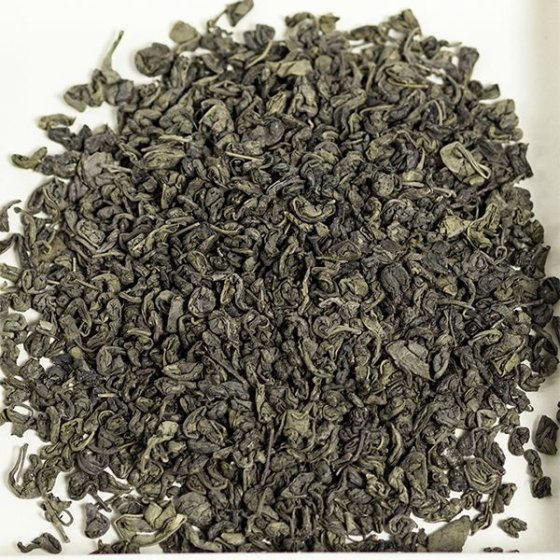
Chun Mee Green Tea Benefits: Why This Curved-Leaf Chinese Tea Is Loved Worldwide

Green tea has many varieties, but Chun Mee green tea is one of the most widely consumed in the world—especially across Africa, Europe, and Central Asia. Known for its slightly curved “eyebrow-shaped” leaves, Chun Mee tea delivers a refreshing taste and a wide range of health benefits.

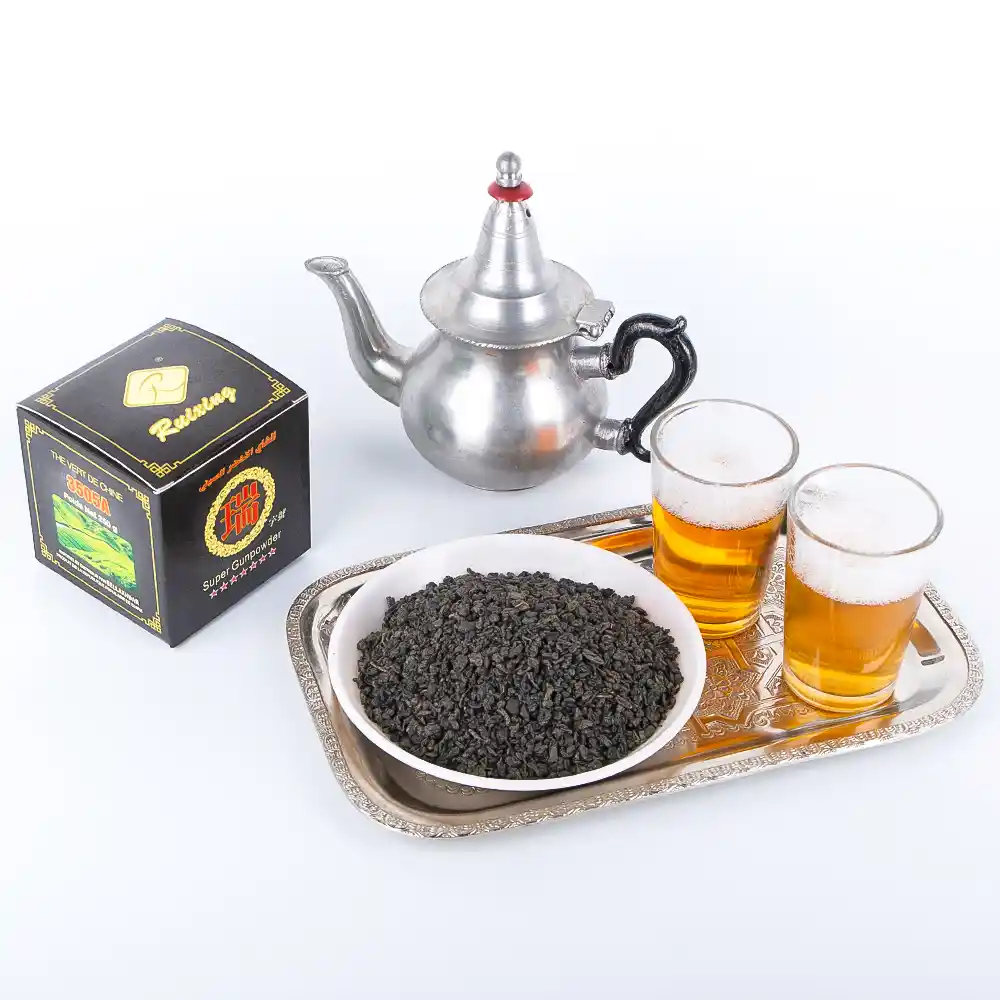
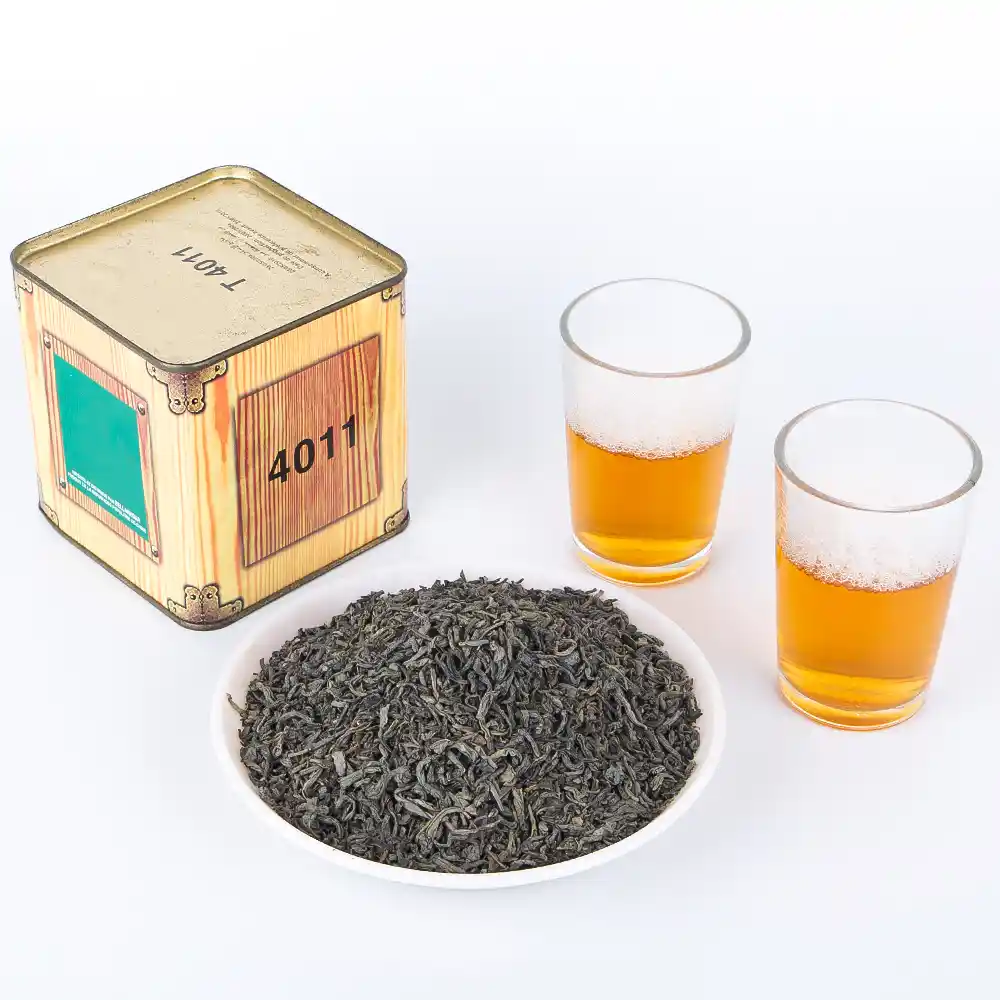
chunmee tea grades from Ruixing tea factory

But beyond its flavor and popularity, many people ask:

  • Is Chunmee tea healthy?
  • What benefits does Chunmee green tea actually provide?
  • Is it different from other green teas?

This guide answers those questions clearly and simply. By the end, you’ll understand exactly why Chunmee green tea has been valued for centuries.

FeatureDescription
Tea TypeChina Green Tea
Leaf ShapeCurved, eyebrow-shaped leaves
OriginChina
Popular MarketsAfrica, Europe, Central Asia
Brewing ColorLight yellow green to red brown after boiling with sugar

8 Proven Benefits of Chunmee Green Tea

1. Rich in Antioxidants

One of the biggest reasons people drink Chunmee tea is its high antioxidant content. Green tea contains natural compounds called polyphenols, particularly catechins, which help protect the body from oxidative stress. Oxidative stress can contribute to: Aging, Hear disease, Inflammation and Cell damage. Drinking antioxidant-rich tea like Chun mee may help the body neutralize harmful free radicals.

Key antioxidants in Chunmee tea:

AntioxidantBenefit
CatechinsProtect cells from damage
EGCGSupports metabolism and heart health
FlavonoidsHelp reduce inflammation
green tea benefits

2. Supports Heart Health

Regular green tea drinkers often show lower risk of cardiovascular disease. Chun mee green tea may support heart health by helping to: improve blood circulation, lower LDL (“bad”) cholesterol, support healthy blood pressure. Studies suggest that green tea compounds can help reduce plaque buildup in arteries, which may contribute to long-term heart health.

3. Helps Boost Metabolism

Chun mee green tea contains a natural combination of: Caffeine and Catechins. Together, these compounds may help support metabolism and fat oxidation. This is one reason green tea is often included in healthy lifestyle and weight management routines. owever, it’s important to remember: Green tea is not a miracle weight-loss drink—it works best when combined with a healthy diet and regular exercise.

4. Improves Mental Focus

Chunmee tea provides a gentle caffeine boost, making it a great alternative to coffee. Unlike coffee, green tea also contains L-theanine, an amino acid that helps promote calm focus.

Benefits for the brain

CompoundEffect
CaffeineIncreased alertness
L-theanineRelaxed concentration
CatechinsNeuroprotective support

The combination can produce steady energy without the strong caffeine crash

brewing chun mee tea

5. Supports Digestive Health

In many cultures, green tea is consumed after meals. Chun mee tea may help: aid digestion, reduce bloating and support gut health. Its mild astringency can help balance rich or oily foods. This is one reason Chunmee tea is commonly served with traditional meals in many countries.

6. Helps Support the Immune System

Green tea contains natural antibacterial and antiviral compounds. Regular consumption may help the body: Strengthen immune defense, Reduce inflammation and Fight harmful microbes. The antioxidants in Chun mee tea may also support the body’s natural healing processes.

7. May Help Maintain Healthy Skin

The antioxidants in green tea may also benefit the skin. Potential skin-related benefits include:

  • Protecting skin cells from environmental damage
  • Supporting natural collagen production
  • Reducing inflammation

Some skincare products even use green tea extract for these reasons.

8. A Natural Low-Calorie Healthy Beverage

One of the simplest benefits is also one of the most important: Chunmee green tea contains almost zero calories. Replacing sugary drinks with green tea can help reduce:

  • Sugar intake
  • Empty calories
  • Artificial additives

A daily cup of Chun mee tea is therefore a simple step toward healthier hydration.

enjoy a cup of green tea everyday keep doctor away

What Makes Chunmee Tea Different From Other Green Teas?

Chunmee tea sits between delicate and strong, which makes it appealing to many tea drinkers worldwide

Tea TypeFlavorLeaf ShapeStrength
Chunmee teaSlightly fresh mellowCurved eyebrow shapeMedium
Gunpowder teaBold, smokyRolled pelletsStrong
Longjing (Dragon Well)Smooth, chestnutFlat leavesMild

Chunmee green tea is more than just a traditional Chinese beverage—it is a nutritious, refreshing drink enjoyed worldwide. Its benefits include:

  • Powerful antioxidants
  • Heart health support
  • Improved focus
  • Metabolism support
  • Digestive benefits

Combined with its smooth taste and simple brewing process, Chun mee tea remains one of the most accessible and enjoyable green teas available today. For anyone looking to add a healthy daily beverage to their routine, Chun mee green tea is a timeless choice.

Thanks for your time and any questions welcome to inquire.

Gunpowder Green Tea Health Benefits: Why This Chinese Tea is Popular Worldwide?

Gunpowder Green Tea is one of the most widely exported Chinese green teas in the world. Known for its tight pearl-shaped leaves and strong flavor, this tea is especially popular in Africa, Europe, and Central Asia where it is often consumed daily or used for Moroccan mint tea.

Beyond its distinctive taste and appearance, Gunpowder Green Tea offers many health benefits, thanks to its high concentration of antioxidants, catechins, and natural nutrients.

For tea importers, wholesalers, and consumers, understanding these benefits helps explain why Gunpowder tea continues to dominate the global green tea trade.

What is Gunpowder Green Tea?

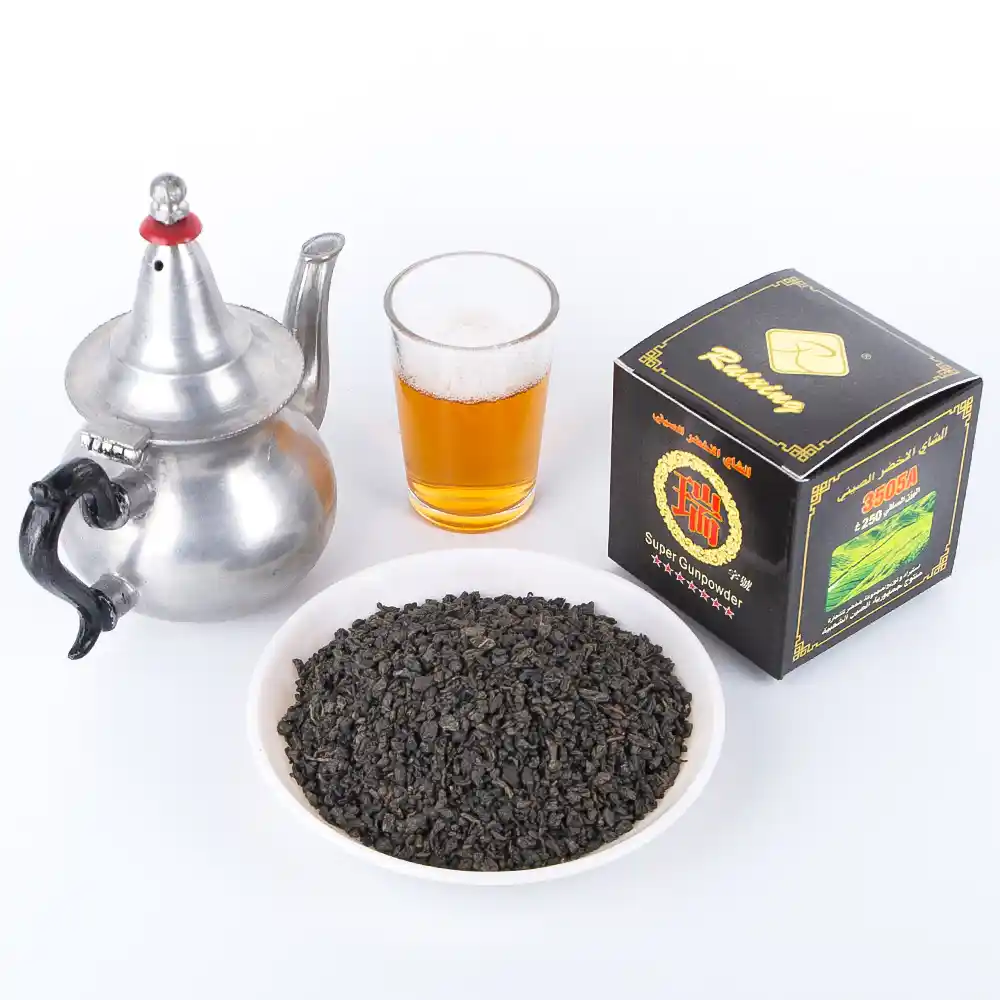
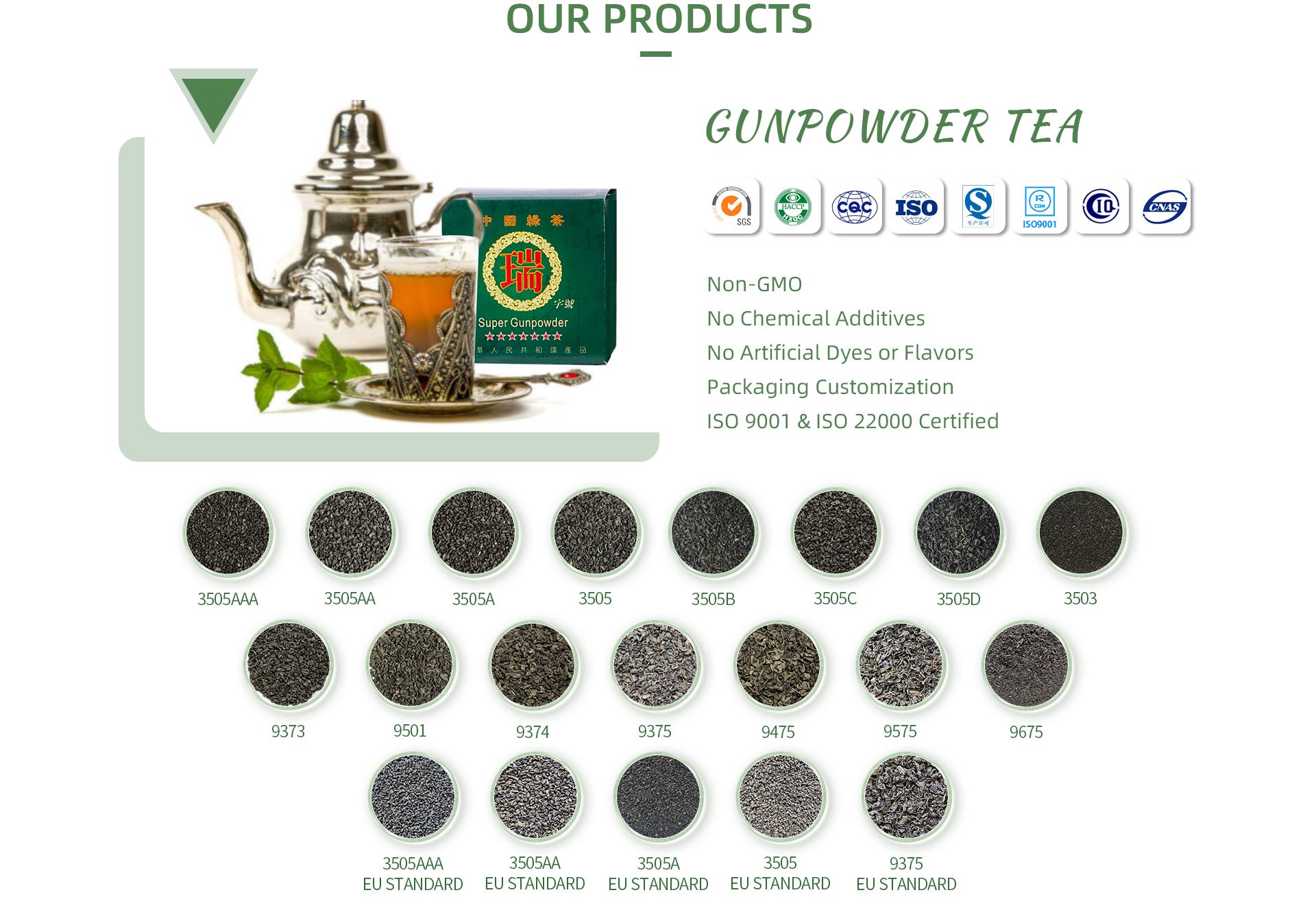
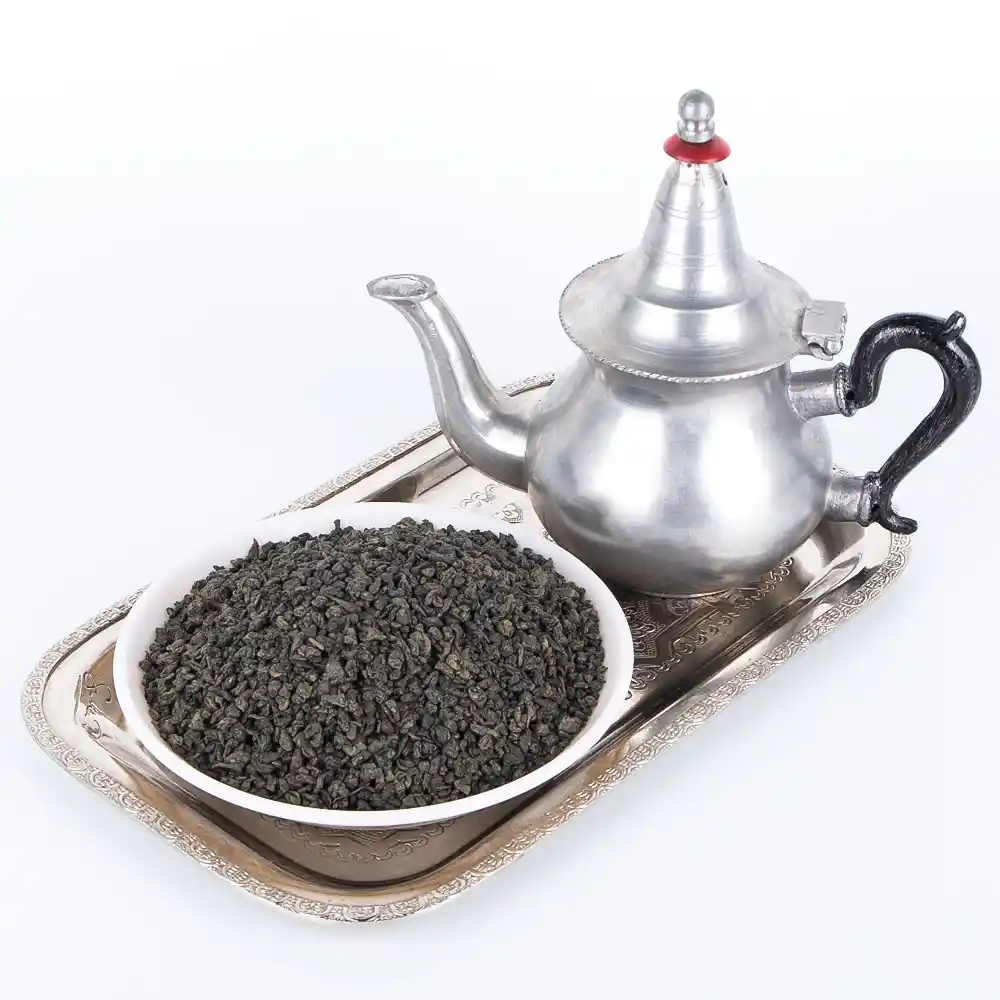
different grades for gunpowder green tea

Gunpowder Green Tea is a traditional Chinese green tea where each leaf is carefully rolled into small round pellets resembling gunpowder grains, which is how the tea got its name.

This rolling process helps:

  • Preserve freshness
  • Protect flavor during long-distance export
  • Maintain quality during storage

When brewed, the pellets slowly unfold, releasing a bold, slightly smoky, and refreshing taste.

Major exporting grades include:

GradeDescriptionPopular Markets
Gunpowder 3505Premium export gradeAfrica, Europe, Central Asia
Gunpowder 9375Small pellets, strong flavorMorocco, France, Uzbekistan
Gunpowder 9475Large pellets, mild tasteCentral Asia
Gunpowder 9501Medium grade, balanced tasteCentral Asia

Top Health Benefits of Gunpowder Green Tea

green tea leaves benefits

1. Rich in Antioxidants

Gunpowder tea contains high levels of catechins and polyphenols, powerful antioxidants that help protect the body from free radicals.

Potential benefits include:

  • Slowing aging processes
  • Supporting immune health
  • Reducing inflammation

2. Supports Heart Health

Studies suggest that regular green tea consumption may help:

  • Lower LDL cholesterol
  • Improve blood circulation
  • Support healthy blood pressure

This is one reason why green tea is commonly consumed daily in many cultures.

3. Helps Boost Metabolism

Green tea naturally contains caffeine and catechins, which can support metabolism and fat oxidation.

Benefits include:

  • Increased energy levels
  • Support for weight management
  • Improved fat metabolism

4. Enhances Mental Focus

The combination of moderate caffeine and L-theanine helps improve concentration without the jittery effect often associated with coffee.

Many people drink Gunpowder tea:

  • In the morning
  • During work hours
  • After meals

5. Supports Digestive Health

In many African and Middle Eastern countries, green tea is consumed after meals to aid digestion.

Gunpowder tea may help:

  • Improve digestion
  • Reduce bloating
  • Refresh the palate after heavy meals

Nutritional Components of Gunpowder Green Tea

ComponentFunctionHealth Value
CatechinsAntioxidantsProtect cells
PolyphenolsAnti-inflammatorySupport immune system
L-TheanineAmino acidPromotes calm focus
CaffeineNatural stimulantBoosts alertness
Vitamins (B, C)Nutritional supportSupports metabolism

Why Gunpowder Tea is Popular in Africa, Europe, and Central Asia?

Several factors explain the strong demand in these regions:

Strong Flavor

Gunpowder tea has a bold and slightly smoky taste, ideal for blending with mint or sugar.

Long Shelf Life

The tightly rolled leaves protect aroma and freshness, making it suitable for export.

Cost-Effective

Compared with many specialty teas, Gunpowder tea offers excellent value for large-scale consumption.

Perfect for Mint Tea

In Morocco and North Africa, Gunpowder tea is the traditional base for mint tea.

Want to know more about Gunpowder tea or Chunmee tea, clink here.

Thank you so much for your value time. Any questions please feel free to contact us !

What is Gunpowder Green Tea?

Gunpowder Green Tea is a traditional Chinese green tea known for its distinctive small, tightly rolled pellets that resemble gunpowder grains. The leaves are carefully rolled during processing, which helps preserve freshness and flavor for long-distance export.

When brewed, the pellets slowly unfurl, releasing a bold, slightly smoky, and refreshing taste.

Gunpowder tea has been exported from China for centuries and remains one of the most popular green teas in Africa, Europe, and Central Asia, especially for Moroccan mint tea.

Characteristics of Gunpowder Tea

FeatureDescription
Tea TypeChina Green Tea
ShapeTightly rolled pellets
ColorDark green to yellow grey green
AromaFresh, slightly smoky
TasteStrong,mellow
Brewing ColorLight yellow green to red brown
Main Export MarketsMorocco, Algeria, Mauritania, Uzbekistan, France, Belgium

Why is it Called Gunpowder Tea?

The name Gunpowder Tea comes from the appearance of the leaves.

During production, fresh green tea leaves are:

  1. Withered
  2. Pan-fired
  3. Rolled into tight pellets
  4. Dried

The final shape resembles tiny gunpowder grains, which inspired the English name.

This rolling technique also helps the tea:

  • Retain freshness longer
  • Maintain strong flavor
  • Resist breakage during shipping

This is one reason why Gunpowder tea is ideal for export markets.

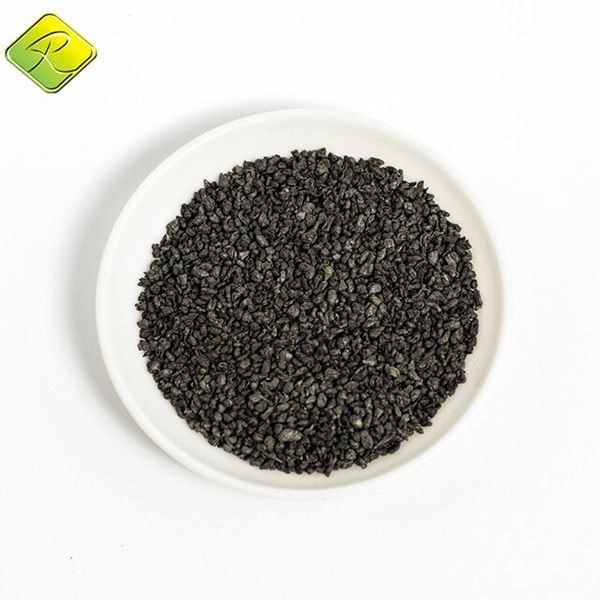
gunpowder green tea pellets

Gunpowder Tea Grades (Common Export Grades)

Different grades are available depending on leaf size, appearance, and flavor strength.

GradeDescriptionPopular Markets
Gunpowder Tea 3505 TOP, 3505AA, 3505A, 3505High grade with uniform pelletsAfrica, Europe
Gunpowder Tea 505A, 505High grade with bigger size pelletsAfrica, Europe, Central Asia
Gunpowder Tea 3505B, 3505C, 3505DMedium pellet size, strong tasteAfrica, Europe
Gunpowder Tea 9375Large pellets, mild flavorAfrica, Middle East,Central Asia
Gunpowder Tea 9475Larger leaf, softer taste with few tea stemsCentral Asia like Uzbekistan
Gunpowder Tea 9501Premium grade with few tea stemsCentral Asia like Uzbekistan
Gunpowder Tea 9675Low grade tea with few tea stems and leavesCentral Asia like Turkmenistan

Factories in China usually produce these grades for bulk export and private label packaging.

chinese gunpowder tea leaves

How to Brew Gunpowder Green Tea

StepInstruction
Tea Amount3–5g
Water Temperature100°C
Steeping Time2–3 minutes
Water Volume200–250ml

Tips:

  • High-grade gunpowder tea can be brewed multiple times
gunpowder tea brewing
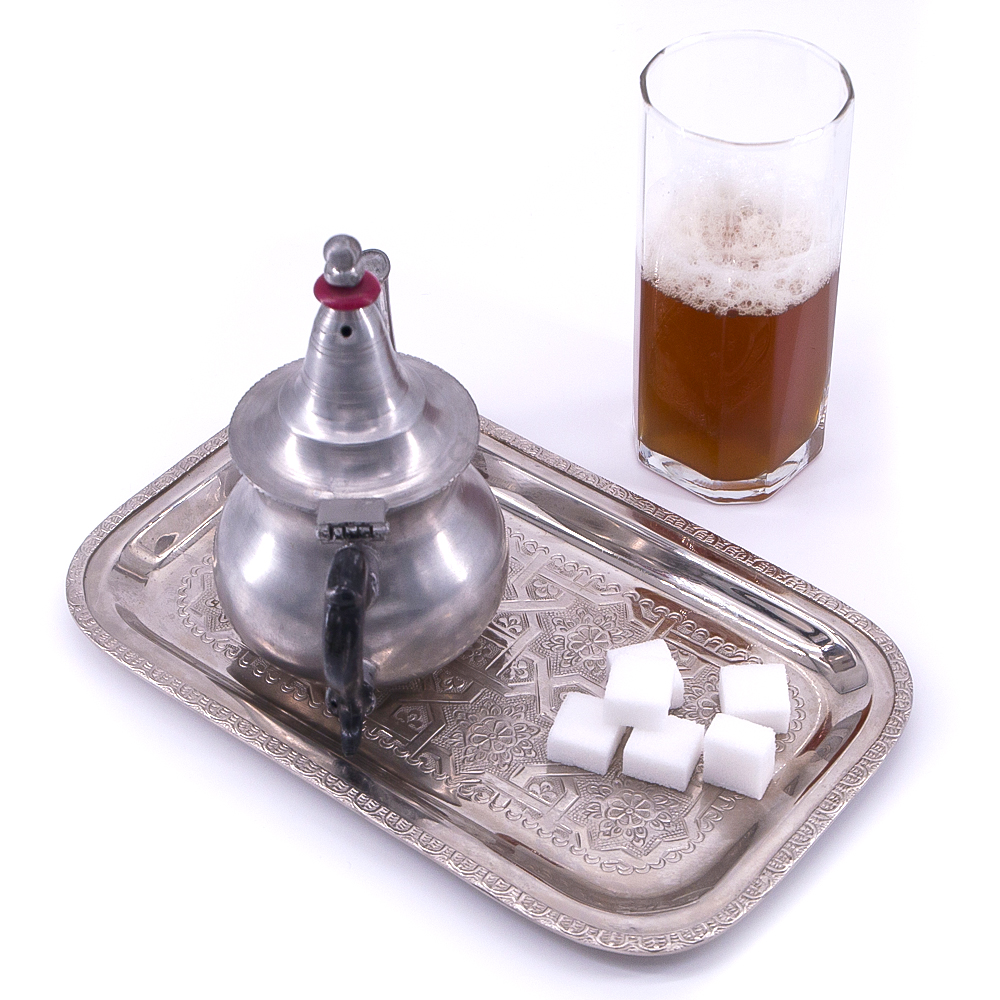
moroccan mint tea gunpowder

Why Import Gunpowder Tea from China?

China remains the largest producer and exporter of Gunpowder green tea.

Benefits of sourcing from Chinese factories include:

  • Stable supply capacity
  • Competitive wholesale prices
  • Multiple export grades available
  • OEM & private label packaging

For tea importers, Gunpowder tea is a high-volume, fast-moving product in many markets.

FAQ – Gunpowder Green Tea

1. Is Gunpowder tea stronger than other green teas?

Yes. Due to its rolled leaves, Gunpowder tea usually produces a stronger and more concentrated infusion than many loose-leaf green teas.

2. Is Gunpowder tea good for Moroccan mint tea?

Yes. Gunpowder tea is the traditional base tea for Moroccan mint tea.

3. Is Gunpowder tea good for weight loss?

Gunpowder tea may support weight loss efforts through its combination of EGCG catechins and caffeine, which can boost metabolism and increase fat oxidation. However, it is most effective when combined with a healthy diet and regular exercise.

4. How should I store Gunpowder tea?

Store Gunpowder tea in an airtight, opaque container in a cool, dry place away from sunlight, heat, and strong odors. Properly stored, it will maintain its quality for 3-10 years.

5.What is the difference between Gunpowder tea and Chunmee tea?

You can find difference in this article “From China to Africa and Europe: Why Chunmee Tea and Gunpowder Tea Are So Popular”

6. Where does the best Gunpowder tea come from?

Traditionally, the finest Gunpowder tea originates from Zhejiang Province, China, particularly the Pingshui tea district. Shengzhou city is the largest processing and distribution center, handling approximately 60% of China’s Gunpowder tea exports.


Thank you so much for your value time.
Any questions please feel free to contact us !

From China to Africa and Europe: Why Chunmee Tea and Gunpowder Tea Are So Popular

From the misty mountains of Zhejiang to tea shops across Africa and Europe, China green tea continues to inspire connection, wellness, and trade. Among the many varieties, Gunpowder Tea and Chunmee Tea stand out for their rich history, unique flavor, and high export demand. For tea importers, wholesalers, and distributors, understanding their differences can help tailor the perfect selection for each market.

The Elegance of Chunmee Tea

Chunmee Tea—literally “Precious Eyebrow Tea” for its gracefully curved leaf shape—offers a softer, more refined flavor. In export trade, Chunmee tea is known for its:

  • Strip‑shaped leaves, neatly rolled
  • Slightly grey‑green or yellow‑green dry appearance
  • Clear, bright liquor in the cup
  • Slightly smoky aroma
different grades for chunmee green tea from ruixingtea

(For more information about chunmee tea, you can check this article ” What Is Chunmee Tea? “)

What Makes Gunpowder Tea Unique

Gunpowder Tea, known in Chinese as Zhu Cha (珠茶), gets its name from its tightly rolled appearance, resembling tiny pellets of gunpowder. This tea is traditionally produced in Zhejiang Province, where producers have perfected the art of pan-firing leaves to preserve freshness and flavor. Commercially, Gunpowder is recognized for:

  • Round, bead‑like pellets with a tight roll
  • Higher density and heavier feel compared with Chunmee
  • Stronger, fuller taste in the cup
  • Good stability during long storage and transport

Gunpowder tea is especially popular in markets that prepare traditional mint tea with sugar, such as Morocco and surrounding regions, and it is also used in Europe for blends and tea boxes. For green tea importers, Gunpowder Tea’s distinct appearance and versatility make it easy to market across both traditional and modern tea cultures.

different gunpowder tea grades from Ruixing tea

(For more information about gunpowder tea, you can check this article “What Is Gunpowder Tea 3505?” “What is Gunpowder tea? “)

Taste and Brewing Differences

Both types share a common origin—centuries-old tea-making traditions—but serve different market needs:

  • Chunmee tea
    • Brisk, sharp, and lively
    • Often slightly more astringent but refreshing
    • Very suitable for daily drinking, tea bags, and lighter blends
    • Tea soup is clearer
  • Gunpowder tea
    • Fuller body and stronger taste
    • Can show a hint of smokiness depending on the grade
    • Ideal as a base for Moroccan mint tea and other flavored or sweetened styles
    • More resistant to brewing
    • Feel more filling after drinking.

For importers and distributors, offering both allows flexibility to meet diverse consumer tastes across regions.

Market Preferences in Africa

In North Africa and West Africa, both Chunmee tea and Gunpowder tea have strong positions, but usage can be different from country to country.

  • In North Africa such as Morocco, Algeria, Gunpowder tea is preferred for traditional mint tea recipes where sugar and fresh mint are added. The stronger Gunpowder base ensures the tea flavor is still clear after adding other ingredients.
  • Chunmee tea is often used for daily plain drinking or for consumers who prefer a cleaner, sharper green tea without too much heaviness. Nowadays more and more importers prefer chunmee tea as their main goods.
chunmee tea soup color

Many wholesalers and brands keep both Chunmee tea and Gunpowder tea so they can serve different price levels and taste preferences in the same market.

Market Preferences in Europe

In Europe, Chunmee tea and Gunpowder tea also play important roles, but buyers usually face stricter requirements on documentation and compliance.

  • Chunmee tea in Europe
    • Used for tea boxes, loose packs, and ethnic channels
    • Often positioned as traditional Chinese green tea with a clean, brisk profile
    • European buyers focus more on residue limits, certificates, and retail‑ready packaging
  • Gunpowder tea in Europe
    • Popular for mint blends and flavored teas
    • Used both in ethnic distribution and mainstream supermarkets
    • Buyers look for stable pellet size, good cup color, and strong but clean flavor

For European importers, the choice between Chunmee tea and Gunpowder tea is often not “either‑or,” but how to balance their range and ensure all products meet local regulations. A reliable China green tea exporter should be able to support you with test reports, certifications, and flexible packing options.

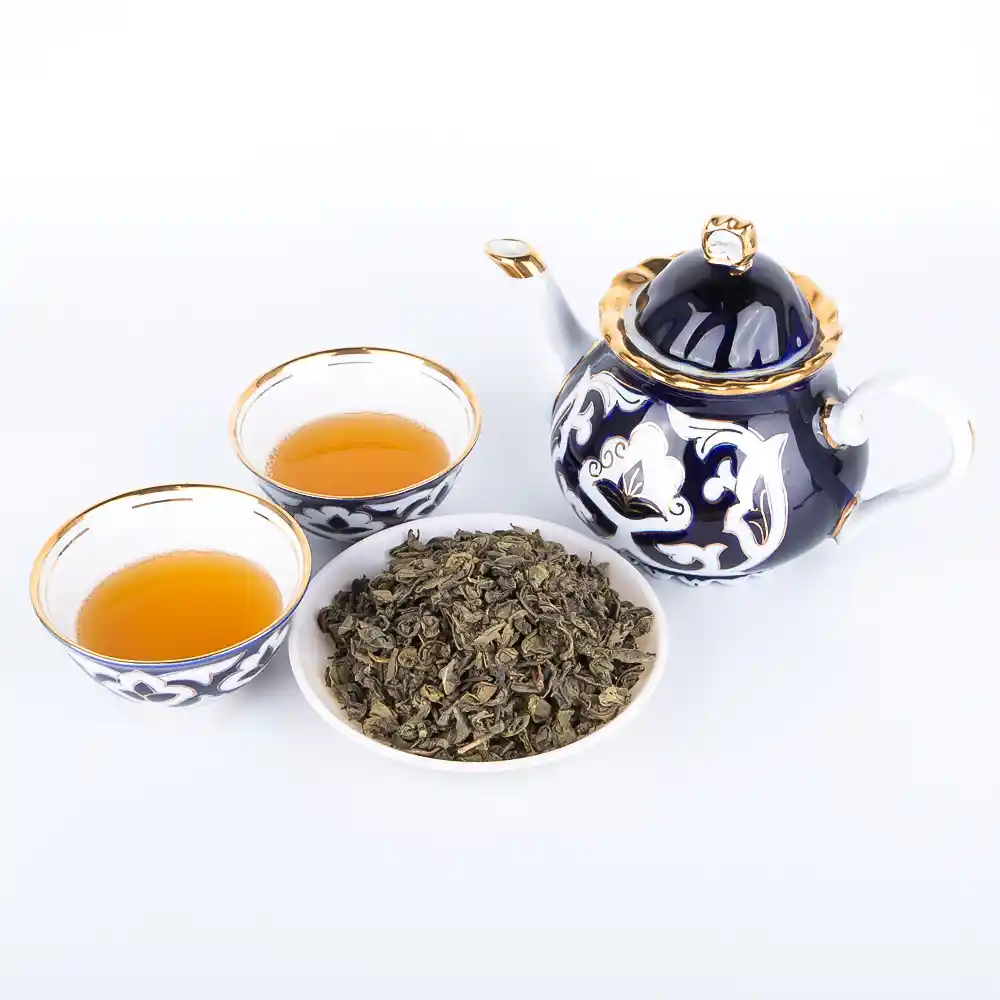
eu standard green tea soup from ruixingtea

What Is Chunmee Tea? Guide for Africa & Europe Importers

Chunmee tea is one of the most important export styles of China green tea, especially for African and European markets. For tea wholesalers and importers, it is a core, high‑volume product with stable demand and clear grading standards. Understanding what Chunmee tea is—and how to choose the right supplier—can help you build long‑term, container‑scale business with fewer quality risks.

A professional Chinese chunmee tea supplier does not only sell tea leaves. It manages raw material, processing, grading, packing, and export documentation in a way that fits the needs of importers in Morocco, Algeria, West Africa, France, Spain, and other EU destinations. In this article, we explain Chunmee tea from a factory point of view, so you can evaluate products and partners more easily.

What Is Chunmee Tea?

The name “Chunmee” means “precious eyebrow” in Chinese, describing the fine, curved shape of the dry leaves. A good Chunmee tea shows:

  • Slim, eyebrow‑shaped strips
  • Uniform, slightly grey‑green or yellow‑green color
  • Clean, low‑dust appearance
Ruixing tea chunmee tea 41022AAA

In the cup, Chunmee tea gives a clear liquor, brisk and lively taste, and a slightly tangy astringency with a light sweetness in the aftertaste. It is a fried green tea with minimal oxidation, which helps keep a fresh, green profile that many African and European consumers already recognize.

eu standard chunmee tea brewed by tea pot and its tea soup with bright yellow green color with rich bubble

For B2B buyers, Chunmee tea is not just a style; it is a standardized trade category. Different grades and profiles are used in loose tea, tea bags, supermarket lines, and traditional consumption channels across North and West Africa and Europe.

Main Export Markets: Africa and Europe

Chunmee tea is a standard item in many African and Middle Eastern markets and has growing demand in Europe.

  • North Africa and West Africa
    Countries such as Morocco, Algeria, Mali, Senegal, Mauritania and others import large volumes of Chunmee tea for loose sale, branded packs, and supermarket labels. Local brands often combine Chunmee tea and Gunpowder tea in their portfolios, using Chunmee tea where a slightly lighter body and sharper taste are preferred.
  • Europe
    In Europe, Chunmee tea is imported both for ethnic channels (North African communities) and for mainstream retail, often with stricter documentation and residue control. European buyers pay close attention to certifications, test reports, and packaging standards from their China green tea exporter partners.

For both regions, a factory with real export experience can adjust grades, packing, and testing to match different import requirements.

How Chunmee Tea Is Produced?

From a factory perspective, producing stable Chunmee tea for export involves several key steps:

  1. Raw leaf selection
    Selecting suitable fresh leaves from trusted tea gardens in provinces like Zhejiang, Anhui, and Jiangxi, which are traditional bases for export green tea.​
  2. Rolling and shaping
    Carefully rolling the leaves into eyebrow‑like strips. This step largely determines the final shape and commercial grade.
  3. Drying
    Controlled drying to reach safe moisture levels, improve shelf life, and prepare the tea for long‑distance shipping.
  4. Grading and sorting
    Sorting by size, shape, color, and cleanliness into grades such as 41022, 4011, 9371, 9366, etc., which are familiar to buyers in Africa and Europe.

The fine processing of chunmee tea consists of a combination and arrangement of basic operations such as sieving, cutting, winnowing, sorting, and drying (including color processing) as below pictures show.

A professional China chunmee tea supplier uses a mix of experienced workers and modern machines to keep quality stable across large volumes and multiple shipments.​

Typical Chunmee Grades for Importers

In international trade, you will often see Chunmee grades like:

  • 41022 (including higher AAA selections)
  • 4011
  • 9371
  • 9366 / 9367
  • Other customized or local grades
Ruixing tea chunmee tea different grades with normal standard and Eu standard

These grades differ in leaf thickness, tightness of curl, color tone, dust content, and cup strength. For example, some North African buyers prefer stronger liquor and deeper color for traditional drinking styles, while some European clients prefer cleaner cups and lighter profiles.

A reliable Chinese green tea exporter should provide photos, physical samples, and tasting notes for each grade so you can match them with your local market preferences.

Flavor Profile and Brewing Suggestions

Chunmee tea is known for:

  • Bright liquor
  • Toasty high fire aroma
  • Brisk, sharp taste with controlled astringency
  • Strong in the aftertaste when brewed correctly

Because Chunmee tea can be quite strong, brewing parameters matter. Many professional buyers recommend:

  • 1. Put 10 to 15g of green tea directly to the teapot.
  • 2. Pour approximately 10 cl of boiling water into the teapot.
    3. Leave for 1 minute, then stir the teapot to rinse better, using light circular motions
  • 4. Dump the water
  • 5. Fill the teapot three-quarters full with boiling water
  • 6. Add the sugar in pieces to your liking. Place fresh mint leaves directly into the teapot
  • 7. Let infuse for 3 to 5 minutes
  • 8. Stir well and serve

Sharing proper brewing guidelines with your customers can improve end‑consumer satisfaction and reduce taste‑related complaints, especially when you upgrade them to higher grades from your china chunmee tea supplier.

Ruixing Tea chunmee tea soup color is more brown read with rich bubble

What Wholesalers and Importers Should Check

When you evaluate Chunmee tea offers, consider:

  • Leaf appearance: Are the strips clean and even, with minimal stems and dust?
  • Color and uniformity: Does the tea match the visual style your customers are used to?
  • Liquor strength and taste: Is the cup profile suitable for African or European consumers in your segment?
  • Cleanliness and safety: Moisture, impurities, and residues should meet your national regulations and buyer requirements.
  • Consistency: Can the Chinese green tea exporter repeat the same quality across containers and seasons?

Long‑term business in Africa and Europe depends heavily on stability. If quality changes too much from shipment to shipment, brands and wholesalers may lose shelf space or customer trust.

The Role of a Professional China Chunmee Tea Supplier

Working directly with a factory‑level china chunmee tea supplier gives wholesalers and importers much more control than buying only through traders.

A strong factory partner can:

  • Recommend suitable Chunmee grades for North African vs. European markets.
  • Adjust blends and grades according to your target price, cup profile, and brand positioning.
  • Offer OEM / private label packing in bulk sacks, cartons, retail boxes, and tea bags.
  • Provide export documents, test reports, and certifications required by African and European customs and retailers.
  • Coordinate production and shipment schedules around your peak seasons, helping you avoid stock‑outs.

As an experienced Chinese green tea exporter, we understand that buyers in Morocco, Algeria, West Africa, and Europe face different challenges: price competition, quality stability, and regulatory pressure. By combining flexible product options with consistent factory control, we help you focus on growing sales while we take care of the tea.

Ruixing Tea has dedicated in Develop,Manufacturing Gunpowder Tea and chunmee Tea with customized packaging over 25 Years.

How Chunmee Tea Supports Your Business Growth

For wholesalers and importers in Africa and Europe, Chunmee tea can be a long‑term anchor product in your portfolio:

  • It is familiar to consumers and has strong repeat‑purchase behavior.
  • Clear grading and pricing structure make it easy to build multiple SKUs at different price levels.
  • It works in loose formats, tea bags, and blended products.
  • It complements Gunpowder tea and other green teas, allowing you to offer a complete Chinese green tea range to your customers.

With the right China chunmee tea supplier and Chinese green tea exporter, chunmee tea becomes more than a commodity. It becomes a stable, scalable category that supports container‑level business, predictable margins, and deeper cooperation with your downstream customers.

Call to Action for Wholesalers and Importers

If you are importing for Africa or Europe and want to optimize your Chunmee tea supply, we can support you from sampling to shipment:

Recommend grades based on your current market and competitors.

Provide fast samples and clear specifications for your evaluation.

Support bulk orders, mixed containers with Chunmee tea and Gunpowder tea, and private label packing.

Contact Us

China Green Tea Supplier for Gunpowder tea & Chunmee tea – Direct Factory OEM Exporter to Middle East, Africa, Europe

What Is a Reliable China Green Tea Supplier?

A reliable China green tea supplier provides consistent quality Gunpowder tea and Chunmee tea, transparent grading, and stable bulk capacity, backed by HACCP/ISO certifications and proven export records to main consuming countries. For B2B buyers, the ideal partner is a factory‑based exporter in regions like Zhejiang with competitive pricing, flexible OEM/private label packaging, and familiarity with trade terms such as FOB and CIF for Africa, the Middle East, and Europe.

Key characteristics of a strong China green tea supplier:

  • Own or tightly controlled factory in green tea origins such as Zhejiang
  • Focus on Gunpowder tea (3505, 9501, 9475, 9375, Temple of Heaven, etc.) and Chunmee tea (41022, 4011, 9371, etc.)
  • HACCP and ISO quality systems, with clear moisture, color, and leaf grade standards
  • Experience exporting to Morocco, North/West Africa, Middle East, and European markets
  • OEM/private label capabilities (bulk sacks, cartons, retail boxes, branded packs)
  • Ability to quote stable prices and manage seasonal harvest and freight fluctuations

What Is Gunpowder Tea?

Gunpowder tea is a traditional Chinese green tea where leaves are tightly rolled into small pellets that resemble grains of gunpowder, producing a strong, brisk, and slightly smoky cup when infused. It is widely produced in provinces like Zhejiang and is particularly popular in North Africa and parts of the Middle East and Central Asia, where it forms the base of mint tea and blended green tea products.

Gunpowder green tea in trade context:

  • Typical grades: 3505AAA, 3505AA, 3505A, 3505, 3505B, 3505D, 9501, 9373, 9375, 9475, 9575, 9675 “Temple of Heaven” (premium)
  • Appearance: round pellets, uniform size, grey‑green to dark green color
  • Cup profile: strong body, slightly smoky, suitable for blending with mint or sugar
  • Markets: Morocco, Algeria, Mali, Mauritania, Senegal, Uzbekistan and European ethnic channels.

What Is Chunmee Tea?

Chunmee (“precious eyebrow”) is a Chinese green tea with leaves shaped into fine, curved strips that resemble eyebrows, known for its clear liquor, bright color, and more delicate, slightly tangy taste compared with Gunpowder. It is one of the main fried green teas produced in provinces such as Zhejiang, Anhui, and Jiangxi and is a standard item in African and Middle Eastern markets.

Chunmee green tea in trade context:

  • Typical grades: 41022, 4011, 9371, 9366, 3008, etc.
  • Appearance: slim, curved leaves, grey‑green color with some sheen
  • Cup profile: lighter body, bright taste, slightly astringent and clean
  • Markets: many African countries and Middle Eastern buyers use Chunmee tea for both loose and packed retail tea.

Gunpowder Tea vs Chunmee Tea

These two teas dominate the “bulk China green tea” export business, but they serve slightly different price points, tastes, and applications.

Core differences

  • Flavor
    • Gunpowder tea: stronger, fuller body, sometimes slightly smoky; good for mint blends and high‑strength brews.
    • Chunmee tea: lighter, brighter, more tangy and astringent, often perceived as “cleaner” for straight green tea.
  • Appearance
    • Gunpowder tea: tightly rolled pellets, more spherical.
    • Chunmee tea: curved eyebrow‑shaped strips, thinner and longer.
  • Market demand
    • Gunpowder tea: very high demand in Morocco and North/West Africa, often container‑scale volumes.
    • Chunmee tea: strong demand across Africa and parts of the Middle East, widely used by local brands and supermarket lines.
  • Pricing
    • Gunpowder tea: usually slightly higher due to additional rolling and specific consumption habits, especially for better grades like Temple of Heaven.
    • Chunmee tea: more price‑segmented with many grades (41022, 4011, 9371) allowing both value and premium positioning.

Quick comparison table

AspectGunpowder TeaChunmee Tea
ShapeTightly rolled pelletsCurved eyebrow‑shaped strips
Typical grades3505, 9501, 9475, 9375, Temple of Heaven41022, 4011, 9371, 9366, 3008
FlavorStrong, full‑bodied, slightly smokyLight to medium, bright, slightly tangy
Key marketsMorocco, Algeria, West Africa, EuropeAfrica, Middle East, global ethnic channels
Price positioningOften medium to higher within green teasWide range from economy to premium
Ruixing green tea

How to Choose a Reliable China Green Tea Supplier

For serious B2B buyers, choosing a china green tea supplier is less about a pretty catalogue and more about factory control, export know‑how, and the ability to keep quality stable across seasons.

1. Factory vs trader

  • Prefer suppliers with their own factories or long‑term contracted plants in Zhejiang/Anhui so they control processing and sorting.
  • Factory‑based exporters usually offer more stable Gunpowder tea/Chunmee tea quality and better traceability than pure traders.

2. Certifications and quality systems

  • Look for ISO and HACCP certifications, which demonstrate documented production control and hygiene standards.​
  • Ask for lab reports on moisture, pesticide residues, and physical parameters if your market (e.g., EU) has stricter regulations.

3. Export experience

  • A good supplier regularly ships to your region (Morocco, Africa, Middle East, Europe, Central Asia) and understands local taste profiles and customs clearance requirements.
  • Check if they can handle trade terms like FOB Ningbo or CIF major ports in Africa, Middle East and Europe.

4. MOQ and flexibility

  • Typical MOQs range from one mixed container (e.g., 1×20’ or 1×40’) to specific tonnage per grade.
  • The better suppliers can mix Gunpowder tea and Chunmee tea grades in one container to help new buyers test the market.

5. Packaging options

  • Confirm if they can supply both bulk export packs (e.g., 20-25kg cartons, 30–50kg woven sacks) and private label retail boxes or pouches.
  • For supermarket supply chains, insist on detailed packaging specs, barcoding, and carton labelling compliant with importer regulations.

Grades & Standards Explained

Gunpowder tea and Chunmee tea trade heavily on numerical grades, which reflect leaf size, tenderness, and appearance rather than taste alone.

Gunpowder grades (examples)

  • 3505 different grades: Common export grade, good pellet uniformity, widely used in Africa (Morocco, Algeria) and Europe.
  • 9501 / 9373/ 9475 / 9375/ 9575/ 9675: Differ in pellet size and tightness; higher codes often indicate better sorting and leaf tenderness in specific supplier catalogues.
  • Temple of Heaven grade: Premium Gunpowder with very tight, small pellets and bright liquor, popular in higher‑end segments.
Ruixing green tea

Chunmee grades (examples)

  • 41022 different grades:: Recognized as one of the higher quality Chunmee tea grades with fine, even leaves.
  • 4011: Also high grade, slightly thicker leaf than 41022, targeted at markets needing quality with volume.
  • 9371: More economical, coarser leaf, suitable for value‑driven markets where price is critical.
Ruixing green tea

Because grading conventions vary slightly by factory, experienced buyers always request physical samples, photos, and technical specs before confirming contracts.


Key Buying Factors for B2B Green Tea

When evaluating offers for “gunpowder tea wholesale” or “bulk green tea china”, focus on measurable quality parameters, not only sample taste.

1. Moisture level

  • Ideal export moisture is typically controlled around 6–8% to ensure shelf life and prevent mold during long sea transport.
  • Suppliers should provide moisture test results per batch, especially for shipments to humid climates.

2. Leaf grade and uniformity

  • Check leaf size, percentage of broken or stalky material, and uniformity across the lot.
  • Better uniformity leads to consistent liquor color and taste, which is crucial for brand products and supermarket lines.

3. Color and appearance

  • For both Gunpowder tea and Chunmee tea, a clean grey‑green or dark green color with some luster generally indicates proper processing and storage.​
  • Dull, yellowish, or dusty appearance usually signals older stock or poor handling.

4. Shelf life

  • With correct moisture and packaging, Chinese green tea can maintain quality for 3–10 years in normal warehouse conditions.
  • For longer transit routes (e.g., China to Africa), ask suppliers about container loading, fumigation, and storage practices.

5. Origin

  • Zhejiang and Anhui are classic regions for Chinese green teas, offering established supply chains and experienced processors.
  • Some factories also source from Jiangxi and other provinces to balance price and quality for specific grades.​

Application Markets: Africa, Middle East, Europe

Different regions have distinct preferences for Gunpowder tea and Chunmee tea, and a good exporter understands these nuances.

  • North Africa (Morocco, Algeria, etc.)
    • Strong demand for Gunpowder (especially 3505 and similar grades) as a base for traditional mint tea.
    • Buyers often require consistent liquor strength and color across multiple shipments.
  • West Africa (Mali, Senegal, Mauritania, etc.)
    • Mix of Gunpowder and Chunmee, with well‑known local brands sourcing directly from Chinese factories.
    • Price sensitivity is high, but leaf appearance and cup color still matter for consumer trust.
  • Middle East & Central Asia
    • Growing use of Chunmee tea and Gunpowder tea for both traditional brewing and modern tea bags.
    • Some markets prefer brighter liquor and cleaner flavor, so higher Chunmee tea grades are often specified.
  • Europe
    • Imports both bulk green tea for ethnic channels and EU‑standard, residue‑controlled lots for mainstream retail.
    • European clients tend to demand stricter documentation, testing, and certification.

Packaging & Private Label Options

For OEM/private label and supermarket supply chains, packaging capability is as important as leaf quality.

Typical export packaging for bulk buyers:

  • 20-25kg or 30–50kg paper bags or kraft bags with plastic inner lining
  • Woven polypropylene sacks with inner food‑grade bag
  • Big cartons with multiple inner paper bags for higher‑grade products

Private label / retail options:

  • Printed paper boxes or tins with inner foil bags or sachets
  • Heat‑sealed aluminum or plastic laminate pouches with valves or zippers
  • Tea bags (enveloped or non‑enveloped) using Gunpowder or Chunmee as raw material

A competent china green tea supplier should support artwork checking, barcode printing, language‑specific labelling, and export carton design according to retailer requirements.

Ruixing green tea

Why Choose RUIXING TEA

RUIXING TEA is a dedicated Chinese green tea manufacturer located in Zhejiang, focusing on Gunpowder tea and Chunmee tea production for export markets. The company has more than 25 years of experience and positions itself as an OEM, HACCP/ISO‑certified green tea producer with a strong emphasis on Gunpowder tea and Chunmee tea exports.

Practical advantages for B2B buyers:

  • Direct factory supply: better cost control and stable leaf quality across harvests.
  • Product focus: Gunpowder tea and Chunmee tea lines tailored to African, Middle Eastern, and European markets.
  • Export experience: long‑term shipments of Gunpowder tea and Chunmee tea to Africa and other regions, supplying well‑known local brands.​
  • Certifications: HACCP and ISO systems in place, aligning with supermarket and brand requirements.​
  • OEM/private label: capacity to act as an OEM green tea manufacturer for international brands.
Ruixing green tea

For buyers looking specifically for “gunpowder tea wholesale”, “chunmee tea supplier”, or “bulk green tea china” with private label options, this type of focused manufacturer offers a pragmatic balance between price and reliability.


Expert Insights: Seasonal Prices, Harvests, and Export Risks

Real tea trade is shaped by harvest cycles, logistics, and policy changes—factors that experienced exporters manage daily.

  • Seasonal price fluctuation
    • Early spring (first flush) teas are usually more expensive due to limited output and higher quality, but bulk Gunpowder/Chunmee for Africa and the Middle East is often sourced across several pickings to stabilize cost.
    • Prices can rise before major buying seasons in Morocco and West Africa when multiple importers compete for similar grades.
  • Harvest differences
    • Early harvests give brighter liquor and more tender leaves; later harvests may have slightly coarser leaf but better availability and lower cost.
    • A good supplier blends different lots to maintain a consistent cup, especially for long‑running brands and supermarket labels.
  • Export and logistics risks
    • Freight rate volatility and port congestion can affect CIF offers, so many buyers prefer FOB contracts and control their own shipping.
    • Customs inspections, residue testing, and documentation errors can delay shipments, so working with an exporter with proven routes to Africa, the Middle East, and Europe reduces risk.

For importers, wholesalers, private label buyers, and supermarket chains, the most efficient way to secure stable Gunpowder tea and Chunmee tea supply is to work with a specialized china green tea supplier that owns or closely manages production in Zhejiang and other core regions. A factory‑based exporter like SHENGZHOU RUIXING TEA INDUSTRY CO.,LTD., with HACCP/ISO certifications and long‑term shipments to Africa, the Middle East, Central Asia and Europe, aligns well with the requirements of serious B2B tea buyers seeking both price competitiveness and reliability.


FAQ: China Green Tea Supplier, Gunpowder tea & Chunmee tea

1. What is the difference between Gunpowder and Chunmee tea?
Gunpowder is tightly rolled into pellets with a stronger, sometimes slightly smoky taste, while Chunmee has curved eyebrow‑shaped leaves and a lighter, tangier cup.

2. Which green tea is better for export, Gunpowder tea or Chunmee tea?
Both are strong export items: Gunpowder tea is preferred in Morocco and parts of Africa for mint tea, while Chunmee tea sells widely across Africa and the Middle East with more grade flexibility.

3. How do I choose a reliable china green tea supplier?
Prioritize factory‑based exporters in regions like Zhejiang with HACCP/ISO certifications, proven shipments to your destination, clear grading, and flexible packaging and OEM options.

4. What are common Gunpowder tea wholesale grades from China?
Typical export grades include 3505, 9373, 9374, 9501, 9475, 9575, 9675, and premium Temple of Heaven, each defined by pellet size, tightness, and leaf tenderness.

5. What are common Chunmee tea grades (41022, 4011, 9371)?
41022 and 4011 are higher Chunmee grades with finer, more even leaves, while 9371 is a more economical grade suited to price‑sensitive markets.

6. What certifications should a china green tea supplier have?
For B2B imports and supermarket supply, look for HACCP and ISO systems at minimum, plus residue testing reports where required by local regulations.​

7. How can I import tea from China (trade terms)?
You can purchase under FOB terms (you arrange shipping from a Chinese port) or CIF terms (the supplier includes freight and insurance); experienced exporters regularly handle both for Africa, the Middle East, Central Asia and Europe.

8. What is the usual MOQ (Mimimum order quantity)for bulk green tea from China?
MOQ often start from one container per shipment, with flexibility to combine different Gunpowder tea and Chunmee tea grades depending on supplier capacity and your market test plans.

9. How long can Chinese green tea be stored for export markets?
With proper moisture control and packaging, Gunpowder and Chunmee can generally keep commercial quality for 3-10 years, which suits long sea routes to Africa, the Middle East and Europe.

10. Do you support OEM/private label?
Yes, the company positions itself as an OEM green tea manufacturer with HACCP/ISO systems, supplying Gunpowder tea and Chunmee tea in bulk and branded formats to international buyers.

Ruixing green tea

What Is Gunpowder Tea 3505? Guide for B2B Tea Buyers

Gunpowder tea 3505 is a classic Chinese rolled green tea grade valued for its tight pellet shape, strong cup character, and dependable performance in international trade. For tea importers, wholesalers, and private-label brands, it is a practical commercial grade that balances appearance, flavor, and price. If you are sourcing from a Chinese tea factory, understanding what is gunpowder tea 3505 will help you choose the right product for your market.

Gunpowder tea belongs to the green tea family, but it stands out because the leaves are rolled into small, dense pellets during processing. This shape helps the tea hold its quality during storage and long-distance shipping, which is one reason it has remained a stable export tea for many years. In B2B trade, that combination of visual identity and practical performance makes it a reliable choice.

Top Grade 3505 Gunpowder Tea – Wholesale Loose Leaf Green Tea for Immediate Shipment
China Gunpowder Tea 3505 Factory – HACCP Certified Bulk Green Tea Exporter

What Does 3505 Mean?

The term 3505 is a trade grade reference used to describe a specific type of gunpowder tea. While grading standards can vary slightly from factory to factory, the 3505 grade generally refers to a medium commercial grade with consistent pellet size, solid tea body, and dependable brewing results. Buyers often choose it when they need a tea that performs well in bulk sales, blending, or retail packaging.

Grade matters because it affects how the tea looks in the bag, how it brews in the cup, and how stable it remains during transport. A well-made 3505 grade should have uniform pellets, a clean appearance, and a balanced flavor profile. When buyers search for what is gunpowder tea 3505, they usually want to know whether this grade is suitable for their price target, customer base, and product positioning.

How Gunpowder Tea 3505 Is Made

Gunpowder tea 3505 is produced through a standard green tea process with one important distinction: the leaves are rolled into tight pellets after fixation. Fresh leaves are harvested, then processed through withering, heating, rolling, and drying. The rolling stage gives gunpowder tea its signature shape and also influences its strength and storage behavior.

For a professional tea factory, quality control at every stage is essential. Leaf selection, rolling pressure, drying temperature, and moisture control all affect the final result. If the process is well managed, the tea will have a neat appearance, a clean aroma, and a strong, lively infusion. That is why serious buyers care not only about the grade name, but also about the factory behind it.

After processing, the tea is sorted and graded according to size, tightness, color, and overall uniformity. The 3505 grade is selected because it offers a strong balance between quality and commercial practicality. It is a widely accepted export grade with stable demand in many markets.

Flavor and Brewing Profile

Gunpowder tea 3505 usually delivers a fuller and more assertive taste than delicate flat-leaf green teas. Depending on the raw material and production standard, it may show fresh vegetal notes, a light smoky tone, and a clean finish. The liquor is typically bright and clear, with a stronger tea body that works well for both direct drinking and blending.

This is one reason the grade is popular in markets that prefer a stronger green tea character. It is also widely used in Moroccan mint tea and other regional blends, where a bold tea base is important. For tea buyers, that versatility gives gunpowder tea 3505 a clear commercial advantage.

Brewing also matters. With the right water temperature, tea dose, and steeping time, the cup can stay balanced and pleasant rather than overly bitter. For B2B buyers, sharing brewing guidance with customers can improve satisfaction and reduce complaints, especially in retail and e-commerce channels.

Why B2B Buyers Choose This Grade

For importers and wholesalers, gunpowder tea 3505 offers a practical mix of value and performance. It is often more affordable than higher-end rolled green tea grades, yet still strong enough to satisfy commercial buyers. This makes it a useful choice for bulk distribution, supermarket packaging, tea shop supply, and private-label programs.

Its versatility is another advantage. Gunpowder tea 3505 can be packed in large bags, retail pouches, tins, or blended into signature products. That flexibility gives brands more room to build product lines around one stable base tea. For many buyers, this is more efficient than sourcing multiple small-volume specialty teas.

Consistency is also critical. In tea trade, a supplier who can deliver the same gunpowder tea 3505 quality batch after batch is far more valuable than one offering occasional low prices with unstable results. Repeatable quality supports repeat orders, which is what B2B buyers ultimately need.

What Buyers Should Check Before Ordering

Before placing an order, buyers should review several important points. Pellet tightness, color uniformity, aroma, moisture level, and impurity control all influence the final product quality. These factors become even more important when the tea is exported, since long shipping times can expose weaknesses in processing or packaging.

It is also wise to confirm origin, harvest season, grade standard, and packaging method. A reliable factory should be able to provide samples, specification details, and clear quotation terms. This allows buyers to compare suppliers properly and make sourcing decisions with more confidence.

If your goal is stable sales, choose a supplier with export experience and a strong quality system. A factory that understands international tea markets can communicate more clearly, produce more consistently, and respond more quickly to buyer needs. That kind of supplier relationship is usually more valuable than chasing the lowest price.

Why Work With a Professional Tea Factory

A professional tea factory does more than produce tea. It helps buyers understand grades, manage quality, and match products to the needs of different markets. For gunpowder tea 3505, that is especially important because cup quality, appearance, and consistency all affect customer satisfaction.

At the factory level, we focus on clean raw materials, controlled processing, careful grading, and export-ready packaging. This approach helps ensure that every batch meets the expectations of importers and wholesalers. When customers ask what is gunpowder tea 3505, they are often really asking whether the product is suitable for their business. The answer depends on production control, grading accuracy, and export capability.

For markets that need a reliable rolled green tea with proven commercial demand, gunpowder tea 3505 remains one of the most practical options available. It is a versatile tea grade with stable global recognition and strong application in both retail and blending channels.

FAQ

Is gunpowder tea 3505 green tea?

Yes. Gunpowder tea 3505 is a type of Chinese green tea that is processed and rolled into small pellets.

What is gunpowder tea 3505 used for?

It is commonly used for direct drinking, blending, bulk distribution, and export markets such as North Africa, the Middle East and Europe.

Is gunpowder tea 3505 suitable for private label brands?

Yes. It is a practical product for private label packaging because it offers consistent quality and broad market acceptance.

Does gunpowder tea 3505 have a strong taste?

Yes. It usually has a stronger and fuller flavor than many delicate green teas, which makes it popular in tea blends.

Gunpowder tea 3505 is more than just a grade name. It represents a practical, export-friendly rolled green tea standard that works well for a wide range of commercial buyers. From appearance to brewing performance, it offers a balanced solution for importers, wholesalers, and private-label brands.

If you are looking for a reliable supplier of gunpowder tea 3505, working with an experienced Chinese tea factory can help you secure stable quality, competitive pricing, and long-term supply. For businesses that need a proven rolled green tea with dependable market demand, this grade remains a strong choice

Gunpowder Tea 9501: A Unique Blend of Tradition and Flavor

Tea lovers around the world are always in search of unique and flavorful blends to add to their collection. One such blend that has recently gained popularity is Gunpowder Tea 9501, a traditional Chinese tea with a distinctive taste and aroma.
Gunpowder Tea 9501 is a type of green tea with a unique production process. The tea leaves are rolled into small, shiny pellets resembling gunpowder, hence its name. The pellets are then steeped in hot water to release their natural flavors, creating a fragrant and refreshing beverage.
This tea is sourced from the Zhejiang province in China, which has a long and rich history of tea production. The region’s climate and soil conditions make it ideal for growing tea leaves, and the traditional production process ensures that the unique flavor and aroma of the tea are preserved.
Many tea lovers appreciate Gunpowder Tea 9501 for its bold and smoky taste, which is reminiscent of freshly toasted grains or roasted chestnuts. It is also rich in antioxidants and other beneficial compounds, making it a healthy choice for those looking for a tasty and nutritious beverage.
One avid tea drinker shared their experience with Gunpowder Tea 9501, saying “I was looking for a new and unique green tea to try and stumbled upon Gunpowder Tea 9501. The taste and aroma were unlike anything I had ever experienced, and I could feel my taste buds coming to life with every sip. It’s now become a staple in my tea collection.”
Gunpowder Tea 9501 is more than just a beverage – it’s a sensory experience that offers a glimpse into the rich cultural traditions of China. It’s an excellent choice for tea lovers who want to try something new and exciting.

Discover the Rich Aroma and Unique Flavor of Gunpowder Tea 9501

Gunpowder Tea 9501, an exquisite variety of green tea, is gaining increasing popularity among tea enthusiasts worldwide due to its captivating aroma and distinctive taste. This unique tea leaves a lasting impression with its tightly rolled appearance and flavors that are both robust and refreshing.
Gunpowder Tea 9501, also known as “pearl tea,” is named so because of its resemblance to gunpowder pellets. The tea leaves are meticulously hand-rolled into small, tightly curled balls, which help preserve the tea’s freshness and aroma. When steeped, these pellets unfurl, releasing a mesmerizing fragrance that invigorates the senses.
Originating from China, specifically the Zhejiang province, Gunpowder Tea 9501 is crafted using high-quality tea leaves known as Camellia sinensis. These leaves are carefully plucked at the peak of their freshness and then painstakingly rolled into tight pellets, ensuring the preservation of the tea’s natural oils and flavors.
The brewing process for Gunpowder Tea 9501 is unique and adds to its appeal. When hot water is poured over the tea leaves, they slowly unfurl, releasing a rich golden liquor with a slightly smoky aroma. The resulting infusion boasts a distinctive flavor profile that combines grassy, vegetal notes with a subtle hint of sweetness. The tea has a medium body and a smooth, clean finish, making it an ideal choice for both seasoned tea aficionados and those new to green tea.
Apart from its enticing taste and aroma, Gunpowder Tea 9501 is also known for its numerous health benefits. Like other green teas, it is packed with antioxidants that support overall well-being. It is believed to boost metabolism, aid in digestion, and promote cardiovascular health. Additionally, it contains a moderate amount of caffeine, providing a gentle energy boost without the jitters often associated with coffee.
Whether enjoyed hot or as a refreshing iced tea, Gunpowder Tea 9501 offers a delightful sensory experience. Its unique appearance, captivating aroma, and balanced flavor profile make it a popular choice for tea connoisseurs worldwide. So, why not embark on a journey of discovery and savor the robust yet refreshing taste of Gunpowder Tea 9501?
In conclusion, Gunpowder Tea 9501 stands out as an exceptional green tea variety known for its tightly rolled appearance, inviting aroma, and distinctive flavor. With origins in China and a brewing process that produces a medium-bodied infusion, this tea offers a harmonious blend of grassy notes and subtle sweetness. Embraced by tea enthusiasts for its flavor and associated health benefits, Gunpowder Tea 9501 is truly a gem among green teas.