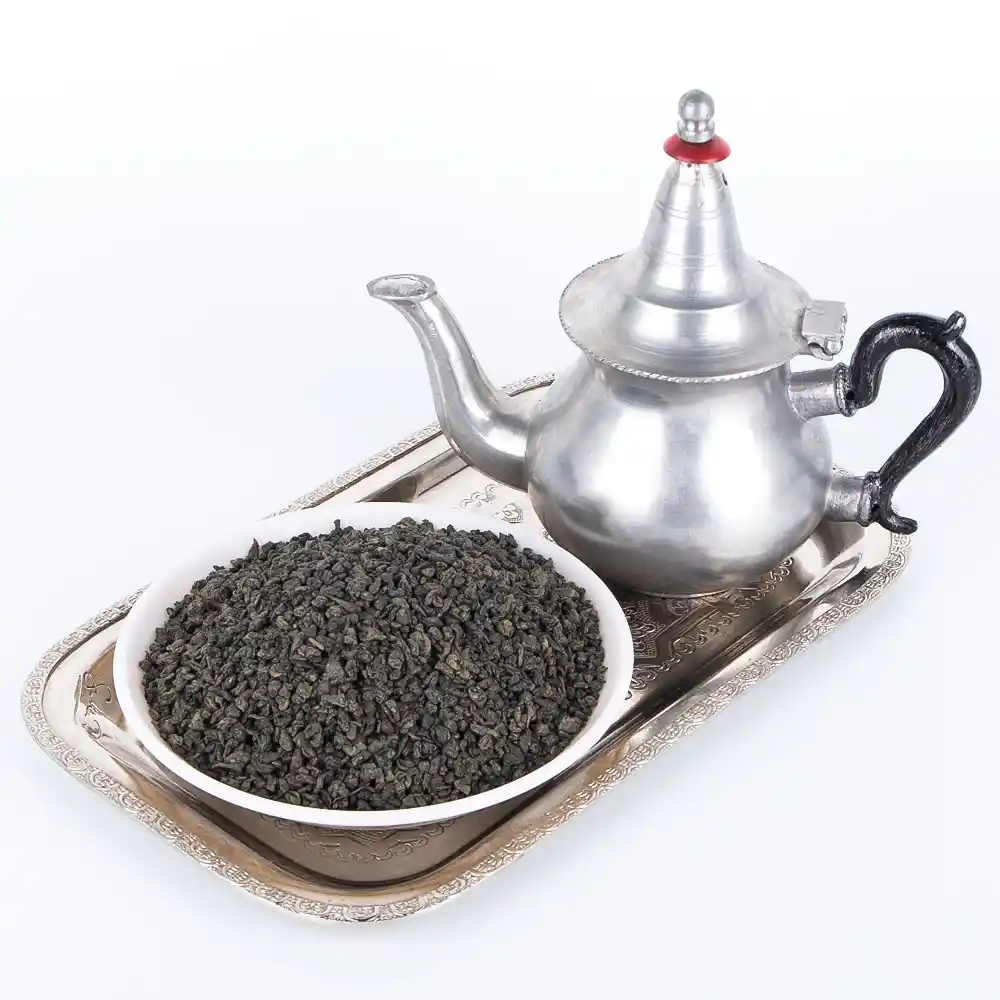
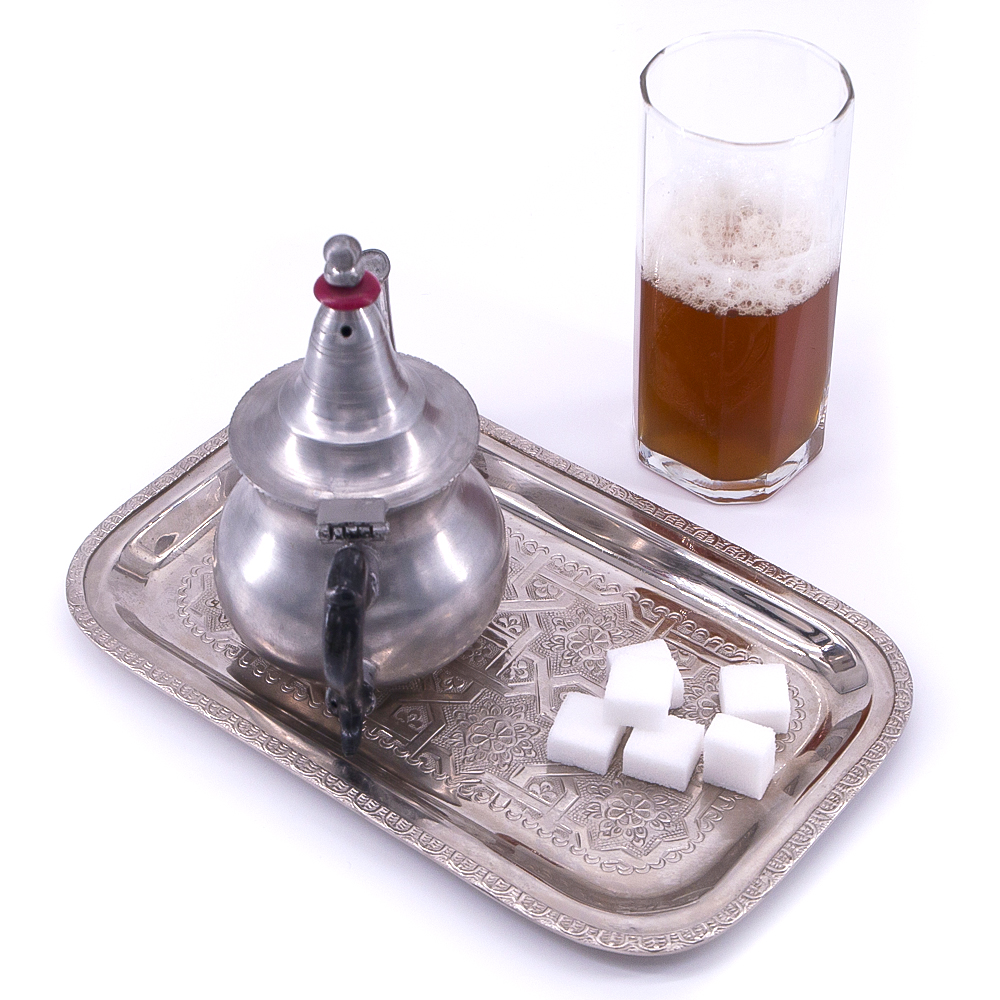
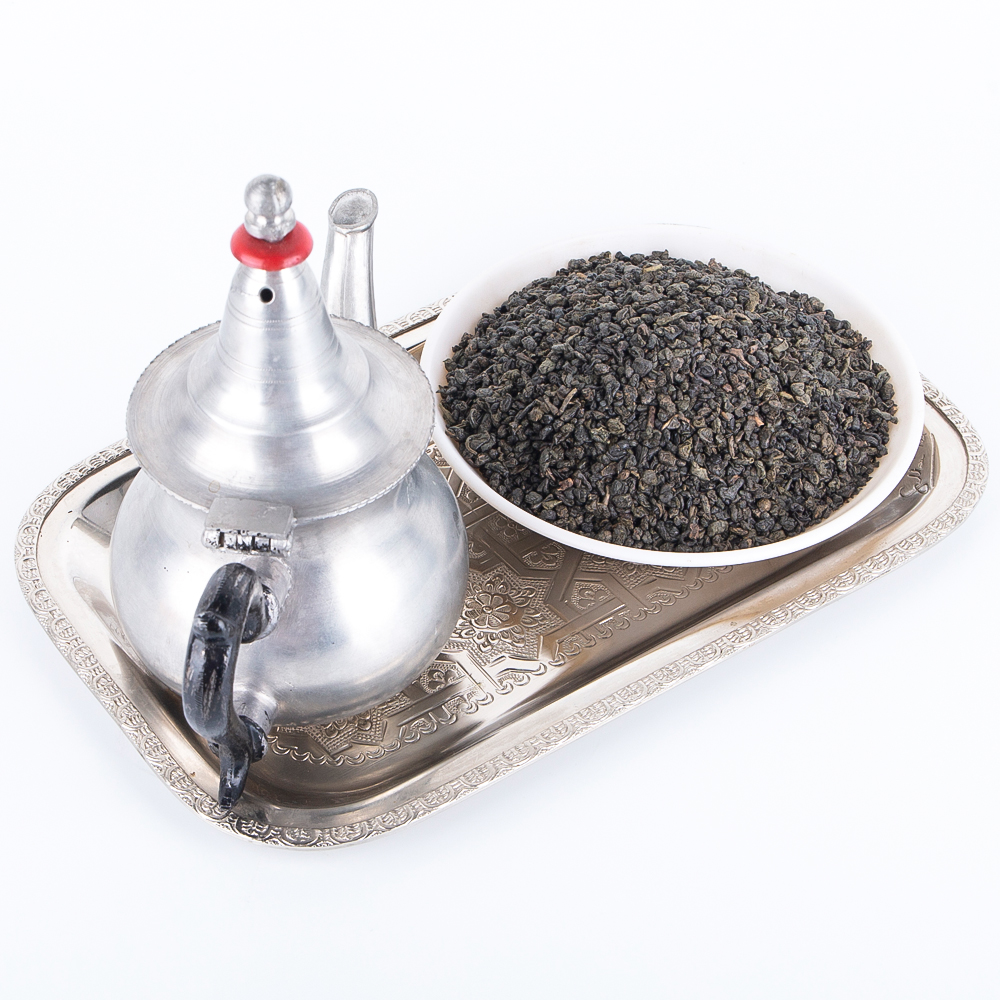
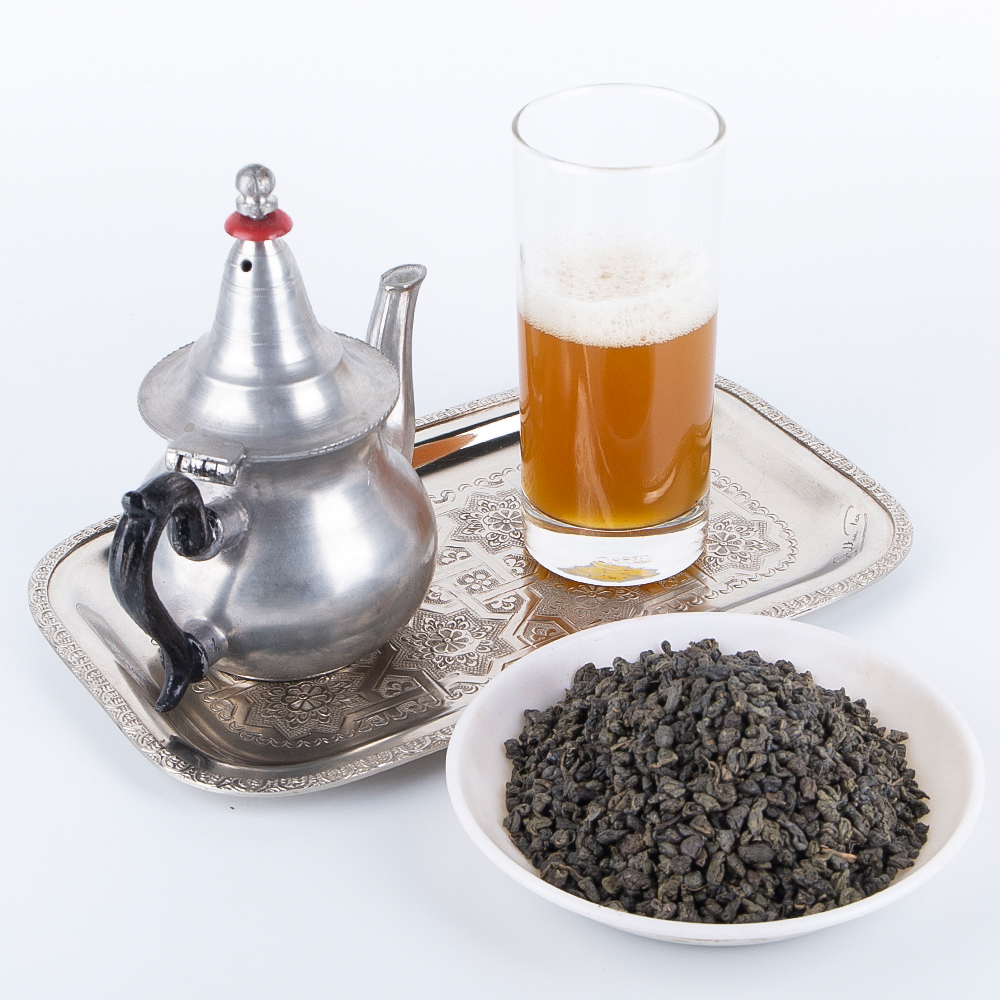
Every morning in Morocco, millions of people begin their day the same way: pouring boiling water over tightly rolled green pellets that unfurl into fragrant, amber-green liquor. These pellets are Gunpowder tea, and they represent one of the most remarkable success stories in global tea trade. For importers, wholesalers, and tea brands looking to build a reliable green tea supply chain, understanding Gunpowder tea is not optional — it is essential.
Gunpowder tea accounts for approximately 18% of China’s total green tea exports, with annual export volumes stabilizing around 35,000 tonnes. Zhejiang Province, particularly the cities of Shaoxing and Shengzhou, produces over 78% of the world’s Gunpowder tea supply. In 2025, Shengzhou alone processed and exported roughly 70,000 tonnes of tea, generating approximately 1.3 billion RMB in export value. These numbers are not accidents — they reflect a deeply entrenched production ecosystem that has made Chinese Gunpowder tea the default choice for importers across Africa, the Middle East, Central Asia, and Europe.
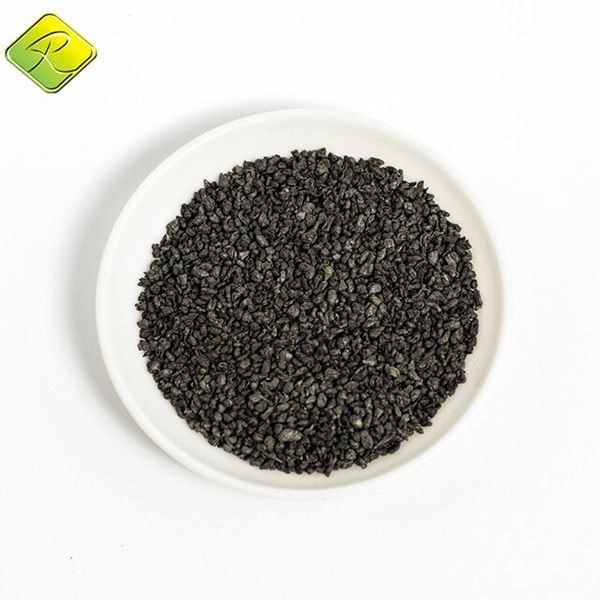
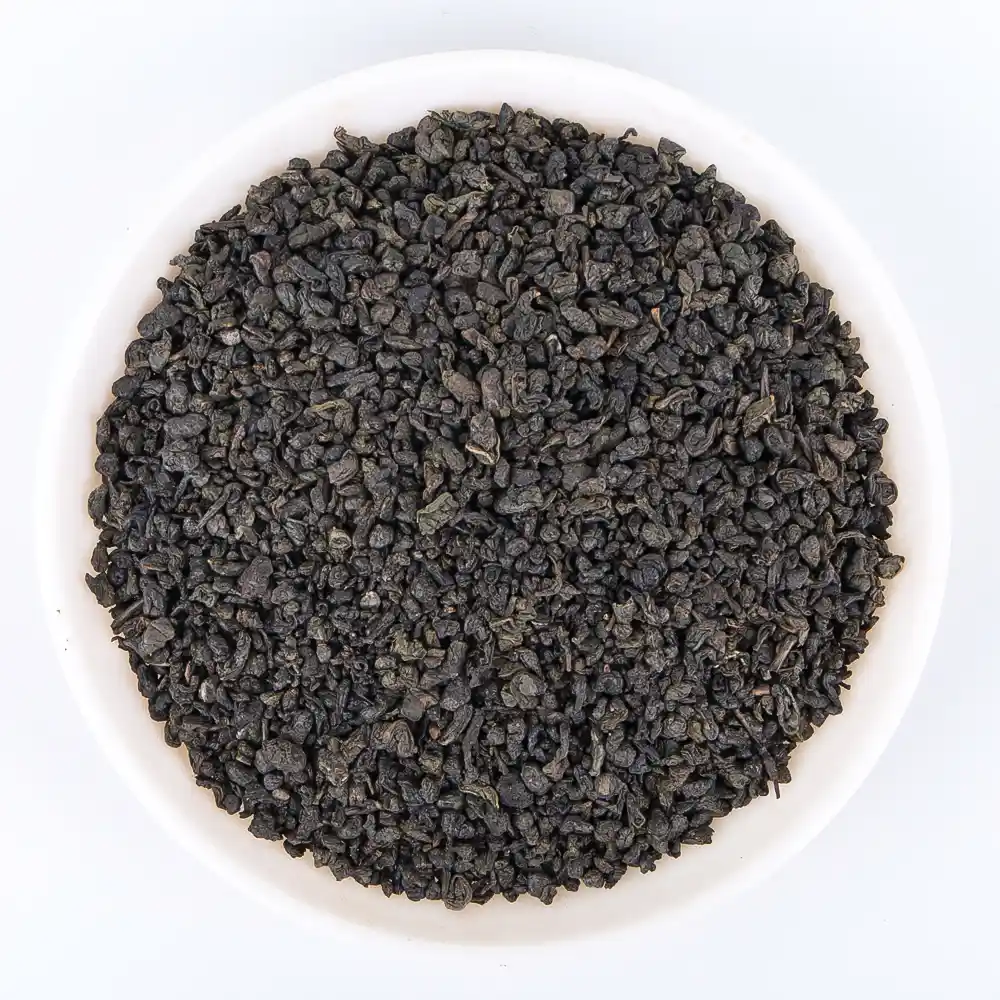
Gunpowder tea (珠茶, zhū chá, literally “pearl tea”) is a style of Chinese green tea characterized by its distinctive pellet shape. The name comes from the resemblance of the tightly rolled leaves to grains of gunpowder — a visual association that has stuck in Western markets since the 17th century, when Dutch and British traders first encountered the tea in Zhejiang’s ports.
The production process that creates this iconic shape is what sets Gunpowder tea apart from other green teas:
1. Withering — Freshly picked leaves (typically one bud and two or three leaves) are spread thin on bamboo trays to lose approximately 30% of their moisture content. This softens the leaf structure for rolling.
2. Fixation (Sha Qing / 杀青) — The withered leaves are pan-fired at 280-320°C in large rotating drums for 2-3 minutes. This critical step deactivates the polyphenol oxidase enzymes, halting oxidation and preserving the green color and fresh character. The high heat also develops the tea’s signature smoky-sweet undertone.
3. Rolling — This is where the magic happens. Unlike other green teas that are rolled by hand or machine into twisted strips (Chunmee) or flattened (Longjing), Gunpowder tea leaves are fed into specialized rotating barrel rollers that tumble them continuously for 40-60 minutes. The friction and pressure shape each leaf into a tight, round pellet while squeezing essential oils to the surface, which creates the characteristic glossy sheen.
4. Drying — The rolled pellets are dried in stages, first at medium heat (80-100°C) to remove surface moisture, then at higher heat (110-120°C) to achieve a final moisture content of 5-6%. This multi-stage drying locks in the shape and develops the toasty aroma profile.
5. Grading and Sorting — The dried pellets pass through a series of vibrating sieves with progressively finer mesh sizes. This mechanical sorting separates leaves by pellet size, uniformity, and density, producing distinct commercial grades.
The result is a tea that, unlike more delicate green teas, can withstand long-distance shipping, extended storage, and repeated brewing — qualities that have made it the backbone of the global bulk green tea trade.
Gunpowder Tea Grades: Understanding the Numbers
For importers, the grading system is the most important thing to understand. Gunpowder tea grades follow a numeric system where the numbers indicate pellet size, shape quality, and overall appearance — not necessarily flavor superiority.
| 9675 | Flat tea leaves with tea stems | West Africa, Central Asia, budget markets |
Key insight for importers: A smaller number (3505 series) indicates smaller, more uniform pellets — these command higher prices in markets where appearance matters (EU retail, Morocco, gift packaging). Larger numbers (9475, 9575) consumed a lot in Middle East and Central Asia markets. The “A” designation (A, AA, AAA) indicates increasing uniformity and visual quality within the same size category.
Health Benefits That Drive Consumer Demand
Gunpowder tea shares the full spectrum of health benefits associated with all high-quality green teas, but its production process gives it some unique advantages:
High Antioxidant Content: Gunpowder tea is rich in catechins, particularly epigallocatechin gallate (EGCG), which has been extensively studied for its anti-inflammatory, cardioprotective, and metabolic effects. The pan-firing process, because it applies heat rapidly and briefly, may preserve slightly higher catechin levels than steamed green teas according to some studies.
Metabolism and Weight Management: The combination of caffeine and catechins in Gunpowder tea has been shown to increase thermogenesis (the body’s rate of burning calories). A meta-analysis published in the *International Journal of Obesity* found that green tea catechins combined with caffeine produced a modest but statistically significant increase in energy expenditure and fat oxidation.
Digestive Health: The slight smokiness of Gunpowder tea, combined with its moderate astringency, makes it particularly popular as an after-meal beverage in North African and Middle Eastern cultures. The tannins can aid digestion by stimulating the production of digestive enzymes.
Cardiovascular Benefits: Regular green tea consumption is associated with reduced LDL cholesterol and improved arterial function. For markets where cardiovascular disease is a growing concern — including North Africa and the Middle East — this health positioning is a powerful marketing advantage.
Mental Alertness Without Jitters: With approximately 30-40mg of caffeine per cup (compared to 80-100mg in coffee), Gunpowder tea provides sustained mental clarity without the crash. The presence of L-theanine, an amino acid that promotes calm focus, moderates the stimulant effect.
How to Brew Gunpowder Tea Perfectly
The biggest mistake people make with Gunpowder tea is treating it like a delicate green tea. It is not delicate — it is robust, forgiving, and designed for multiple infusions.
Traditional Moroccan Method (for 3-4 servings):
1. Add 2 teaspoons (5-7g) of Gunpowder tea to a teapot
2. Pour in just enough boiling water (100°C) to cover the leaves — about 50ml
3. Swirl for 10 seconds, then discard this first water (this “washes” the tea and opens the pellets)
4. Add fresh boiling water (500ml), fresh mint leaves, and sugar to taste
5. Steep for 3-5 minutes
6. Pour from a height to create the signature foam (“crown”)
Standard Western Method:
1. Use 1 teaspoon (2-3g) per 200ml cup
2. Water temperature: 80-85°C (if using 100°C, reduce steep time to 2 minutes)
3. First infusion: 2-3 minutes
4. Second infusion: 3-4 minutes (the pellets will have fully opened)
5. Third infusion: 4-5 minutes
For Cold Brew:
1. Add 10g of Gunpowder tea to 1 liter of cold water
2. Refrigerate for 6-8 hours or overnight
3. Strain and serve — remarkably smooth with no bitterness
Global Market Landscape: Where Gunpowder Tea Flows
Understanding the demand geography of Gunpowder tea is crucial for importers planning their product portfolio:
Morocco: The World’s Largest Importer
Morocco imports approximately 60,000-90,000 tonnes of green tea annually, with the vast majority being Chinese Gunpowder tea of grades 3505. Tea is not just a beverage in Morocco — it is a cultural institution. Moroccan mint tea (*atay*) is served multiple times daily, in homes, shops, and during every social interaction. The market is price-sensitive but volume-stable, with demand that has proven remarkably resilient to economic fluctuations.
Other North and West African Markets:
– Algeria: Second-largest African importer, similar grade preferences to Morocco
– Mauritania: One of the highest per-capita tea consumption rates globally, three-round serving ceremony
European Union:
The EU market demands higher grades (3505 series) and increasingly requires certifications: organic (EU Organic), Rainforest Alliance, Fairtrade. Key importing countries include France, Belgium and Spain. EU buyers are less price-sensitive but more quality- and compliance-sensitive. The EU’s strict pesticide residue standards (testing for 480+ residues) mean that only professionally managed, export-oriented factories can reliably supply this market.
Central Asia:
Uzbekistan has emerged as a significant growth market, with direct rail connections from Yiwu facilitating efficient logistics. Central Asian consumers prefer medium-to-large grades (9501, 9475, 9575) and value tea size and color over delicate flavor profiles.
United States and Specialty Markets:
The US market for Gunpowder tea is small but growing, driven by specialty tea shops, wellness consumers, and Moroccan diaspora communities. This market demands organic certification, transparent sourcing stories, and smaller packaging formats (100g-500g retail units rather than bulk).
Why Source Gunpowder Tea Directly from Chinese Factories?
For importers, the traditional model of buying through intermediary traders adds cost layers that erode margins. Direct factory sourcing from Zhejiang’s core production zone offers several structural advantages:
Price Competitiveness: Factory-direct pricing typically saves 15-25% compared to multi-tiered trader networks. With average export prices ranging from $1.0-$5.0/kg for standard grades, every percentage point of margin matters at container-scale volumes.
Quality Consistency: When you buy from a single, well-managed factory, you get batch-to-batch consistency that intermediaries blending from multiple sources cannot guarantee. For brands building consumer trust, consistency is more valuable than the lowest possible price on any single shipment.
Traceability and Compliance: Direct relationships enable full supply chain transparency — critical for EU organic certification, corporate sustainability reporting, and emerging regulatory requirements like the EU Deforestation Regulation (EUDR). You can trace your tea to specific growing areas, harvest dates, and processing batches.
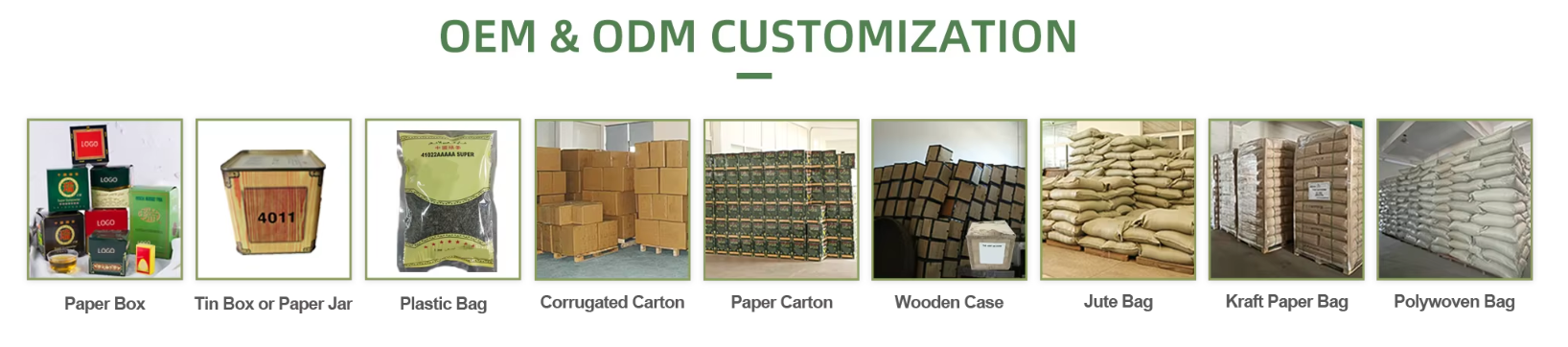
Customization: Direct factory relationships allow for custom grading (blending different screen sizes to match your market’s exact preference), custom packaging (from bulk sacks to branded retail units), and even private-label product development.
Stability of Supply: Zhejiang’s Gunpowder tea industry is not a cottage industry — it is a mature, industrialized sector with over 30 refined tea processing factories in Shengzhou alone, including 15 enterprises with independent import-export rights. This production depth ensures that even during challenging seasons, reliable suppliers can fulfill contracts.
Storage and Shelf Life:
One of Gunpowder tea’s commercial advantages is its relative stability compared to other green teas. The tight pellet structure provides some natural protection against oxidation:
– Optimal conditions: Cool (<20°C), dry (<60% humidity), away from direct light and strong odors
– Shelf life: 3-10 years from production date when properly stored
– Quality indicators: Fresh Gunpowder tea has a bright, slightly glossy appearance and a clean, toasty aroma. Fading color and flat or musty smell indicate age or poor storage
For tea importers and distributors, Gunpowder tea offers something rare in today’s volatile commodity markets: stable, predictable demand at scale. It may not command the premium prices of artisanal single-origin teas, but it offers volume, consistency, and a market that measures consumption in tonnes per day rather than grams per month.
The key to success is not finding the cheapest Gunpowder tea — it is matching the right grade to the right market, building a direct and transparent supply relationship, and positioning the product’s health and cultural credentials effectively for your target consumers.
Chunmee tea (眉茶, méi chá, literally “eyebrow tea”) derives its name from the distinctive curved, eyebrow-like shape of its processed leaves. Unlike the pellet shape of Gunpowder tea, Chunmee leaves are twisted into long, slender strips with a slight arch — a shape that Chinese tea masters have likened to the elegant eyebrows of a classical beauty.
The origin story of Chunmee tea stretches back to the Tang and Song dynasties (7th-13th centuries), when it was reportedly presented as tribute tea to the imperial court. However, its modern identity as an export product was forged in the 19th and 20th centuries, when European and Middle Eastern traders developed a strong preference for its balanced, slightly tart flavor profile — distinct enough to be interesting, but approachable enough for daily consumption.
In 2024, China exported 56,763 tonnes of tea in just the first two months of the year, with Chunmee tea accounting for a significant share alongside Gunpowder. What makes Chunmee so remarkable is not its price per kilogram — which typically falls in the $2.80-$4.50/kg range for standard export grades — but its extraordinary market stability. While other tea categories experience volatile demand shifts driven by trends and influencer culture, Chunmee tea is consumed daily by millions of people who view it as an essential household staple, not a luxury purchase.
For importers building a resilient tea portfolio, understanding Chunmee tea is as important as understanding Gunpowder — arguably more so, because Chunmee’s grading system is more nuanced, its quality indicators more subtle, and its market opportunities more diverse.
– Zhejiang Province: The dominant producing region, particularly Shaoxing, Chun’an, and the surrounding areas. Zhejiang Chunmee tea benefits from established export infrastructure, experienced processors, and proximity to major ports (Ningbo, Shanghai).
– Anhui Province: Huangshan and surrounding areas produce Chunmee with slightly different flavor characteristics — often described as more floral and less smoky than Zhejiang Chunmee tea.
– Jiangxi Province: Wuyuan and surrounding areas produce smaller volumes of high-quality Chunmee tea, often organic-certified.
Factory Selection Criteria:
1. Export License: Verify that the factory holds valid import-export rights and relevant certifications (HACCP, ISO 22000 for food safety).
2. Certifications: Depending on your market, you may need EU Organic, USDA Organic, Rainforest Alliance, Fairtrade, or other certifications. Verify certification scopes match your products.
3. Quality Control Infrastructure: Professional factories should have in-house testing labs for moisture content, pesticide residues, and microbiological testing.
4. Production Capacity: For container-scale orders (20+ tonnes), ensure the factory can fulfill within a single production batch for consistency
5. Sample History: Request samples from at least three different production batches — not just the best batch. Consistency across batches tells you more than perfection in a single sample.
Logistics Considerations:
– Sea freight: Standard 20-foot container holds approximately 10-12 tonnes of tea (depending on packaging density). Transit time to Casablanca: 45-60 days; to France: 30-55 days.
– Rail freight: Growing option for Central Asian destinations. Yiwu-Tashkent rail corridor: approximately 12-25 days.
– Packaging formats: Standard export packaging is 25kg-50kg kraft paper sacks with inner aluminum foil lining. Retail-ready packaging (tins, boxes) can be arranged at source for cost efficiency.
From Shennong tasting a hundred herbs to modern wellness lifestyles, green tea remains the most vibrant sensory symbol of Chinese civilization.
1. Shennong’s Discovery: The Origin Legend of Green Tea
In 2737 BCE, legend has it that the mythical emperor Shennong was boiling water outdoors when a few tea leaves drifted into his pot. After drinking, he felt instantly refreshed and clear-headed — thus tea entered the life of the Chinese people. While this millennia-old tale cannot be verified, it captures the essence of green tea’s first encounter with Chinese civilization with remarkable precision: natural, serendipitous, yet profoundly consequential.
Archaeological evidence pushes China’s tea history even further back. In 2016, tea specimens unearthed from the Han Yangling Mausoleum were dated to approximately 2,100 years ago — the oldest known physical tea remains in the world. Meanwhile, *The Classic of Tea* (Cha Jing), authored by Lu Yu in 760 CE during the Tang Dynasty, stands as the world’s first systematic treatise on tea, opening with the declaration: “Tea is the finest tree of the southern regions.”
2. From Medicine to Beverage: The Cultural Evolution of Green Tea
Han–Wei Period: Food as Medicine In its earliest use, green tea was not a beverage but a medicinal food. The Han Dynasty’s *Shennong Bencao Jing* (Divine Farmer’s Materia Medica) records: “Shennong tasted a hundred herbs, encountering seventy-two poisons in a single day, and was cured by tu.” Here “tu” is the ancient name for tea. At that time, people boiled tea leaves together with scallions, ginger, jujubes, and orange peel to create medicinal soups.
Tang Dynasty: The Art of Decoction
The Tang Dynasty marked the first golden age of green tea culture. Lu Yu’s *Classic of Tea* systematically documented every aspect of tea — cultivation, harvesting, processing, and appreciation — elevating tea from daily sustenance to a cultural ritual. The decoction method (*jiancha*) prevailed: tea cakes were ground into powder, boiled in water, and seasoned with salt. The emergence of Lu Yu as the “Sage of Tea” signaled the formal establishment of the Chinese tea ceremony (茶道, *cha dao*).
Song Dynasty: The Beauty of Whisked Tea
The Song Dynasty pushed green tea culture to its zenith. The whisked tea method (*diancha*) replaced decoction: tea powder was placed in a bowl, hot water was poured over it, and a bamboo whisk (*chaxian*) was used to beat the mixture into a fine, creamy foam. Tea competitions (*doucha*) flourished — from the imperial court to common households, people gathered around tea, making friends and discussing philosophy. Emperor Huizong personally authored the *Daguan Chalun* (Treatise on Tea), elevating the tea ceremony to the level of art and philosophy.
Ming–Qing Dynasties: The Simplicity of Steeping
In the Ming Dynasty, the Hongwu Emperor issued an edict to “abolish compressed tea in favor of loose leaf,” making the steeping method the mainstream. This reform returned green tea to its essence — simply placing leaves in a cup, pouring hot water over them, and savoring the pure, unadulterated flavor. This minimalist approach has endured to the present day, becoming the most familiar way people around the world enjoy green tea.
3. The Craftsmanship Code of Green Tea
The defining process of Chinese green tea is “fixation” (*shaqing*) — the application of high heat to deactivate enzymes in the leaves, preventing the oxidation of polyphenols and thereby preserving the tea’s natural green color and fresh aroma. Based on the fixation method, green tea falls into four main categories:
Type
Fixation Method
Representative Teas
Characteristics
Pan-fired (Chaoqing)
Wok pan-firing
West Lake Longjing, Biluochun
High fragrance, rich and mellow taste
Oven-dried (Hongqing)
Hot-air drying
Huangshan Maofeng, Taiping Houkui
Elegant fragrance, fresh and brisk taste
Sun-dried (Shaiqing)
Sunlight drying
Dianqing, Chuanqing
Natural flavor, post-fermentation potential
Steam-fixed (Zhengqing)
Steam fixation
Enshi Yulu
Vibrant green color, preserves original character
📘 Note: The steam-fixation method originated in the Tang Dynasty, was later transmitted to Japan, and evolved into matcha production. In China, it developed into renowned teas such as Enshi Yulu. This cross-border transmission illustrates the global influence of green tea culture.
4. A Tour of Famous Teas: Each Region, Its Own Character
West Lake Longjing (Hangzhou, Zhejiang) Renowned for four attributes: “green color, rich aroma, sweet taste, and elegant shape.” Produced in the hills surrounding West Lake in Hangzhou, with core growing areas including Shifeng, Longjing, Yunqi, Hupao, and Meijiawu. “Pre-Qingming Longjing” — harvested before the Qingming Festival — is the most prized; a single jin (500g) of dry tea requires approximately 40,000 tender buds.Biluochun (Suzhou, Jiangsu) Produced on Dongting Mountain by Taihu Lake, famed for “beautiful shape, vivid color, intense fragrance, and mellow taste.” The curled, snail-shaped leaves covered in silvery down release a long-lasting, refreshing aroma when steeped. It is celebrated for “three fresh qualities” — fresh color, fresh fragrance, and fresh taste.Huangshan Maofeng (Huangshan, Anhui) Produced in the Huangshan Scenic Area, the slightly curled leaves resemble finch tongues, blanketed in silvery down. When steeped, the liquor is clear and pale green with an orchid-like fragrance and a mellow, sweet taste. Premium-grade Maofeng is harvested around the Qingming Festival, using one bud with one leaf just beginning to unfurl for the finest quality.Xinyang Maojian (Xinyang, Henan) Characterized by “fine, round, smooth, straight leaves with abundant silvery tips, high fragrance, strong flavor, and green liquor.” Produced in the Dabie Mountain region, it won a gold medal at the 1915 Panama–Pacific International Exposition and is the most celebrated green tea of northern China.
5. Green Tea’s Global Journey
6. Green Tea Through the Lens of Modern Science
Modern scientific research has provided robust evidence for green tea’s health benefits:
7. The Art of Appreciation: How to Brew a Perfect Cup of Green Tea
Choosing the Vessel
A glass cup is ideal, allowing you to admire the leaves unfurling gracefully. A white porcelain gaiwan is a close second — it does not interfere with the tea’s aroma.
Selecting the Water
“Mountain spring water is best, river water is second, well water is worst.” — Lu Yu, *The Classic of Tea*. For modern brewing, use purified or mineral water, and avoid tap water, as chlorine can distort the tea’s flavor.
Controlling the Temperature
Green tea is delicate. The optimal water temperature is 80–85°C (176–185°F). Let freshly boiled water cool for about two minutes. Water that is too hot produces a bitter, astringent brew; water that is too cool fails to release the aroma.
Adding the Leaves
A tea-to-water ratio of approximately 1:50 is recommended — 3 grams of tea per 150 milliliters of water. Three methods apply:
Top-drop method** (water first, then tea): suitable for compact, tightly curled teas like Biluochun.
Mid-drop method** (half-fill with water, add tea, then top up): ideal for flat-shaped teas like Longjing.
– Bottom-drop method** (tea first, then water): best for loose, open-leaf teas like Maofeng.
Savoring the Brew
First inhale the fragrance, then observe the color, and finally taste the liquor. Green tea can generally be steeped three to four times, with each infusion steeping 10–15 seconds longer than the last. The first infusion reveals freshness, the second uncovers richness, and the third unveils sweetness.
From Shennong tasting a hundred herbs to molecular research in modern laboratories, from Lu Yu’s *Classic of Tea* to global trade networks, green tea remains China’s green ambassador in dialogue with the world. A single cup of green tea carries not only three millennia of cultural memory but also the Eastern wisdom of harmony between humanity and nature.
In our fast-paced modern lives, take a moment to slow down and brew yourself a cup of green tea. Watch the leaves gracefully unfurl in the water, like flowers blooming. Inhale the delicate fragrance as it rises, refreshing the spirit. Take a sip of that clear essence, and feel a thousand years of time flowing across your palate.
When sourcing gunpowder green tea from China, one of the most common questions importers ask is: What is the difference between Gunpowder Tea 3505 and 9375, and which one is better for my market?
In this guide, we will compare gunpowder tea 3505 vs 9375 in terms of appearance, taste, price, and market suitability—helping you make the right import decision.
Gunpowder Green Tea is a traditional China green tea known for its distinctive small, tightly rolled pellets that resemble gunpowder grains. The leaves are carefully rolled during processing, which helps preserve freshness and flavor for long-distance export. When brewed, the pellets slowly unfurl, releasing a bold, slightly smoky, and refreshing taste. Gunpowder tea has been exported from China for centuries and remains one of the most popular green teas in Africa, Europe, and Central Asia and Middle East especially for Moroccan mint tea. Due to its long shelf life and stable quality, gunpowder tea is widely used in bulk tea trading.
What Does “3505” and “9375” Mean in Gunpowder Tea?
The numbers 3505 and 9375 refer to different grading standards in gunpowder tea. While higher grades have smaller, more uniformly rolled pellets. In general, gunpowder tea 3505 has higher grade than 9375 which has standard commercial grade.
Gunpowder Tea 3505 vs 9375 – Key Differences
Feature
9375
3505
Leaf Size
Larger pellets
Smaller pellets
Appearance
Less uniform
More uniform
Tightness
Less tight
Very tightly rolled
Color
Light green
Dark green
Taste
Mild smooth
Strong
Aroma
Light
Rich mellow
Price
Lower
Higher
Market
Mass market
Premium market
Taste & Liquor Comparison
The taste profile is one of the biggest differences between 3505 and 9375.
Gunpowder Tea 3505
Strong and bold
Brisk taste with more bitterness
Rich aroma
Better for customers who prefer strong tea
Gunpowder Tea 9375
Mild and smooth
Slightly smoky
Less astringent
Suitable for daily consumption
Conclusion:
If your customers prefer strong and stimulating tea, 3505 is the better choice.
If they prefer smooth and affordable tea, 9375 works well.
Which One Is Better for Your Market?
Choosing between gunpowder tea 3505 vs 9375 depends on your target market.
▶ Africa Market
Clients in these area prefer strong taste so Gunpowder tea 3505 is more popular but like Morocco some customers also consume gunpowder tea 9375 since it is more cost effective.
▶ Europe Market
Clients in these area prefer clean appearance and they are sensitive to quality so we recommend Gunpowder tea 3505.
Price-sensitive Markets
Price plays a key role in bulk purchasing decisions.
Gunpowder Tea 3505
Higher price
Better margins in premium segments
Suitable for branded tea business
Gunpowder Tea 9375
Lower price
Ideal for high-volume import
Better for price-driven markets
Tip: Many importers combine both grades to balance cost and quality.
Packaging Options for Importers
25kg – 30kg bulk bags
Carton packaging
Private label (OEM)
Customized branding
Packaging can be adjusted based on your market requirements
How to Choose the Right Gunpowder Tea for Your Business?
Before placing an order, consider:
Your target market preference
Your budget and price positioning
Your customers’ taste expectations
Whether you sell bulk tea or branded products
If unsure, it is recommended to test samples of both 3505 and 9375.
Why Choose a Reliable China Gunpowder Tea Supplier?
Because gunpowder tea is native to Zhejiang Province, in the eastern coast of China. It is best to find the supplier who has 20+ years export experience and supply stable quality with direct factory price and OEM/ODM support .
FAQ:
Q1: What is the difference between 3505 and 9375 gunpowder tea?
The main difference is tea shape. 9375 has larger leaves and a milder taste, while 3505 is tighter, smaller, and stronger in flavor.
Q2:Which gunpowder tea is best for Africa?
Gunpowder tea 3505 is more popular in Africa.
Q3:Is 3505 better than 9375?
Not necessarily. 3505 is higher grade, but 9375 is more cost-effective for certain markets.
Q4: What is the price of gunpowder tea in bulk?
Prices vary depending on grade, quantity, and packaging. Contact suppliers for the latest quotation.
Q5: Can I customize packaging?
Yes, most manufacturers offer OEM and private label packaging services.
Thanks for your time! Here are links that you can get into Product Page :
Green tea has many varieties, but Chun Mee green tea is one of the most widely consumed in the world—especially across Africa, Europe, and Central Asia. Known for its slightly curved “eyebrow-shaped” leaves, Chun Mee tea delivers a refreshing taste and a wide range of health benefits.
But beyond its flavor and popularity, many people ask:
Is Chunmee tea healthy?
What benefits does Chunmee green tea actually provide?
Is it different from other green teas?
This guide answers those questions clearly and simply. By the end, you’ll understand exactly why Chunmee green tea has been valued for centuries.
Feature
Description
Tea Type
China Green Tea
Leaf Shape
Curved, eyebrow-shaped leaves
Origin
China
Popular Markets
Africa, Europe, Central Asia
Brewing Color
Light yellow green to red brown after boiling with sugar
8 Proven Benefits of Chunmee Green Tea
1. Rich in Antioxidants
One of the biggest reasons people drink Chunmee tea is its high antioxidant content. Green tea contains natural compounds called polyphenols, particularly catechins, which help protect the body from oxidative stress. Oxidative stress can contribute to: Aging, Hear disease, Inflammation and Cell damage. Drinking antioxidant-rich tea like Chun mee may help the body neutralize harmful free radicals.
Key antioxidants in Chunmee tea:
Antioxidant
Benefit
Catechins
Protect cells from damage
EGCG
Supports metabolism and heart health
Flavonoids
Help reduce inflammation
2. Supports Heart Health
Regular green tea drinkers often show lower risk of cardiovascular disease. Chun mee green tea may support heart health by helping to: improve blood circulation, lower LDL (“bad”) cholesterol, support healthy blood pressure. Studies suggest that green tea compounds can help reduce plaque buildup in arteries, which may contribute to long-term heart health.
3. Helps Boost Metabolism
Chun mee green tea contains a natural combination of: Caffeine and Catechins. Together, these compounds may help support metabolism and fat oxidation. This is one reason green tea is often included in healthy lifestyle and weight management routines. owever, it’s important to remember: Green tea is not a miracle weight-loss drink—it works best when combined with a healthy diet and regular exercise.
4. Improves Mental Focus
Chunmee tea provides a gentle caffeine boost, making it a great alternative to coffee. Unlike coffee, green tea also contains L-theanine, an amino acid that helps promote calm focus.
Benefits for the brain
Compound
Effect
Caffeine
Increased alertness
L-theanine
Relaxed concentration
Catechins
Neuroprotective support
The combination can produce steady energy without the strong caffeine crash
5. Supports Digestive Health
In many cultures, green tea is consumed after meals. Chun mee tea may help: aid digestion, reduce bloating and support gut health. Its mild astringency can help balance rich or oily foods. This is one reason Chunmee tea is commonly served with traditional meals in many countries.
6. Helps Support the Immune System
Green tea contains natural antibacterial and antiviral compounds. Regular consumption may help the body: Strengthen immune defense, Reduce inflammation and Fight harmful microbes. The antioxidants in Chun mee tea may also support the body’s natural healing processes.
7. May Help Maintain Healthy Skin
The antioxidants in green tea may also benefit the skin. Potential skin-related benefits include:
Protecting skin cells from environmental damage
Supporting natural collagen production
Reducing inflammation
Some skincare products even use green tea extract for these reasons.
8. A Natural Low-Calorie Healthy Beverage
One of the simplest benefits is also one of the most important: Chunmee green tea contains almost zero calories. Replacing sugary drinks with green tea can help reduce:
Sugar intake
Empty calories
Artificial additives
A daily cup of Chun mee tea is therefore a simple step toward healthier hydration.
What Makes Chunmee Tea Different From Other Green Teas?
Chunmee tea sits between delicate and strong, which makes it appealing to many tea drinkers worldwide
Tea Type
Flavor
Leaf Shape
Strength
Chunmee tea
Slightly fresh mellow
Curved eyebrow shape
Medium
Gunpowder tea
Bold, smoky
Rolled pellets
Strong
Longjing (Dragon Well)
Smooth, chestnut
Flat leaves
Mild
Chunmee green tea is more than just a traditional Chinese beverage—it is a nutritious, refreshing drink enjoyed worldwide. Its benefits include:
Powerful antioxidants
Heart health support
Improved focus
Metabolism support
Digestive benefits
Combined with its smooth taste and simple brewing process, Chun mee tea remains one of the most accessible and enjoyable green teas available today. For anyone looking to add a healthy daily beverage to their routine, Chun mee green tea is a timeless choice.
Gunpowder Green Tea is one of the most widely exported Chinese green teas in the world. Known for its tight pearl-shaped leaves and strong flavor, this tea is especially popular in Africa, Europe, and Central Asia where it is often consumed daily or used for Moroccan mint tea.
Beyond its distinctive taste and appearance, Gunpowder Green Tea offers many health benefits, thanks to its high concentration of antioxidants, catechins, and natural nutrients.
For tea importers, wholesalers, and consumers, understanding these benefits helps explain why Gunpowder tea continues to dominate the global green tea trade.
Gunpowder Green Tea is a traditional Chinese green tea where each leaf is carefully rolled into small round pellets resembling gunpowder grains, which is how the tea got its name.
This rolling process helps:
Preserve freshness
Protect flavor during long-distance export
Maintain quality during storage
When brewed, the pellets slowly unfold, releasing a bold, slightly smoky, and refreshing taste.
Major exporting grades include:
Grade
Description
Popular Markets
Gunpowder 3505
Premium export grade
Africa, Europe, Central Asia
Gunpowder 9375
Small pellets, strong flavor
Morocco, France, Uzbekistan
Gunpowder 9475
Large pellets, mild taste
Central Asia
Gunpowder 9501
Medium grade, balanced taste
Central Asia
Top Health Benefits of Gunpowder Green Tea
1. Rich in Antioxidants
Gunpowder tea contains high levels of catechins and polyphenols, powerful antioxidants that help protect the body from free radicals.
Potential benefits include:
Slowing aging processes
Supporting immune health
Reducing inflammation
2. Supports Heart Health
Studies suggest that regular green tea consumption may help:
Lower LDL cholesterol
Improve blood circulation
Support healthy blood pressure
This is one reason why green tea is commonly consumed daily in many cultures.
3. Helps Boost Metabolism
Green tea naturally contains caffeine and catechins, which can support metabolism and fat oxidation.
Benefits include:
Increased energy levels
Support for weight management
Improved fat metabolism
4. Enhances Mental Focus
The combination of moderate caffeine and L-theanine helps improve concentration without the jittery effect often associated with coffee.
Many people drink Gunpowder tea:
In the morning
During work hours
After meals
5. Supports Digestive Health
In many African and Middle Eastern countries, green tea is consumed after meals to aid digestion.
Gunpowder tea may help:
Improve digestion
Reduce bloating
Refresh the palate after heavy meals
Nutritional Components of Gunpowder Green Tea
Component
Function
Health Value
Catechins
Antioxidants
Protect cells
Polyphenols
Anti-inflammatory
Support immune system
L-Theanine
Amino acid
Promotes calm focus
Caffeine
Natural stimulant
Boosts alertness
Vitamins (B, C)
Nutritional support
Supports metabolism
Why Gunpowder Tea is Popular in Africa, Europe, and Central Asia?
Several factors explain the strong demand in these regions:
Strong Flavor
Gunpowder tea has a bold and slightly smoky taste, ideal for blending with mint or sugar.
Long Shelf Life
The tightly rolled leaves protect aroma and freshness, making it suitable for export.
Cost-Effective
Compared with many specialty teas, Gunpowder tea offers excellent value for large-scale consumption.
Perfect for Mint Tea
In Morocco and North Africa, Gunpowder tea is the traditional base for mint tea.